




Vintage Oval Plant Stand
These vintage oval plant stand selections offer compact wooden staging for greenery, bringing period character and practical display space into a room.

Vintage Oval Plant Stand
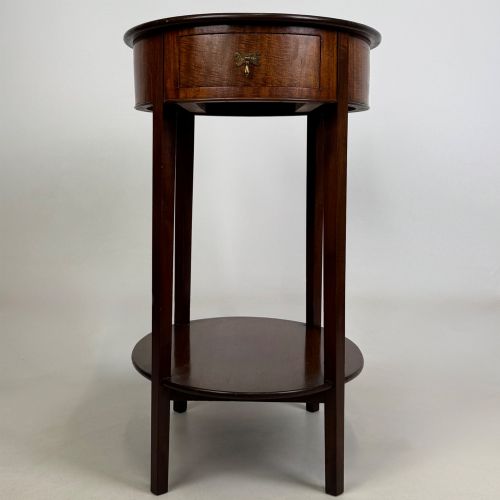
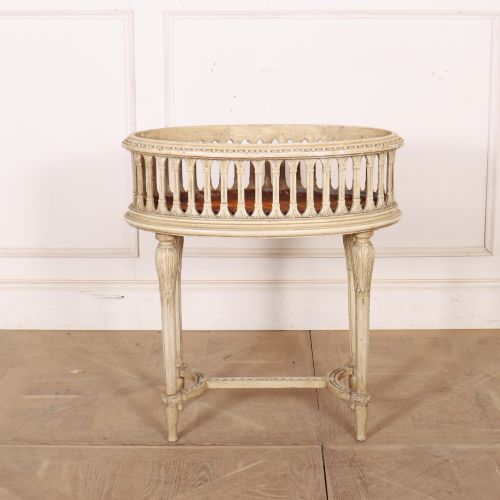
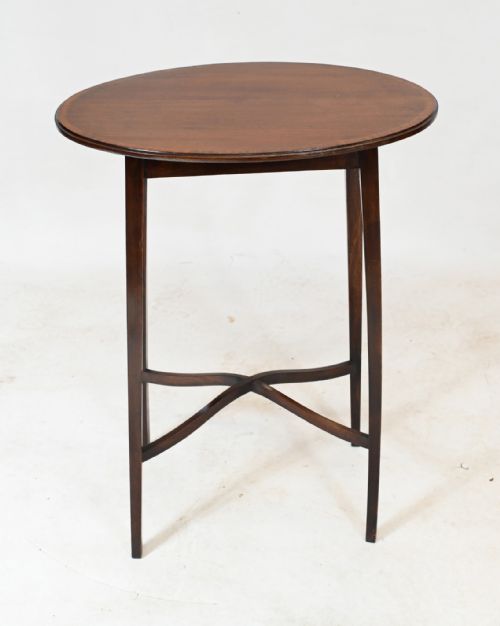
A vintage oval plant stand takes several forms across the Edwardian and nineteenth-century periods, often appearing as side tables, occasional tables, or dedicated jardiniere holders. These items serve primarily to elevate flora and decorative objects within domestic interiors.
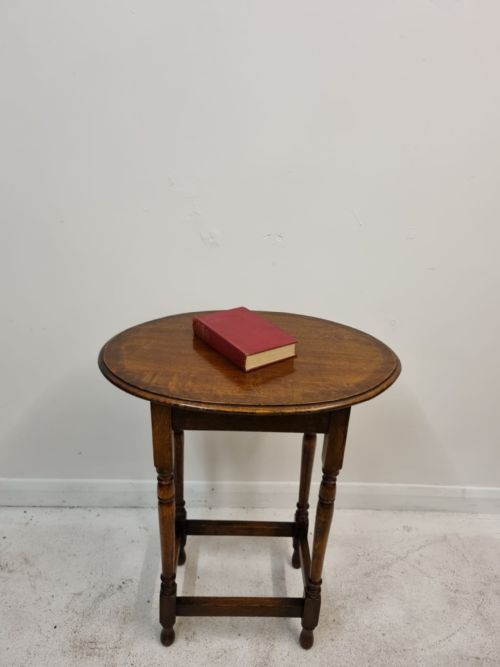
The pieces listed on this page span the late nineteenth century through to the 1920s, capturing stylistic revivals including Jacobean, Sheraton, and French Chateau designs. Buyers most frequently encounter Edwardian mahogany and oak examples featuring compact oval tops.
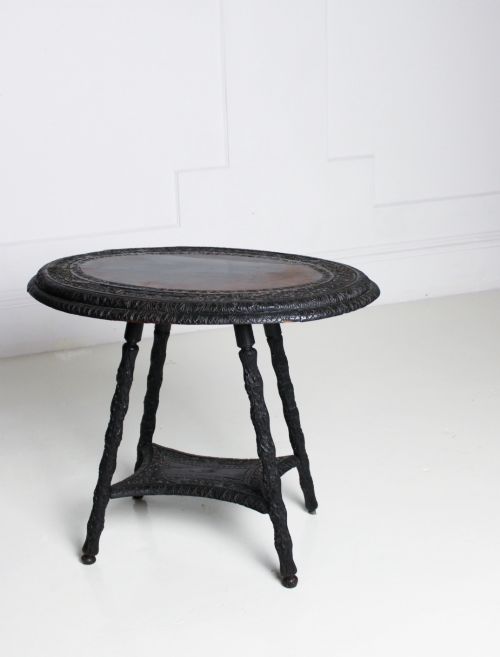
Makers utilised diverse regional influences, ranging from Anglo-Indian craftsmanship to classic European styling. Each item provides a functional surface suited for corners or narrower spaces where round tables prove less adaptable.
How they were made
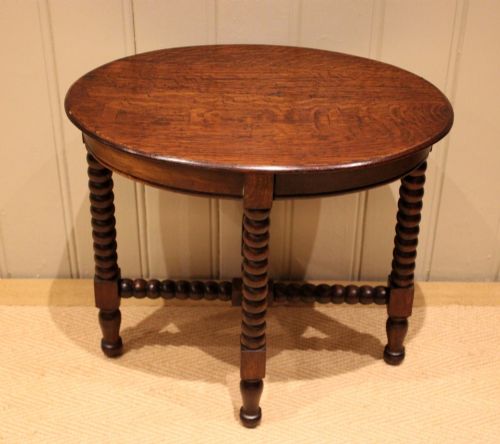
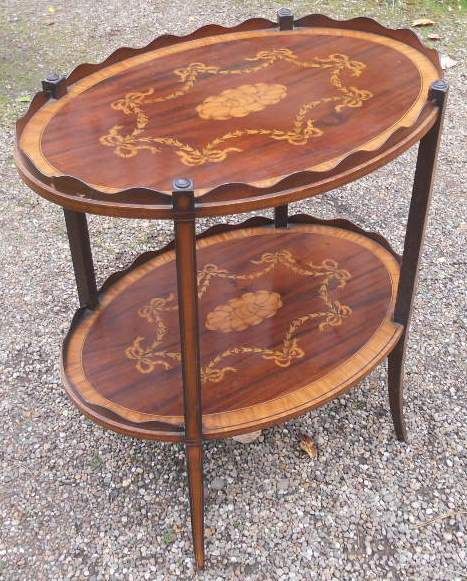
Constructed predominantly from timbers such as mahogany, oak, satinwood, and rosewood, these stands rely on solid woods and veneers shaped with traditional joinery. Artisans frequently incorporated contrasting inlay work and turned supports, including barley twist legs, to enhance the visual texture of the wood.
Certain interpretations integrate metal elements, utilising brass fittings or marble tops to provide durable surfaces for damp pots and jardiniere displays. Painted finishes also appear, demonstrating surface decoration alongside polished timber grains.
Current listings demonstrate a strong representation of Edwardian craftsmanship, utilising mahogany, oak, and satinwood in various occasional table forms.
What varies in quality
The refinement of timber selection and the precision of inlay determine the distinction between standard items and superior examples. Finer pieces exhibit carefully matched wood grains and crisp, hand-cut decorative details upon the oval tops.
Structural integrity depends on the stability of the joints and the original balance of the legs, particularly on slender occasional tables designed to support weight. The sophistication of the period style, from simple Edwardian utilitarian forms to elaborate Sheraton Revival ornamentation, dictates the overall character.
The Vintage Oval Plant Stand Glossary
- Jardiniere
- An ornamental pot or stand designed specifically to hold plants or flowers. These items often feature waterproof inserts or durable surfaces like marble to protect the underlying wood.
- Barley twist
- A type of turning shaped to resemble a spiralling twist of barley. This decorative technique appears frequently on the wooden legs of Edwardian tables.
- Inlay
- A method of ornamenting a wooden surface by inserting pieces of contrasting materials such as satinwood or lighter timbers into recesses. It creates flat, decorative patterns across the top of the table.
- Occasional table
- A small, light table designed to be moved easily around a room as needed. These versatile pieces function as plant stands, lamp tables, or general display surfaces.
Vintage Oval Plant Stand: Frequently Asked Questions
What is an oval plant stand used for?
These stands provide an elevated platform for displaying potted plants, flowers, and decorative items inside the home. Their curved shape allows them to fit neatly into corners or smaller areas.
Beyond holding greenery, many of these pieces function effectively as small side tables or lamp tables for daily use.
How do I identify an Edwardian plant stand?
Edwardian pieces typically date from the late nineteenth century up to the First World War, showcasing lighter timbers like mahogany and satinwood. They often feature delicate inlay work and understated classical proportions.
Common markers include turned wooden legs, oval tops, and a focus on domestic utility combined with refined decorative styling.
Are these stands strong enough for heavy pots?
Most of these occasional tables and plant stands are built from sturdy hardwoods like oak and mahogany to support typical household plants. Pieces featuring marble tops or solid turned legs offer particular stability for heavier displays.
It remains sensible to check the overall leg joints and structural balance before placing substantial or damp ceramic pots on any antique surface.
Where should I place a vintage oval table?
The compact oval footprint makes these stands ideal for placement beside seating, in hallways, or tucked into unused room corners. They bring vertical interest to empty wall spaces when topped with trailing foliage.
Keeping them away from direct heat sources and strong sunlight helps protect the polished timber and historical finishes.