
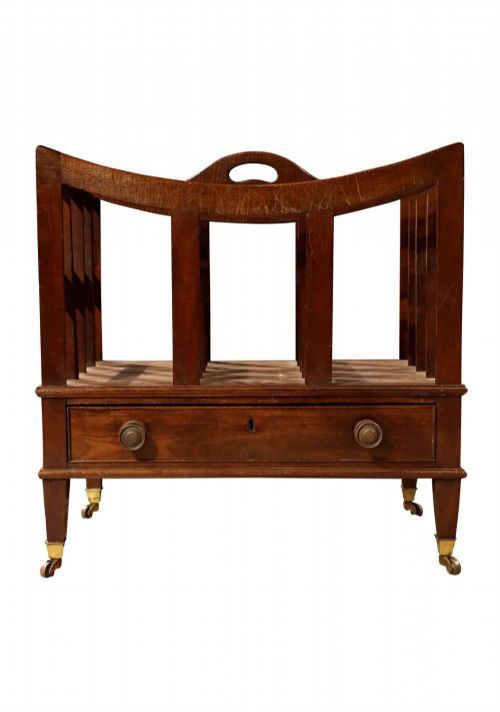


Edwardian Sheet Music Holder
An edwardian sheet music holder is a practical piece of parlour furniture designed to keep folios tidy, and collectors prize them for their timber grain and clever compartment divisions.
Edwardian Sheet Music Holder
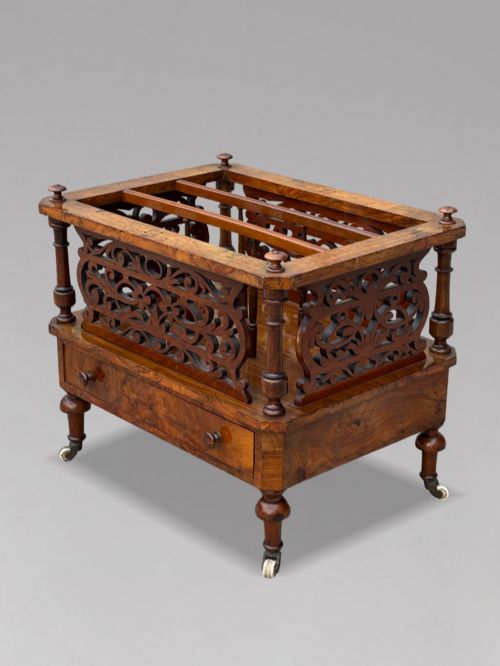
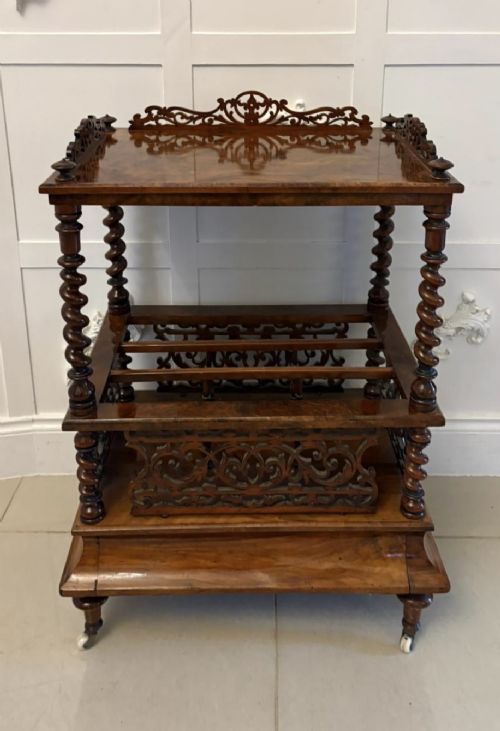
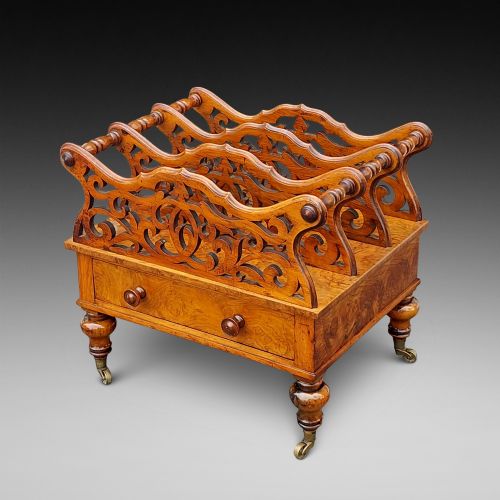
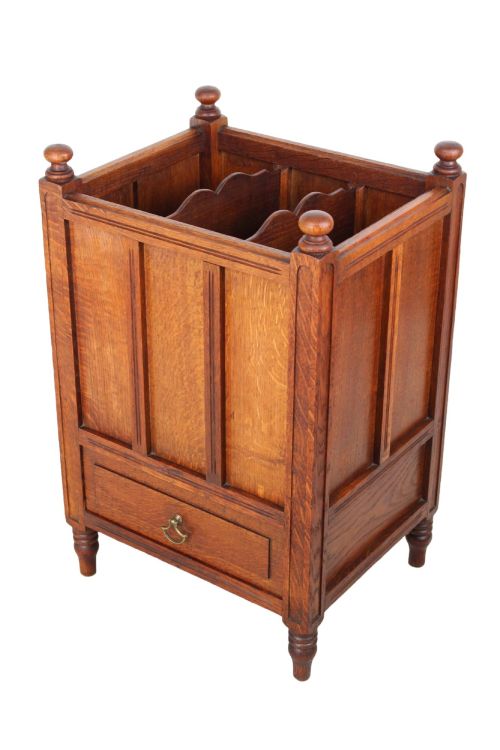
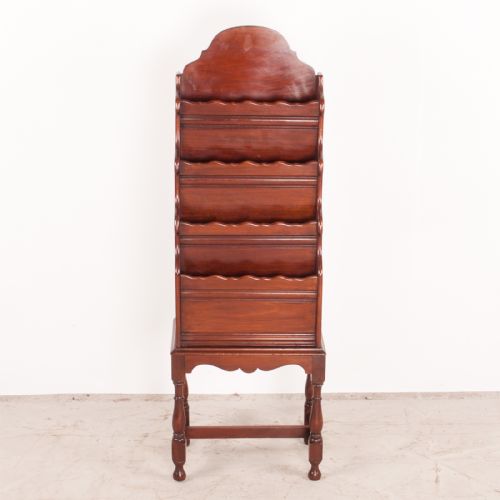
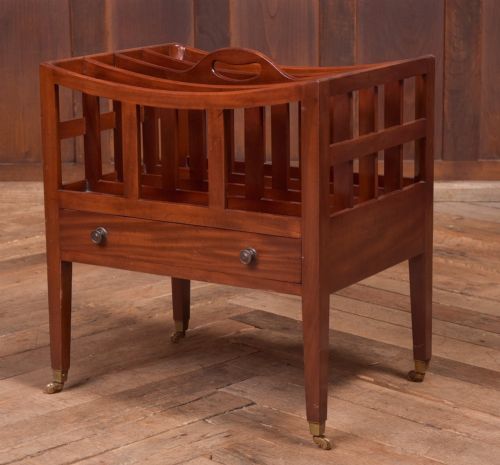
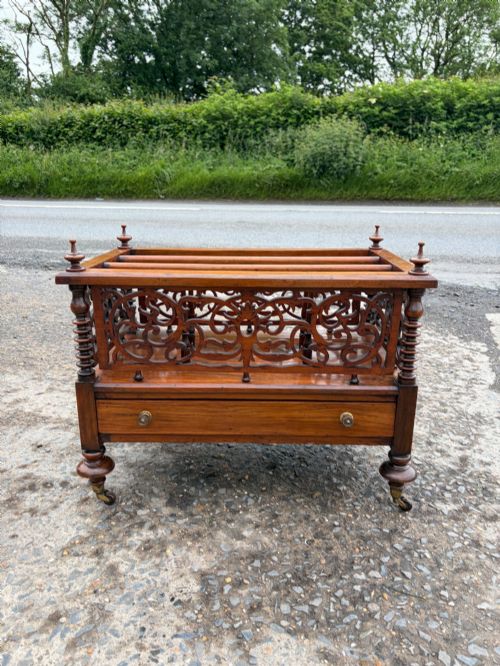
An edwardian sheet music holder encompasses versatile items such as canterburys, music cabinets and magazine racks designed for domestic musical entertainments. These pieces provide upright dividers or deep drawers specifically scaled for bound scores and unbound folios.
The form bridges utilitarian storage and elegant parlour display, frequently incorporating castors for easy movement across carpets. Buyers acquire them to serve as practical side tables or magazine repositories in modern living spaces.
How they were made
Cabinet makers utilised dense hardwoods such as mahogany, walnut and burr walnut, frequently enhancing surfaces with marquetry inlay or contrasting stringing. These timbers provided the structural strength required for upright slatted dividers and hinged or sliding cabinet doors.
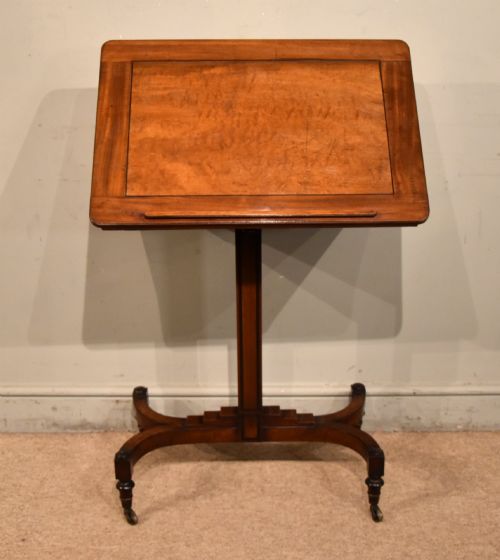
Metal components played a functional role, with brass castors fitted to turned legs and adjustable ratchets engineered into reading stands. Joinery relied on traditional housing and dovetail methods to secure partitions and drawers against the weight of heavy paper collections.
Bamboo makes an unexpected appearance as a structural frame material, bringing a breezy conservatory aesthetic to the traditional sheet music holder.
What varies in quality
The distinction between standard utility items and finer examples rests on the selection of timber veneers, such as figured burr walnut or rich rosewood, and the crispness of inlaid marquetry details. Superior pieces display thoughtful proportions, such as well-balanced turned legs and integrated drawers with finely cut dovetails.
Structural integrity also separates the grades, evidenced by the sturdiness of slatted vertical dividers and the smooth operation of brass castors or adjustable music stand mechanisms. Examples featuring secondary woods of high quality and meticulous internal lining represent the upper tier of craftsmanship.
Howard and Sons of London
The Edwardian Sheet Music Holder Glossary
- Marquetry
- Decorative veneer work forming pictures or geometric patterns by fitting together small pieces of various woods. It appears on the top panels and drop fronts of finer Edwardian cabinets.
- Lyre-shaped
- A decorative scrollwork motif resembling a small ancient stringed instrument, commonly utilised as the central support or side profile on music stands.
- Ebonised
- Timber treated with a dark stain or finish to imitate ebony. This technique was popular for achieving a formal, contrasting aesthetic on Victorian and Edwardian frames.
- Castors
- Small wheel attachments fixed to the base of legs to allow effortless repositioning. They are typically cast in brass on nineteenth-century tables and stands.
Edwardian Sheet Music Holder: Frequently Asked Questions
What is a canterbury used for?
A canterbury served as a dedicated piece of furniture for organising sheet music, folios and periodicals near a piano or in a drawing room. The vertical slats kept soft-covered scores upright and accessible during musical evenings.
Over time, owners adapted them to hold general reading materials, and today they function well as compact magazine racks beside armchairs.
How do I distinguish Edwardian from Victorian music holders?
Victorian pieces tend to feature heavy burr walnut veneers, rich rosewood, and elaborate marquetry inlay with substantial proportions. They often emphasise dark, dense timber and ornate turned supports.
Edwardian examples generally appear lighter in build, frequently utilising mahogany with refined stringing or subtle inlaid motifs. The overall design language shifts toward brighter tones and simpler geometric lines.
Can adjustable music stands still be adjusted?
Most surviving adjustable stands retain their original brass ratchets and screw mechanisms, allowing the reading desk to tilt or alter in height. Gentle handling ensures these historic metal fittings continue to function properly.
It is advisable to support the weight of the desk by hand while operating the adjustment mechanism to prevent undue strain on the pivots.
How do I clean a walnut music cabinet?
Dust the exterior regularly with a soft, dry cloth to prevent grit accumulation on the polished veneer surfaces. Avoid modern silicone sprays, which can penetrate old finishes and attract further dust.
Occasional application of microcrystalline wax helps protect the timber grain and maintains a soft sheen without building up heavy residue.