


Edwardian Sheet Music Drawers
Edwardian sheet music drawers offer practical storage for papers while bringing period woodwork and brass detail into a room.
Edwardian Sheet Music Drawers
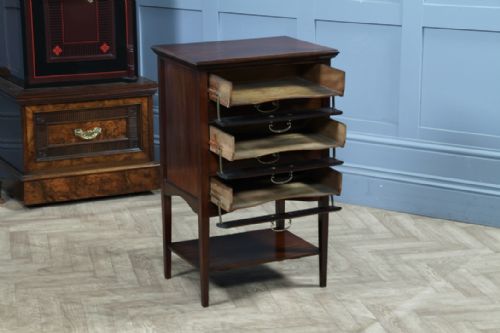
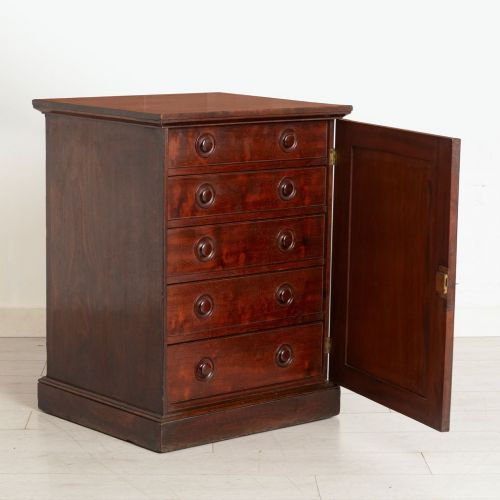
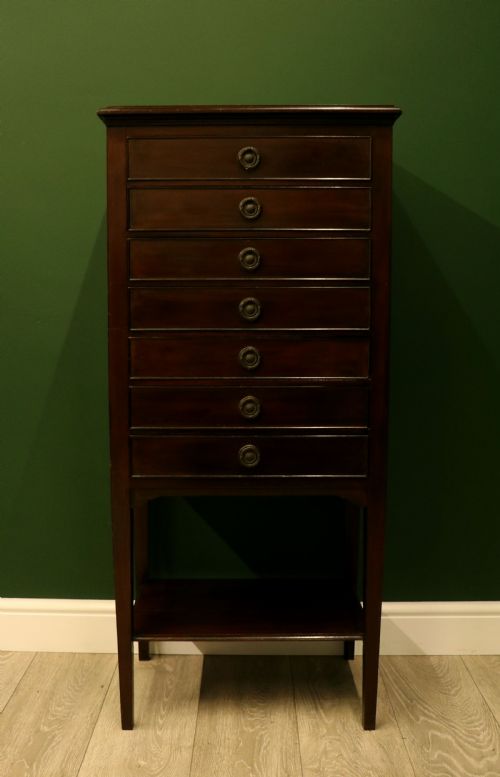
Edwardian sheet music drawers form a distinct group of compact storage furniture designed to hold manuscripts and folios. When you search for edwardian sheet music drawers, you encounter specialised cabinets featuring drop-front drawers or multiple shallow tiers constructed specifically for paper filing. These pieces appear across periods from the Victorian era through the Edwardian years and into the early twentieth century.
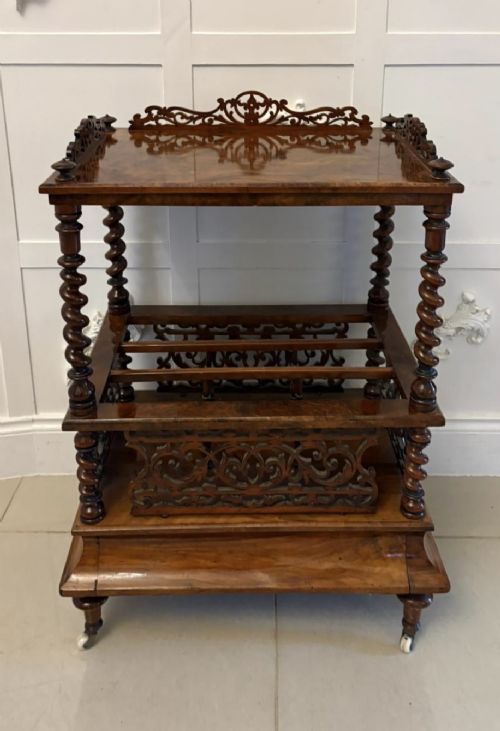
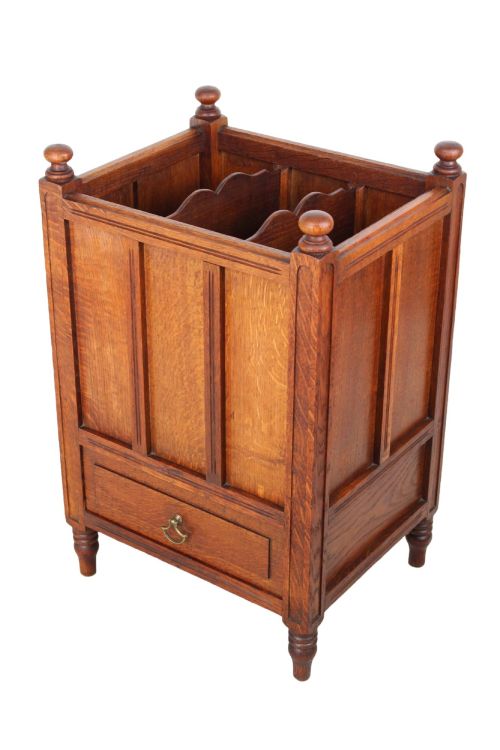
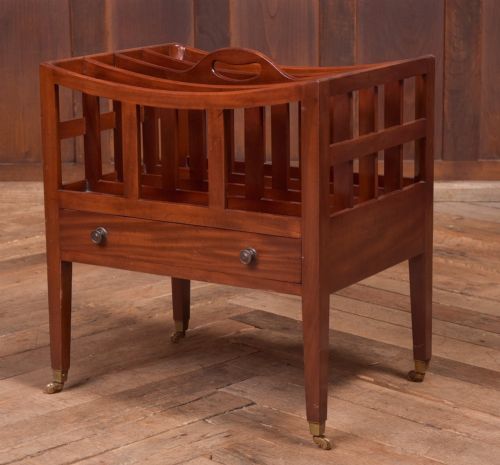
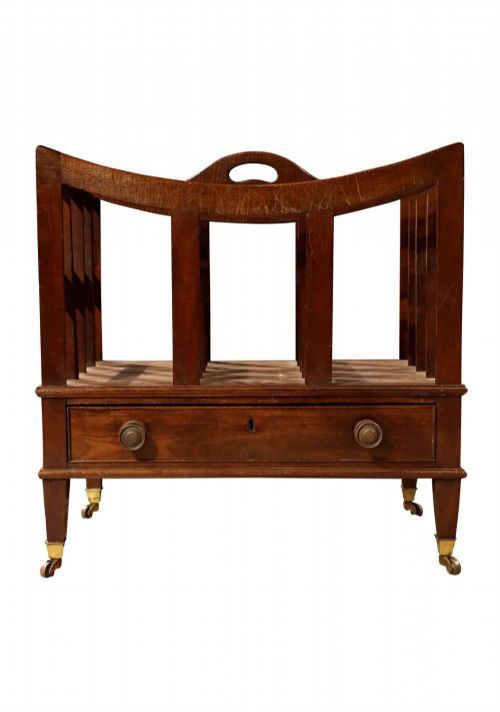
The pieces on this page mostly take the form of upright music cabinets and specialised chests alongside related canterburys and magazine racks. Mahogany serves as the primary timber, often enhanced with satinwood inlay or boxwood stringing, while walnut and rosewood appear in earlier examples. Interiors frequently incorporate drop-front mechanisms designed to keep sheet music flat and accessible without creasing fragile edges.
How they were made
Cabinet makers constructed these pieces predominantly using solid mahogany and mahogany veneers applied to secondary woods. Inlaid examples display contrasting boxwood and satinwood stringing, creating fine geometric borders and floral motifs typical of the period. Brass hardware, including drop handles, escutcheons, and small castors, provides functional contrast to the dark timber.
The internal mechanics rely on specialised drop-front drawer designs that tilt downward when opened to reveal the contents. Joints utilise traditional dovetailing on the drawer boxes to withstand the weight of paper collections. Polishing was traditionally finished with shellac French polish to bring out the grain of the wood.
Victorian and Edwardian musicians evidently generated enough loose sheet music to keep generations of cabinet makers busy inventing ingenious drop-front hinges.
What varies in quality
Quality in these cabinets depends on the selection of timber figures and the precision of the marquetry inlay. Superior pieces exhibit well-matched mahogany grains and crisp, hand-cut boxwood or satinwood stringing rather than printed or painted substitutes. The complexity of the drawer mechanism also indicates grade, with multi-tier drop-front systems showing greater joinery skill.
Hardware integrity and structural proportion separate standard utility pieces from finer examples. Original brass handles, matching castors, and intact interior dividers contribute to a higher standard of manufacture. The execution of stylistic flourishes, such as subtle Art Nouveau curves or Arts and Crafts framing, dictates the refinement of the finished cabinet.
Howard and Sons of London
The Edwardian Sheet Music Drawers Glossary
- Drop-front
- A drawer or compartment front that hinges downward when opened to provide flat access to the interior papers. This mechanism prevents sheet music from curling.
- Canterbury
- A low stand featuring vertical divisions, originally designed to hold sheet music or folios beneath a small table surface. These often include a single lower drawer.
- Inlay
- A decorative technique where contrasting woods like satinwood or boxwood are embedded into recesses in the primary mahogany or walnut surface.
- Stringing
- Very narrow strips of contrasting timber used to outline drawer fronts, tabletops, and panel borders on Edwardian furniture.
- Whatnot
- A piece of open shelving furniture designed for displaying ornaments or holding books and music, frequently incorporating a drawer at the base.
Edwardian Sheet Music Drawers: Frequently Asked Questions
What were edwardian sheet music drawers used for?
These cabinets served in parlours and drawing rooms to keep musical scores, manuscripts, and unbound sheet music organised and flat. The shallow drawers prevented delicate paper edges from bending or tearing.
Beyond music storage, households utilised them to file correspondence, documents, and general household paperwork. Their compact footprint made them suitable for smaller Victorian and Edwardian reception rooms.
How do you tell an edwardian cabinet from a victorian one?
Edwardian cabinets generally display lighter timbers, simpler lines, and delicate satinwood or boxwood inlay reflecting the influence of the Arts and Crafts movement. They tend to avoid the heavier carved ornamentation seen on mid-nineteenth-century pieces.
Victorian equivalents often employ darker woods such as burr walnut or rosewood, accompanied by heavier proportions and more elaborate turning or carving. The transition around nineteen hundred brought a preference for airier, brighter furniture forms.
Are drop front drawers better than standard drawers?
Drop-front drawers offer the functional advantage of tilting open to let you browse through stacks of paper without lifting the weight of the pile above. This specific design protects fragile paper from tearing against the top of the opening.
Standard drawers provide secure enclosed storage but require you to pull the drawer completely out to access contents stored at the bottom. The choice depends on whether frequent browsing or deep filing is the priority.
How do you fit an antique music cabinet into a modern room?
The compact proportions of these cabinets allow them to function effectively as bedside tables, end tables next to a sofa, or hallway storage for letters and keys. Their flat tops provide usable surface space for lamps or small decorative items.
Their polished mahogany and inlaid surfaces complement both contemporary and traditional interiors without dominating the floor space. The internal drawers remain useful for storing modern items like tablets, charging cables, or stationery.