



Edwardian Serving Set
An edwardian serving set brings formal dining traditions to the table through paired cutlery and specialised dishes.
Edwardian Serving Set
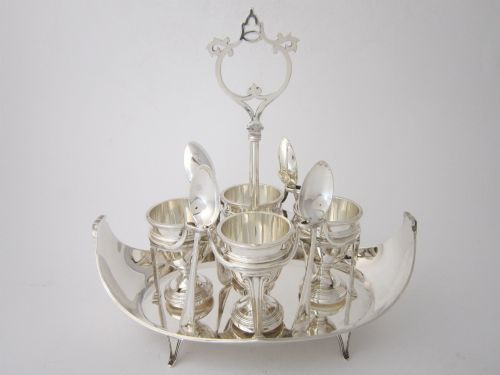
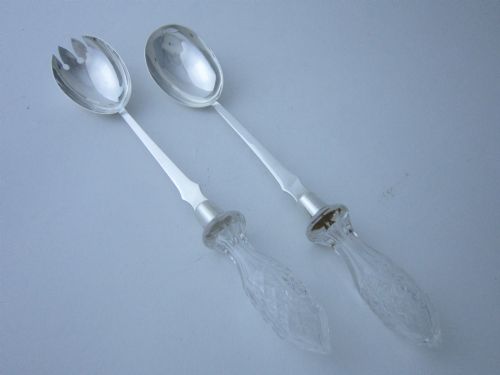
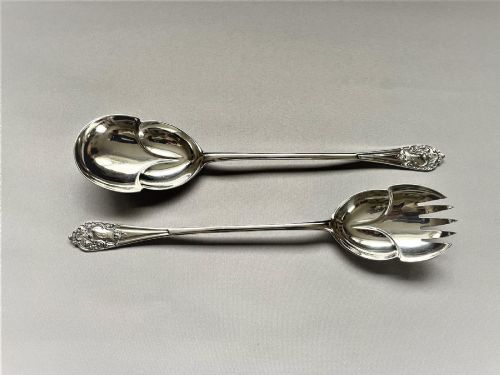
An edwardian serving set encompasses specialised cutlery, bowls, and dishes designed for specific courses during formal meals. Buyers searching for an edwardian serving set most frequently encounter boxed or paired sterling silver and silver-plated utensils, alongside cut glass and ceramic serving pieces. These items originate predominantly from the early twentieth century and the late Victorian era, reflecting the elaborate dining habits of the period.
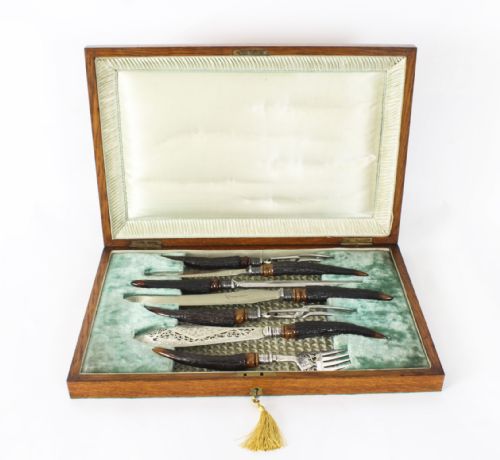
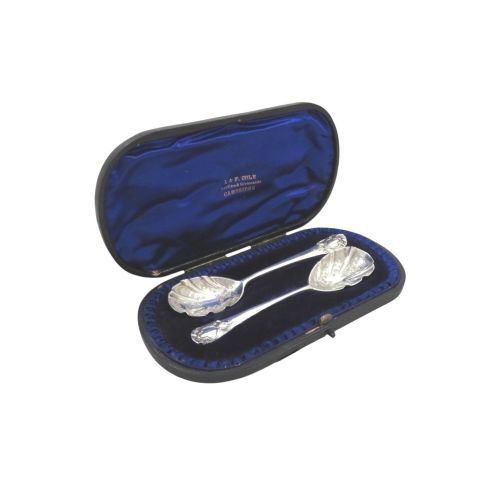
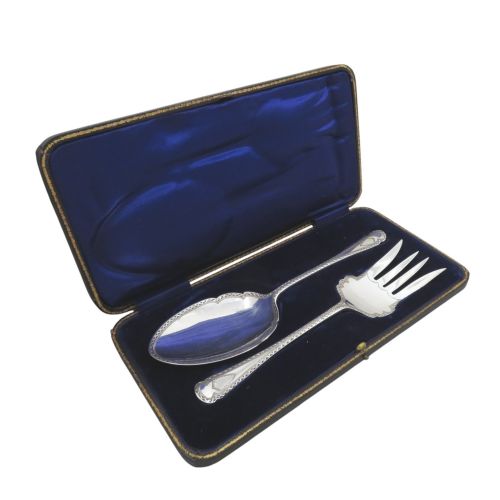
The groupings range from fish servers and salad sets to carving cutlery, jam spoons, and strawberry dishes. Many pieces arrive housed in original fitted cases lined with velvet, silk, or leatherette, preserving them for modern presentation. Traditional English styles dominate the selections, alongside occasional incursions of art deco and late nineteenth-century ornamentation.
How they were made
Makers utilised sterling silver and silver plate for cutlery blades, bowls, and mounts, frequently combining them with organic materials like antler horn for handles. Cut glass and ceramic form the bodies of bowls and dishes, often complemented by polished oak mounts or fitted leatherette presentation boxes.
Silver components display traditional techniques such as rat tail strengthening, hand engraving, and hallmarks denoting assay offices like Chester and Sheffield. Ceramic and glass elements incorporate hand-painted details and deep pressing or cutting to catch the light during evening meals.
Edwardian Serving Set Retail Price Guide 2026
Typical asking prices for edwardian serving set among the pieces listed under this phrase on Sellingantiques today, from the lower quarter to the upper quarter. They describe what is for sale here now, not the wider market.
Pumpkin-shaped punch bowls make a surprisingly festive appearance alongside traditional silver fish servers.
What varies in quality
The distinction between standard utility items and finer pieces lies in the weight of the metal, the crispness of the chasing, and the integrity of any fitted presentation case. Sterling silver examples with clear hallmarks command greater interest than plated alternatives, though high-grade silver plate from established workshops maintains a robust build.
Completeness dictates much of the desirability, particularly when original fitted velvet or silk linings remain intact alongside matching forks and spoons. The integration of materials, such as secure antler handles or unblemished cut glass, separates average table service pieces from exceptional examples.
Walker and Hall
The Edwardian Serving Set Glossary
- Sterling silver
- A silver alloy containing 92.5 percent pure silver by mass, standard in British manufacture. It carries assay office hallmarks indicating the year and place of testing.
- Silver plate
- A base metal layer coated with a thin layer of silver, offering the appearance of solid silver at a lower production cost. It appears frequently on larger serving dishes and cutlery.
- Rat tail
- A traditional strengthening ridge running down the back of a spoon bowl or fork junction. It reinforces the point where the handle meets the functional part of the utensil.
- Hallmark
- A series of official marks stamped on precious metals in the United Kingdom. It certifies the standard of purity, the assay office, and the date of manufacture.
- Serveware
- Collective terminology for dishes, bowls, and platters used to present food at the dining table rather than individual dining plates.
Edwardian Serving Set: Frequently Asked Questions
What is included in an edwardian serving set?
An edwardian serving set typically includes paired cutlery such as fish servers, salad forks and spoons, or smaller implements for jam, butter, and pickles. They are designed for specific courses rather than general dining.
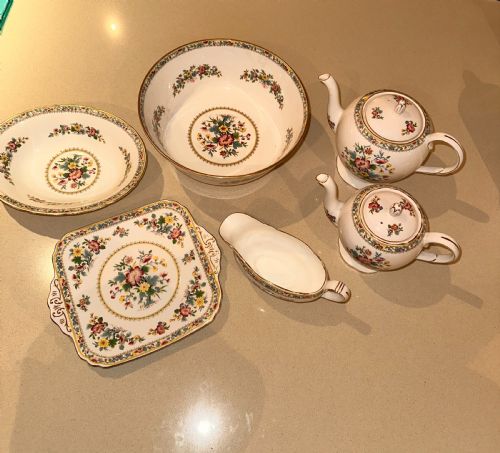
Larger groupings may also incorporate ceramic dishes, cut glass bowls, or silver-mounted oak containers intended for central table presentation during formal meals.
How do I care for silver serving pieces?
Sterling silver and silver-plated items require gentle hand washing in warm soapy water followed by immediate drying with a soft cloth. Avoid abrasive cleaners that can wear down thin silver plating or scratch polished surfaces.
Store pieces in tarnish-resistant cloth or their original fitted velvet and silk-lined cases when not in use to protect the metal from atmospheric moisture.
Were these sets used daily?
Most formal serving sets were reserved for special occasions, dinner parties, and Sunday lunches rather than everyday family meals. This limited usage is why many survive in excellent condition today.
The inclusion of original fitted presentation boxes indicates they were treated as prized possessions kept safely in dining room sideboards between uses.
How do I identify Edwardian pieces?
Edwardian items date from the reign of King Edward VII between 1901 and 1910, though pieces from the surrounding years often share the same aesthetic. Look for hallmarks with date letters corresponding to these specific years.
The style tends to be lighter and more refined than heavy Victorian designs, frequently drawing inspiration from eighteenth-century motifs with delicate piercing and floral engraving.