




Edwardian Serving Cart
These edwardian serving cart pieces bring period mobility and hospitality into modern rooms, offering practical tiered surfaces for drinks and tea.
Edwardian Serving Cart
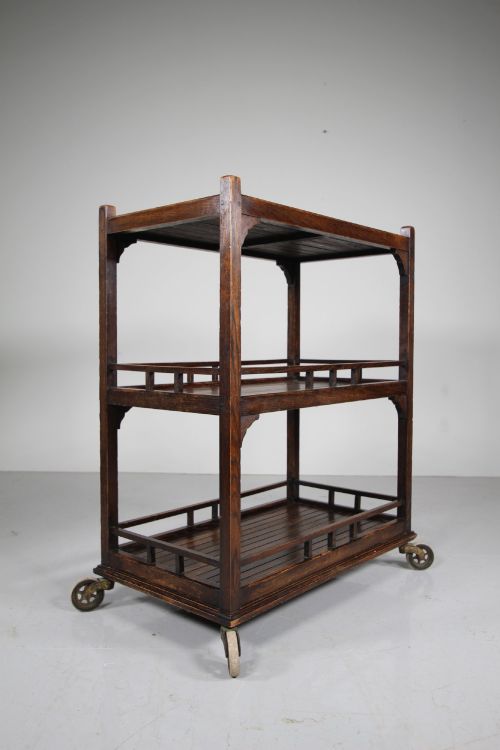
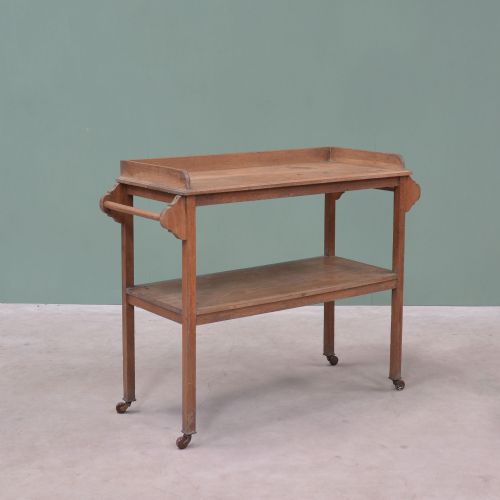
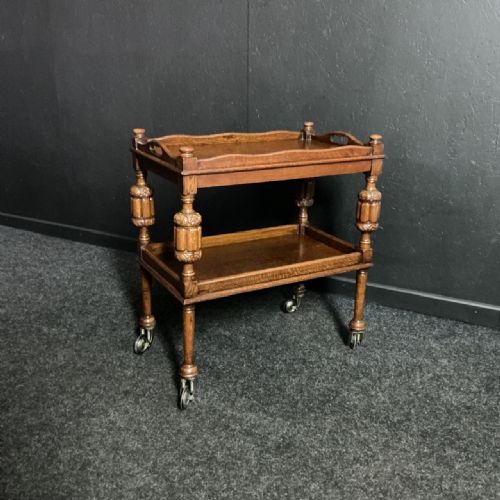
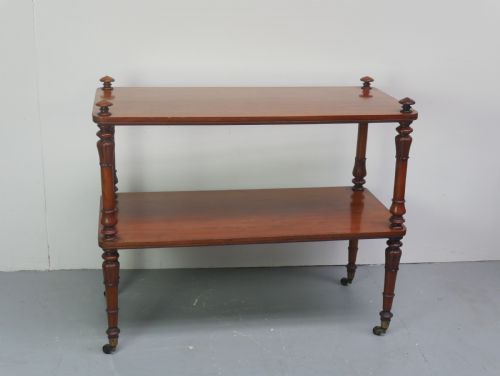
An edwardian serving cart provides mobile utility for afternoon tea, drinks, and dining, appearing predominantly in oak and mahogany across this selection. Buyers find multi-tiered designs, folding tops, dropleaf surfaces, and matching serving trays designed for easy movement.
While Edwardian examples anchor the category, pieces span adjacent periods from the mid-nineteenth century through the nineteen-thirties, alongside revival styles like Jacobean. Forms range from simple tea trolleys and bar carts to buffets, servers, and mirrored drinks trays.
Materials and construction
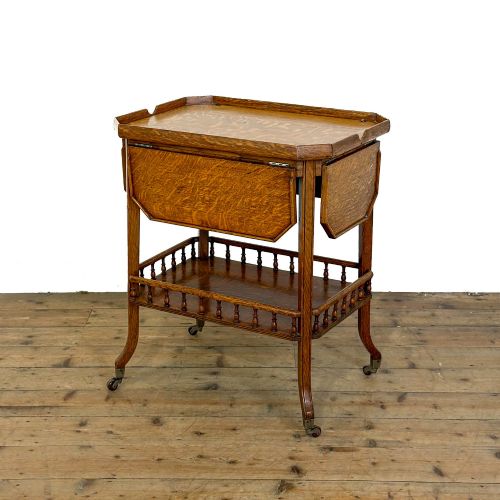
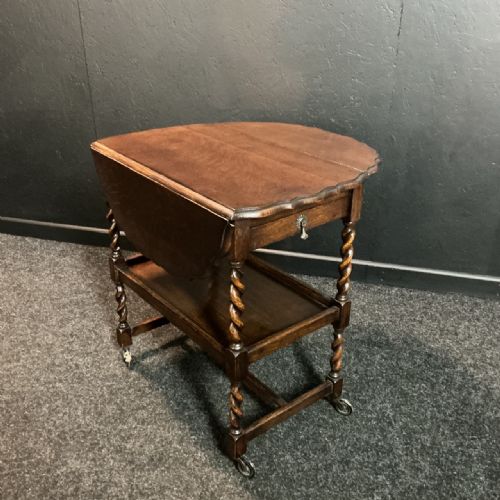
Timbers such as oak and mahogany form the structural framework of these trolleys, often combined with inlaid details, baize linings, or ebonised accents. Turnings like barley twist legs and folding drop-side mechanisms provide both structural support and flexible surface area.
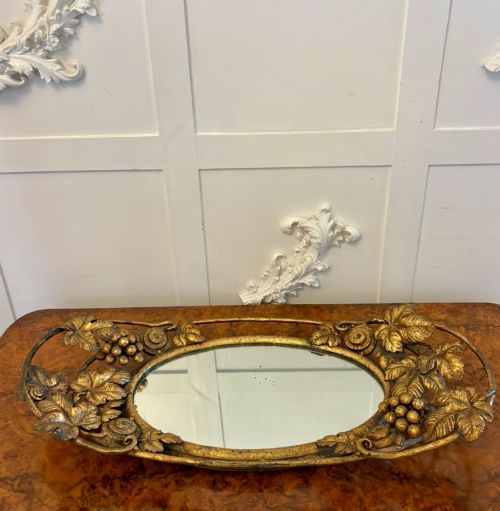
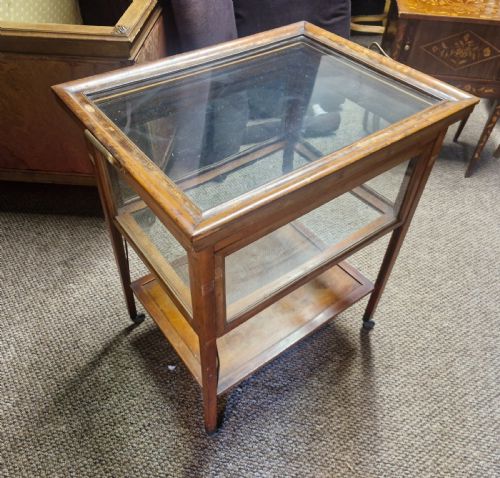
Metal and glass elements complete the construction, utilising brass, gilt metal, and silver plate for galleries, handles, and serving trays. Silver-plated and EPNS finishes add reflective surfaces to trays, while mirrored bases and glass inserts enhance drinks service.
Edwardian Serving Cart Retail Price Guide 2026
Typical asking prices for edwardian serving cart among the pieces listed under this phrase on Sellingantiques today, from the lower quarter to the upper quarter. They describe what is for sale here now, not the wider market.
Some trolleys cleverly double as card tables, ensuring that after the tea is finished, the host can immediately deal a hand of whist.
Distinctions in quality
Timber selection and inlay work distinguish standard production from finer pieces, where figured mahogany or quarter-sawn oak receive careful finishing. The integration of functional elements, such as smooth folding drop-leaves, secure tea tray surfaces, and sturdy wheels, defines the execution.
Metal mounts, silver plating quality, and the crispness of decorative details like grape vine motifs separate simpler utilitarian trolleys from more decorative display pieces.
The Edwardian Serving Cart Glossary
- Drop-leaf
- A table or trolley with hinged flaps on the sides that can be folded down to save space or raised to extend the surface area.
- Tea trolley
- A mobile small table or cart specifically designed to transport and serve tea ware, cakes, and cups.
- Gallery
- A raised decorative border around the edge of a tray or shelf to prevent items from sliding off during movement.
- Barley twist
- A type of column or furniture leg carved in a spiral twist resembling a helix, popular in revival furniture.
- EPNS
- Electroplated nickel silver, a common base metal alloy coated with a thin layer of pure silver used for trays and hardware.
Edwardian Serving Cart: Frequently Asked Questions
What is an edwardian serving cart used for?
These pieces served originally to transport tea, cakes, and beverages from the kitchen to the drawing room or parlour. Today, they function well as mobile drinks bars, side tables, or display surfaces in living spaces.
Their tiered designs and wheels allow them to adapt easily to modern entertaining and daily interior storage needs.
How do I identify an Edwardian tea trolley?
Edwardian examples typically display light-toned mahogany or oak construction, sometimes featuring inlaid stringing or simple turned supports. They often incorporate practical folding tops or drop sides.
Comparing the timber finish, hardware style, and wheel construction helps distinguish pieces made around nineteen hundred from later mid-century reproductions.
Are these trolleys sturdy enough for daily use?
Most pieces are built from solid hardwoods like oak and mahogany, designed to bear the weight of heavy silver tea services and glassware. Their wheeled bases remain functional when moved carefully across level floors.
Regular checks of joints and castor fittings ensure they remain stable for serving drinks or holding everyday items.
What is the difference between a tea trolley and a drinks cart?
Tea trolleys generally emphasise wooden tiered shelving for cups, teapots, and linens, sometimes including removable serving trays. Drinks carts often incorporate more metal, mirrored glass surfaces, and gallery rails suited for bottles and glassware.
Both types share the same mobile framework designed for hospitality and entertaining.