


Edwardian Seating Pair
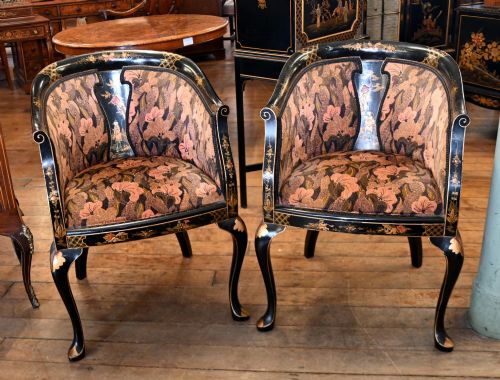
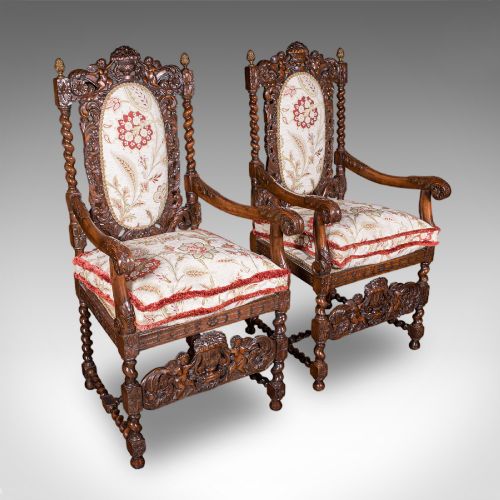
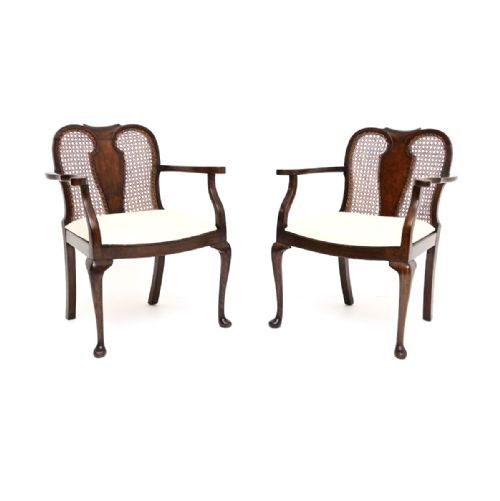
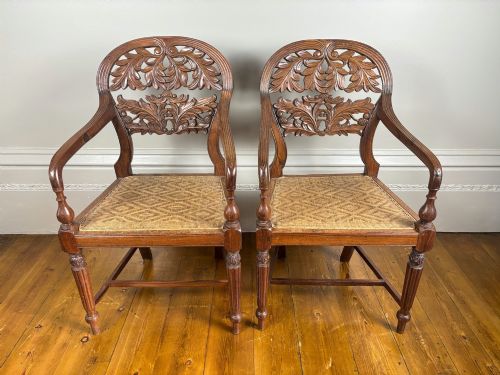
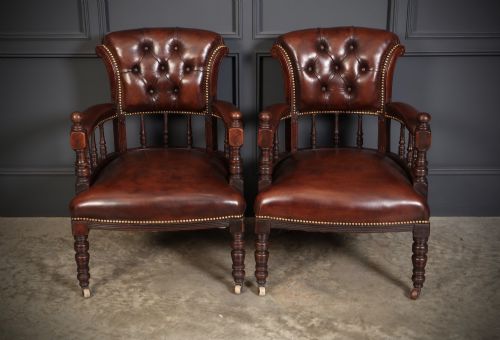
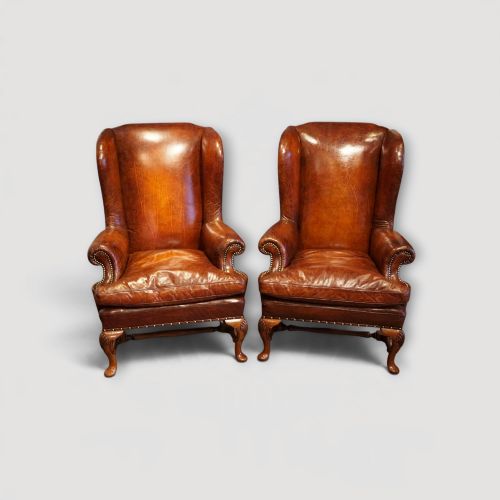
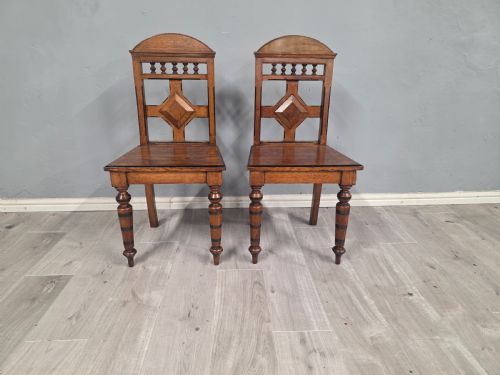
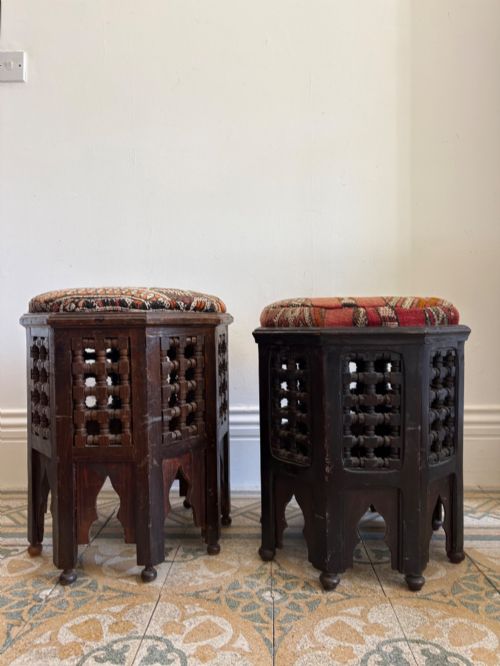
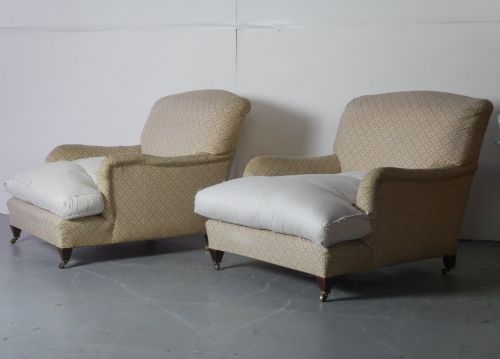
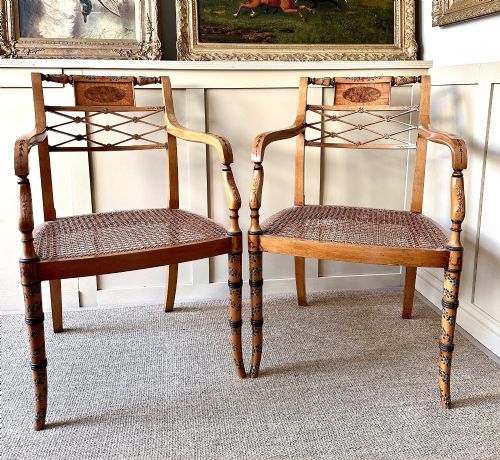
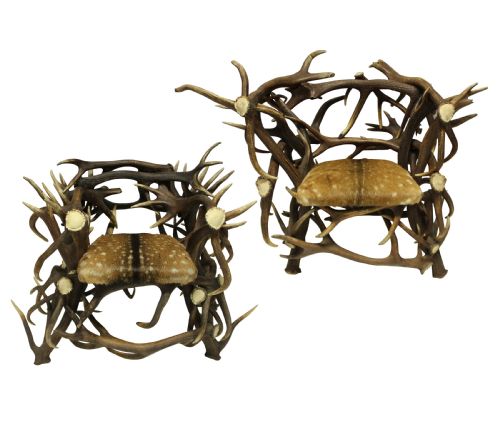
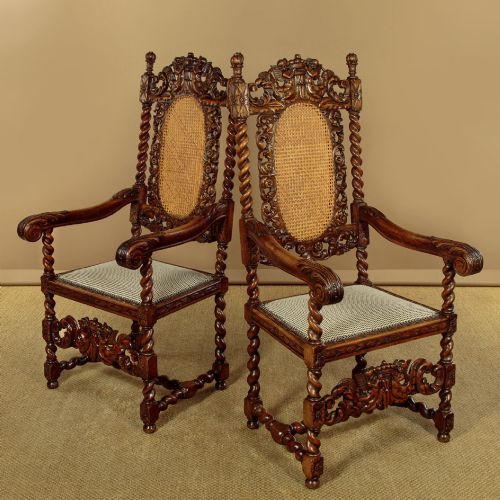
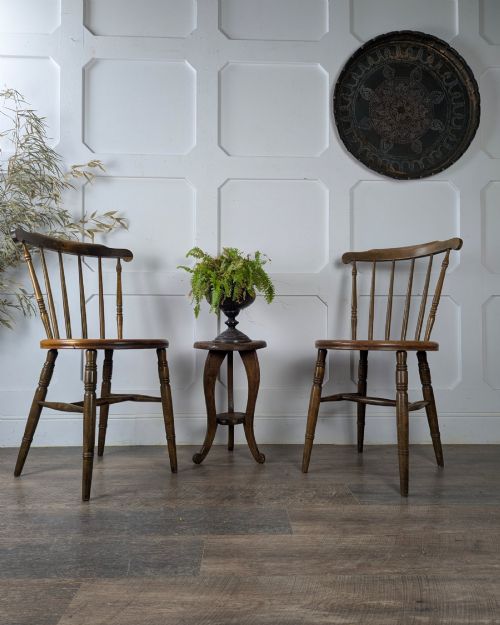
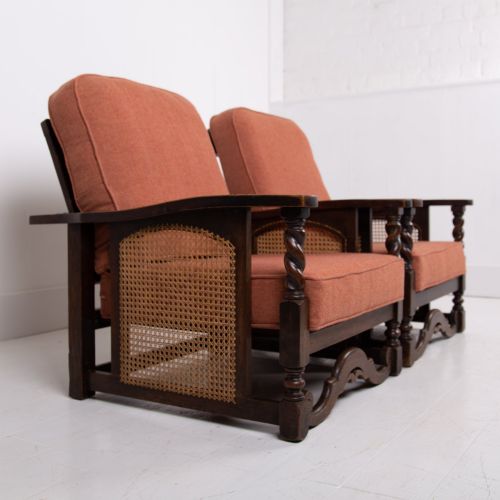
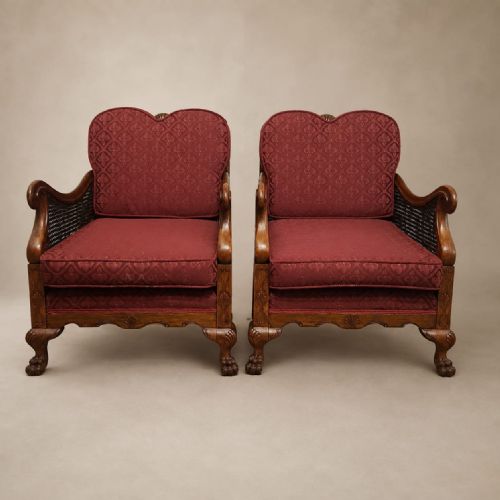
These edwardian seating pair options span mahogany armchairs and walnut side chairs designed to bring matching comfort and balance to a room.
Edwardian Seating Pair
An edwardian seating pair brings matching form and proportion into a room, fulfilling the period desire for symmetry in domestic spaces. These matched sets most frequently appear as pairs of armchairs, salon chairs, or side chairs built to furnish drawing rooms and parlours.
The selections on this page draw from periods spanning the late nineteenth century through the early twentieth century, alongside revivals reaching back to earlier styles. Makers of the era utilised diverse influences, resulting in forms ranging from straightforward oak dining chairs to elaborate satinwood armchairs.
Buyers encounter distinct seating types, including deep-seated armchairs, slender elbow chairs, and low nursing chairs. Each piece within a pair shares identical framing, carving, and upholstery intent, designed to sit opposite a fireplace or flank a central table.
Materials and Construction
Cabinetmakers constructed these frames using dense timbers such as mahogany, walnut, and oak, often enriching surfaces with intricate carving or string inlay. Wood selection dictated the strength of the chair frame, particularly in slender salon and side chair designs.
Upholstery and support relied on traditional textile coverings, leather, split cane panels, and brass details. Artisans integrated these materials to ensure durability while maintaining the refined aesthetic expected in formal rooms.
Edwardian Seating Pair Retail Price Guide 2026
Typical asking prices for edwardian seating pair among the pieces listed under this phrase on Sellingantiques today, from the lower quarter to the upper quarter. They describe what is for sale here now, not the wider market.
The inventory encompasses diverse forms ranging from formal salon chairs to robust Glastonbury chairs and garden benches.
Quality Variations in Seating Pairs
The distinction between standard production and the finest work lies in the crispness of carved details and the integrity of the timber framing. Superior pairs display precise joinery and harmonious grain matching across both pieces, whereas lesser examples show compromises in structural harmony.
The application of decorative elements, such as painted finishes, lacquering, or delicate inlay, separates routine seating from exceptional commissions. A higher grade of execution ensures that the pair maintains visual balance and physical sturdiness through decades of use.
Whytock and Reid·Charles Tozer·Howard and sons
The Edwardian Seating Pair Glossary
- Bergere
- An enclosed armchair with stuffed upholstery and cane panels set into the wooden frame. This French-inspired form provides a lighter visual weight while retaining comfortable seating.
- Elbow chair
- An armchair featuring open sides and low arms, frequently utilised as a companion to dining or desk tables. These chairs combine seating support with ease of movement.
- Salon chair
- A light, decorative chair designed for formal reception rooms rather than heavy daily use. They often incorporate painted surfaces, inlay, or elaborate revival motifs.
- Settee
- A medium-sized bench seat with upholstered back and arms, built to accommodate multiple people. They match the design language of associated chair pairs in a room.
- String inlay
- A narrow line of contrasting wood veneer embedded flush into the primary timber surface. Cabinetmakers applied this technique to accentuate the geometric outlines of furniture.
Edwardian Seating Pair: Frequently Asked Questions
How do I place a pair in a room?
Matched chairs work effectively when positioned opposite one another across a central hearth or coffee table. This arrangement creates a balanced focal point and encourages conversation.
Alternatively, placing them flanking a doorway or beneath a large mirror maintains visual symmetry in a hallway or drawing room.
What defines Edwardian style seating?
Edwardian seating typically favours lighter proportions and brighter woods compared to heavy Victorian predecessors. Designs often draw inspiration from earlier periods like the Sheraton and Chippendale revivals.
Makers incorporated satinwood, painted finishes, and delicate string inlay to achieve an airy elegance suited for early twentieth-century interiors.
Are these chairs suitable for daily use?
Many Edwardian and early twentieth-century armchairs were built with comfortable, deep seating intended for relaxation. Sturdy frames in oak or mahogany provide the structural foundation required for regular sitting.
When evaluating a pair for daily living, consider the condition of the internal webbing and the firmness of the cushions to ensure long-term comfort.
How do I identify different wood types?
Mahogany presents a rich reddish-brown tone with a straight grain that darkens gracefully over time. Walnut exhibits a more varied, figured grain pattern with warm brown colouration.
Oak is characterised by distinct visible growth rings and a heavier texture, frequently seen in revival styles and robust dining furniture.