





Edwardian Sapphire Target Ring
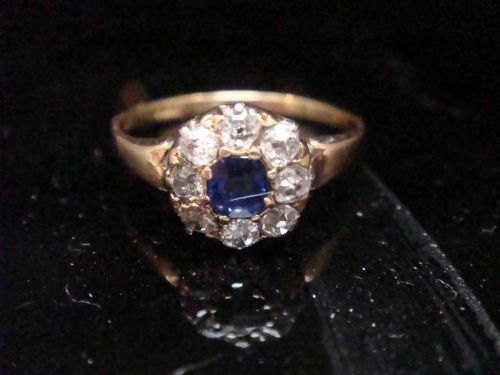
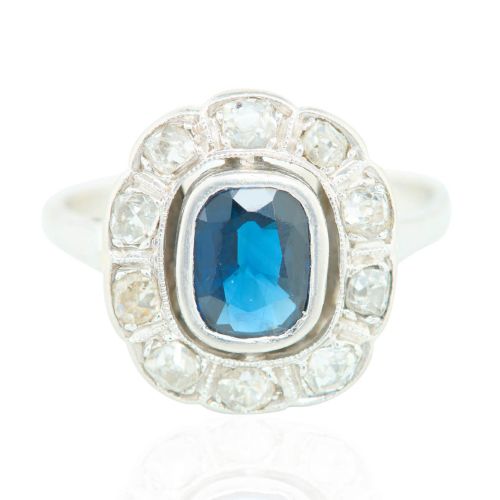
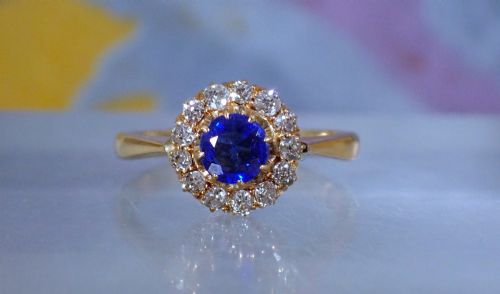
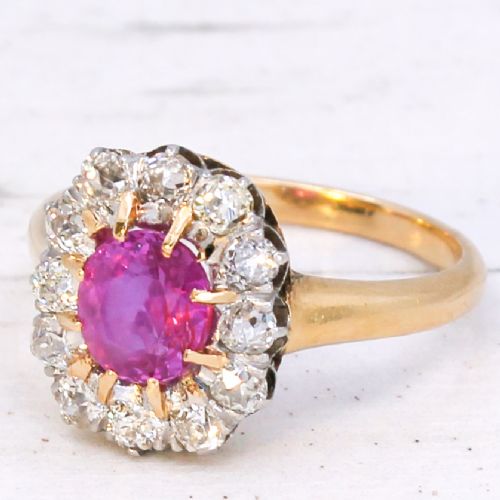
An edwardian sapphire target ring brings concentric circles of deep blue stones and brilliant diamonds to the finger with geometric precision.
Edwardian Sapphire Target Ring
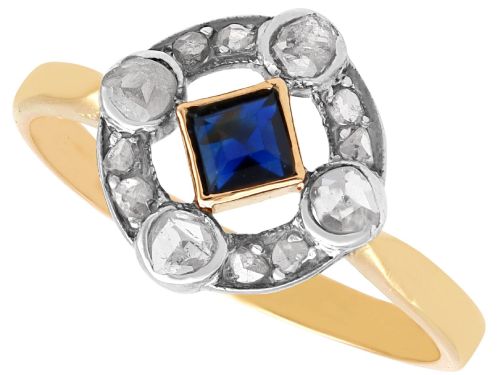
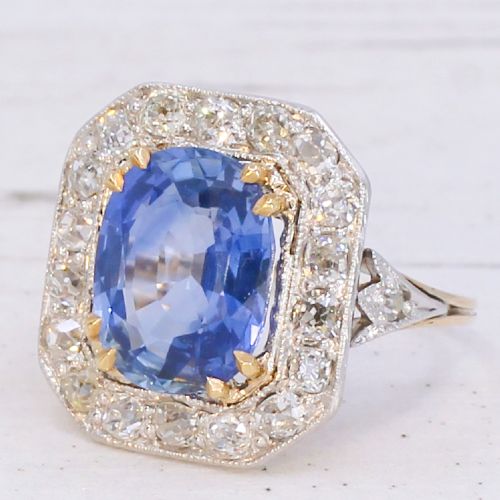
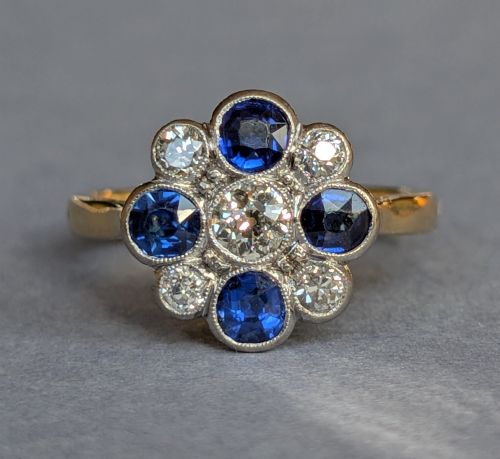
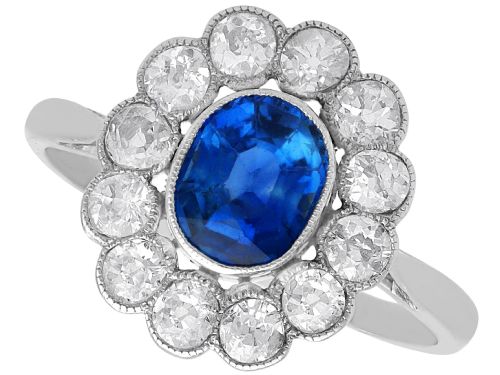
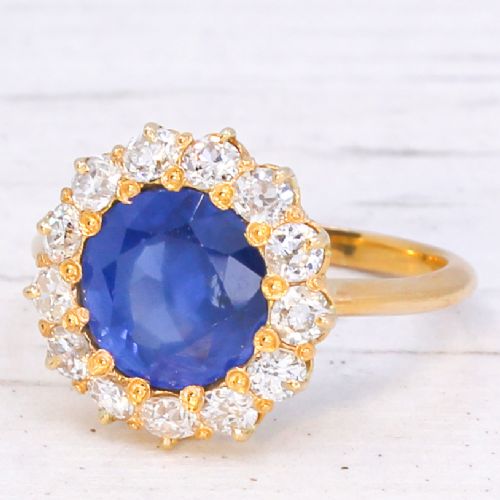
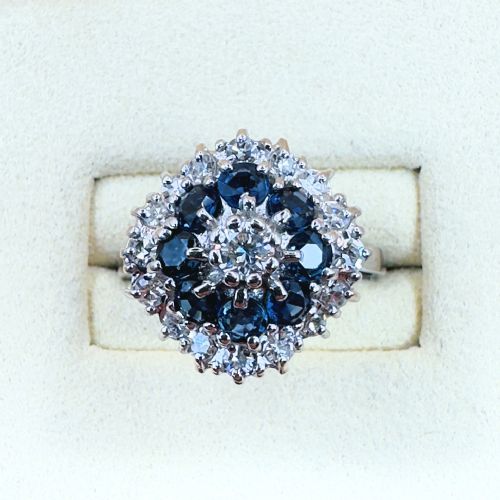
An edwardian sapphire target ring centres on a vivid blue corundum surrounded by geometric tiers of sparkling diamonds, creating the distinctive concentric pattern that gives the design its name. While many pieces date from the Edwardian period itself, buyers will also encounter closely related examples from the Art Deco era and subsequent revival periods.
The silhouettes span traditional daisy clusters, precise target motifs and intricate plaque designs set upon slim metallic bands. Yellow gold, white gold and platinum dominate the structures, often combining contrasting metals to highlight the central gemstone.
Origins stretch across British workshops and continental ateliers, including pieces originating from France. The forms range from delicate early twentieth-century mountings to bolder geometric interpretations from the 1930s.
Materials and construction
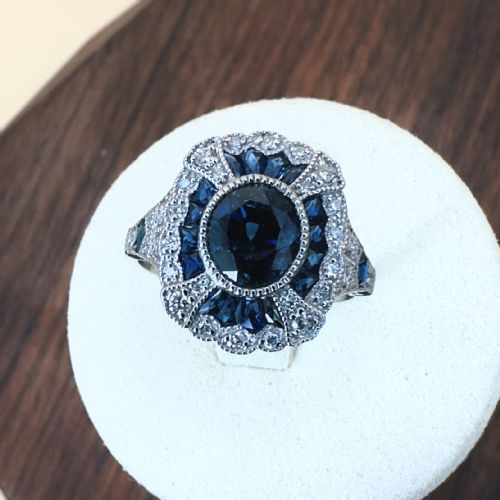
Master jewellers combined platinum and 18ct gold, frequently mounting diamonds in platinum over a yellow or white gold shank to maximise the brilliance of the stones. Calibré cut sapphires were meticulously shaped to fit precise geometric channels, alongside traditional old cut diamonds.
Natural unheated gemstones from origins such as Burma and Ceylon feature prominently in the settings, secured by delicate claw or bezel mounts. The integration of platinum allowed artisans to craft exceptionally fine metalwork without sacrificing structural integrity.
Edwardian Sapphire Target Ring Retail Price Guide 2026
Typical asking prices for edwardian sapphire target ring among the pieces listed under this phrase on Sellingantiques today, from the lower quarter to the upper quarter. They describe what is for sale here now, not the wider market.
Listings feature pieces spanning from 1890 through the Edwardian era and the Art Deco period up to the 1960s.
Quality factors in target rings
The precision of the stone cutting dictates the visual impact, particularly where calibré cut sapphires meet in tight concentric borders. Uniformity in colour saturation across the sapphire and consistent diamond clarity elevate the overall harmony of the target pattern.
Original setting integrity and minimal metal wear define the preservation of the piece. Subtle details in the millegrain work and the crispness of the platinum geometric tiers distinguish superior artisan execution from simpler production.
The Edwardian Sapphire Target Ring Glossary
- Target ring
- A ring featuring a central gemstone encircled by one or more concentric rings of contrasting stones, resembling a bullseye.
- Calibré cut
- Small gemstones shaped specifically to fit tightly within a channel or geometric border without visible gaps.
- Old cut diamond
- A hand-faceted diamond cut before modern machine-brilliant standards, characterised by a smaller table and high crown.
- Millegrain
- A decorative technique featuring a fine, beaded edge along the platinum or gold borders of a setting.
- Daisy cluster
- A central stone surrounded by rounded petallike stones resembling a natural flower.
Edwardian Sapphire Target Ring: Frequently Asked Questions
How do I wear a target ring daily?
Pair the low-profile geometric mountings with plain wedding bands that sit flush against the finger. Regular gentle cleaning maintains the brilliance of the concentric diamond borders.
Take care to remove the ring during heavy manual tasks to protect the delicate platinum claws and channel-set sapphires from unnecessary impacts.
What defines the Edwardian period?
The Edwardian era spans the reign of King Edward VII, noted for light, garland-style platinum mountings and delicate lace-like metalwork. Jewellers favoured high-contrast settings using diamonds alongside vivid blue sapphires.
Pieces from this time often exhibit soft organic curves alongside the emerging geometric precision that later defined the Art Deco movement.
Are these rings suitable for engagements?
The durable combination of platinum and 18ct gold makes these cluster designs robust choices for daily engagement wear. The distinctive concentric layout offers a meaningful alternative to solitary stone rings.
Buyers should verify the secure setting of both the central sapphire and the surrounding diamond halo before committing to everyday use.
How do I spot an Art Deco piece?
Art Deco rings showcase strict symmetry, sharp angles and strong architectural lines contrasting with earlier organic Edwardian curves. Look for calibre cut sapphires forming rigid geometric borders around the central diamond.
The widespread adoption of white gold and platinum starkly defines the monochromatic metal palettes typical of the 1920s and 1930s.