
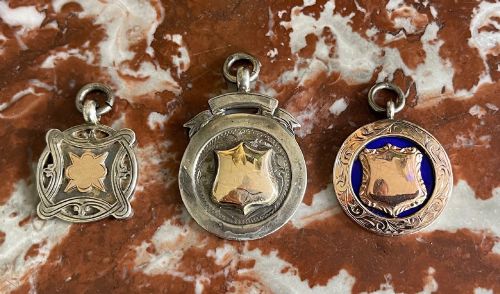
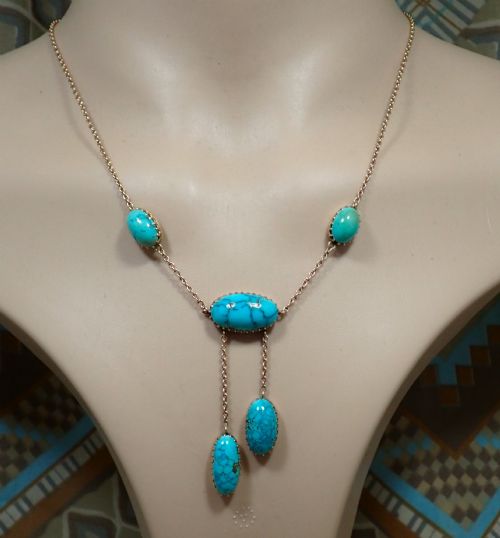
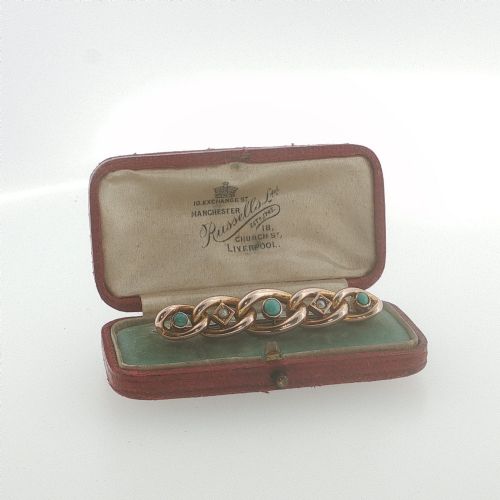
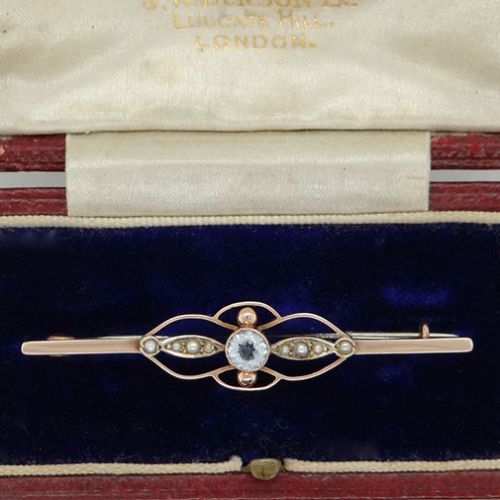
Edwardian Rose Gold Jewellery
Edwardian rose gold jewellery brings a warm, coppery lustre to rings, heavy curb chain bracelets, and gem-set pendants from the early twentieth century.
Edwardian Rose Gold Jewellery
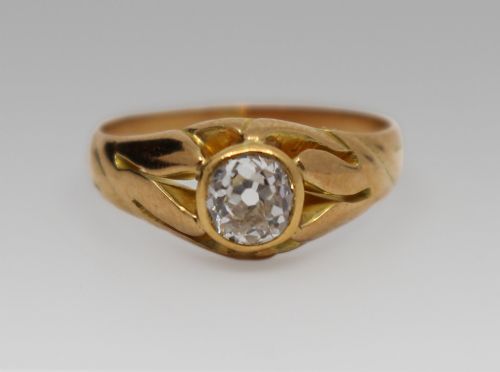
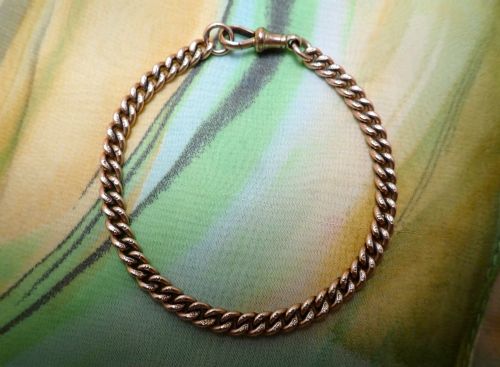
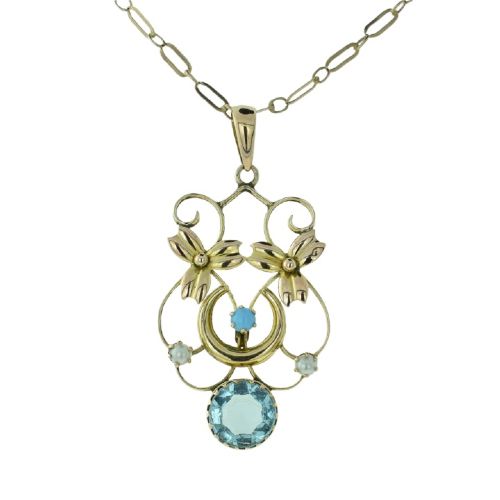
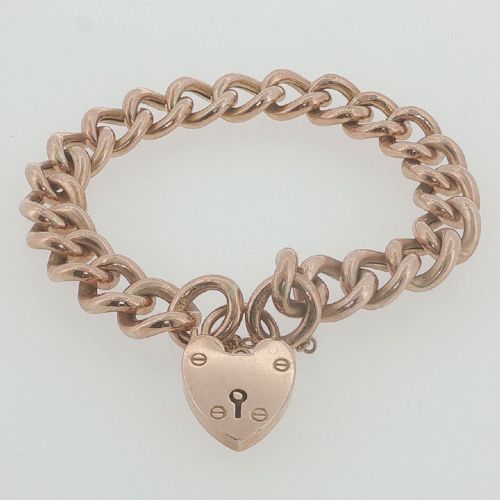
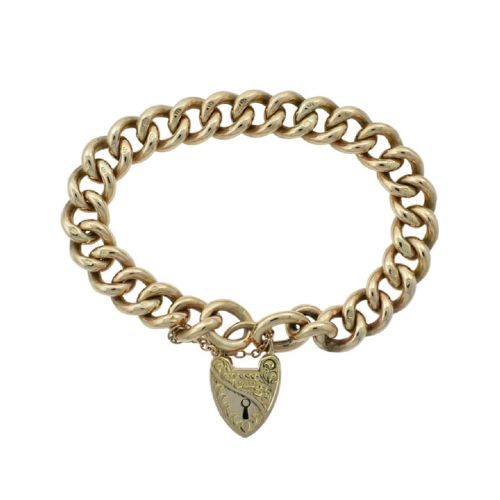
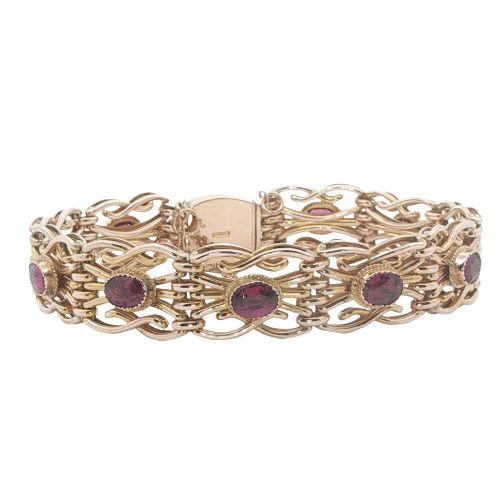
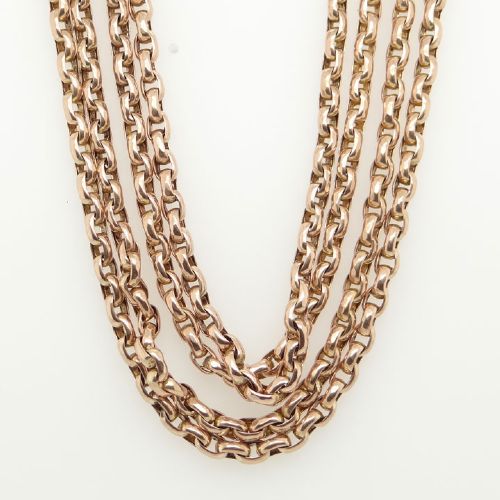
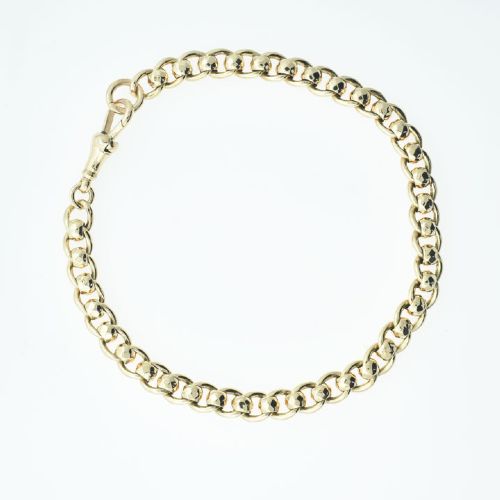
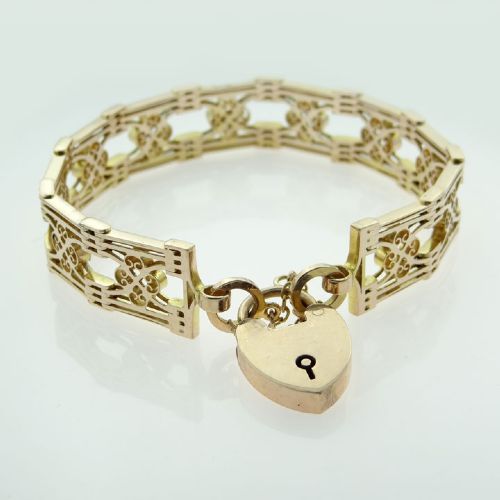
When you search for edwardian rose gold jewellery, you encounter distinctive pieces created around the turn of the twentieth century, alongside items spanning the late Victorian period through to the 1940s. The selection on this page centres heavily on substantial 9ct rose gold bracelets, including gate bracelets fitted with heart padlocks, graduated Albert bracelets, and heavy curb links.
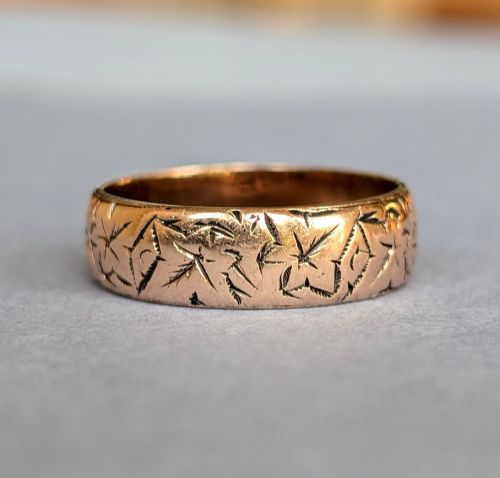
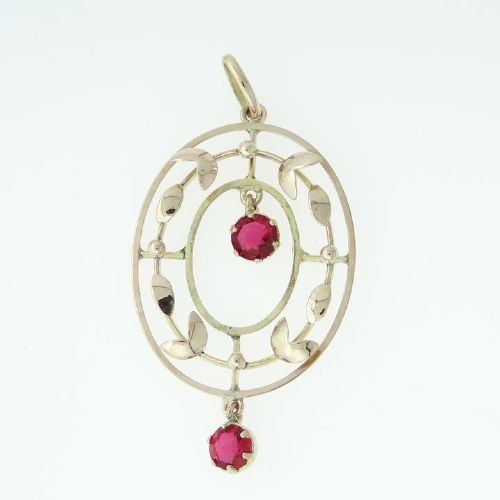
Beyond bracelets, the range includes wedding bands, signet rings, gemstone pendants, lockets, and negligee necklaces. Alongside items strictly defined by the Edwardian era, you will find pieces bearing styles from the Arts and Crafts movement, Art Nouveau, and early Art Deco, demonstrating how goldsmiths worked the metal across multiple decades.
How they were made
Goldsmiths of this period relied primarily on 9ct rose gold, blending copper with gold to achieve the characteristic warm hue, occasionally incorporating silver, 15ct gold, or 18ct gold elements. Metalworking techniques combined hollow stamping for lightweight components with solid casting and hand-engraving, particularly visible on half-engraved curb chains, rollerball bracelets, and patterned wedding bands.
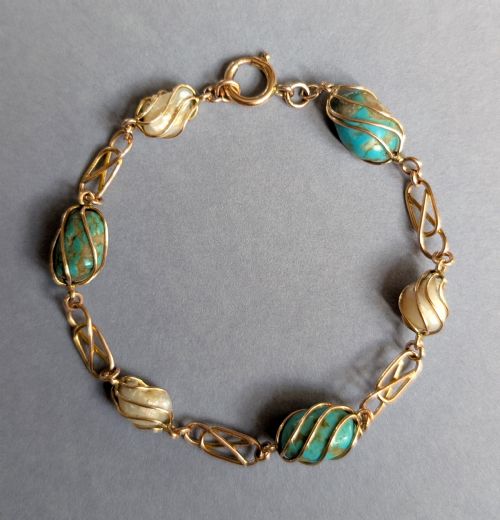
Gemstones such as turquoise, seed pearls, almandine garnets, blue topaz, aquamarine, and diamonds were securely flush-set, claw-set, or bead-set into mountings. Many chains incorporate functional mechanisms like dog clips, T-bars, spinning fobs, and heart padlocks, uniting decorative metalwork with everyday utility.
Listings feature 9ct rose gold alongside 15ct gold, 18ct gold, and silver, spanning the Victorian, Edwardian, and Art Deco periods.
What varies in quality
The distinction between standard examples and superior items rests upon the weight of the metal and the crispness of the hand-engraving. Heavier gate and Albert bracelets, scaling upwards in grams, demonstrate a substantial build that commands attention compared to lighter hollow alternatives.
Quality also reveals itself in the selection and setting of secondary materials, such as well-matched seed pearls, vibrant turquoise cabochons, and cleanly faceted almandine garnets. Furthermore, clear hallmarks indicating specific assay offices and dates elevate a piece through verifiable provenance.
The Edwardian Rose Gold Jewellery Glossary
- Albert chain
- A sturdy chain originally designed to secure a pocket watch to a waistcoat, frequently worn today as a heavy wrist bracelet.
- Gate bracelet
- A flexible bracelet constructed from linked metal bars resembling a small gate, commonly fastened with a heart padlock.
- Dog clip
- A spring-loaded swivel clasp used on watch chains and bracelets to secure pendants, fobs, or link ends.
- Negligee necklace
- A pendant style featuring an asymmetrical drop of stones suspended from a fine chain, popular during the Edwardian period.
- Seed pearl
- A very small, natural or cultured pearl utilised in clusters and floral motifs across rings, brooches, and pendants.
Edwardian Rose Gold Jewellery: Frequently Asked Questions
How do I wear an antique curb chain bracelet?
These robust bracelets wrap securely around the wrist, fastening with a traditional dog clip or heart padlock.
Their substantial weight allows them to be worn alone as a statement piece or layered alongside other antique bracelets.
How can I tell Edwardian gold from later pieces?
Edwardian gold often exhibits a deep, coppery rose tint characteristic of alloys popular at the beginning of the twentieth century.
Examining the piece for British hallmarks, maker's marks, and characteristic stylistic motifs like star settings and openwork scrollwork helps confirm the era.
Were these gemstones treated?
Stones such as turquoise, almandine garnets, and seed pearls set into these pieces are typically natural gems finished in traditional antique styles.
Cut variations, such as rose-cut diamonds and cabochon garnets, reflect the prevailing lapidary techniques of the early nineteen hundreds.