


Edwardian Revival Bookcase
An edwardian revival bookcase brings the refined proportion and classical inlay of earlier centuries into domestic rooms.
Edwardian Revival Bookcase
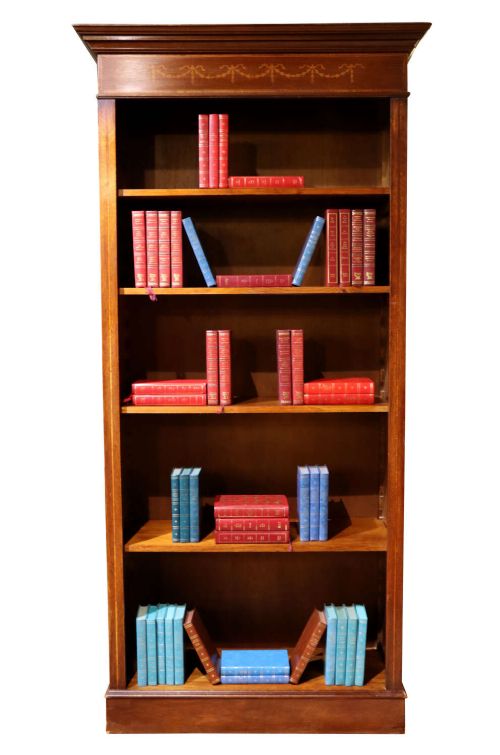
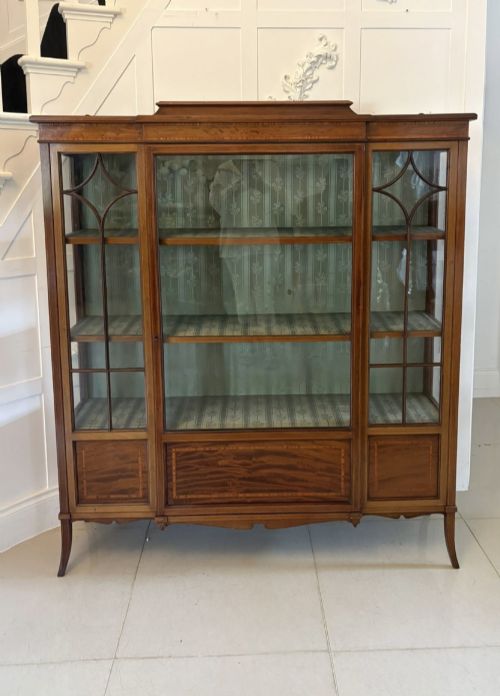
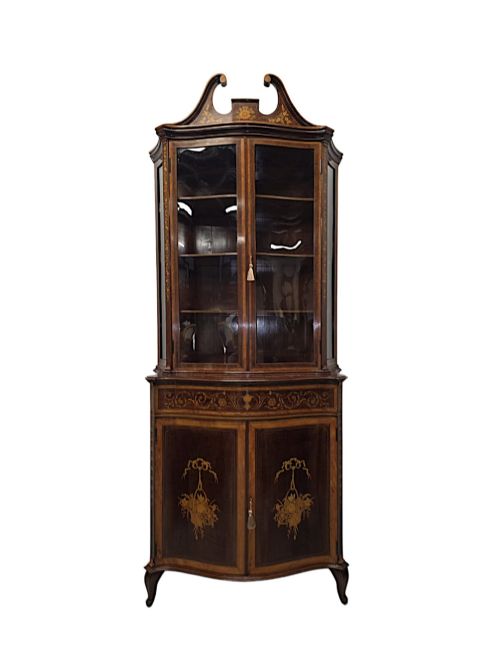
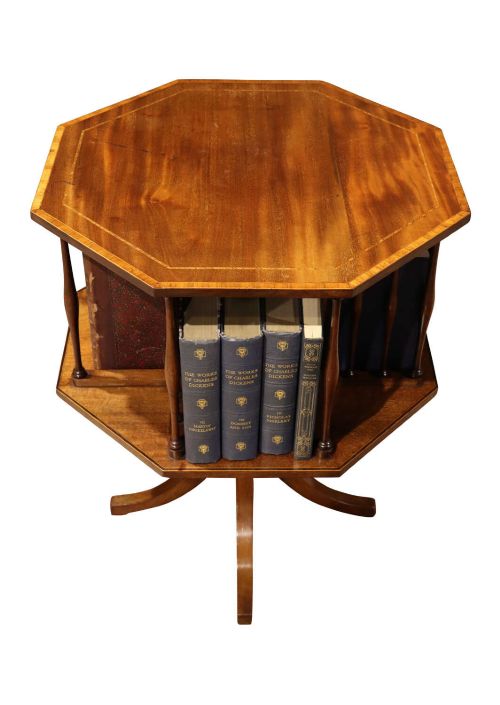
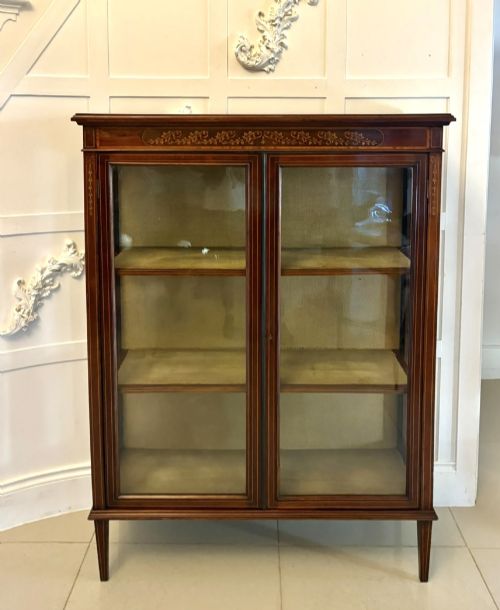
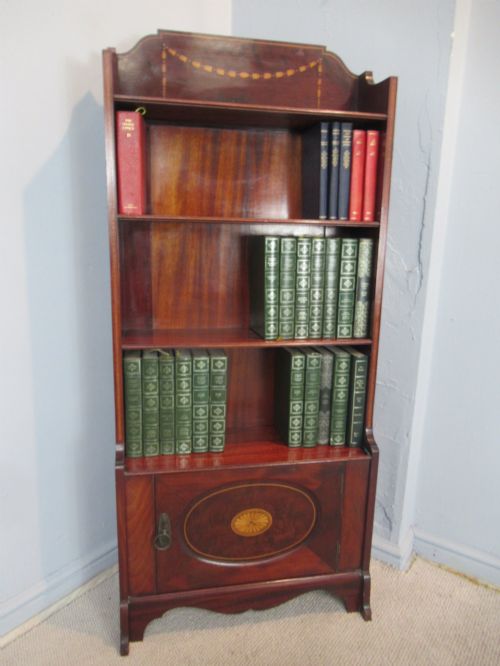
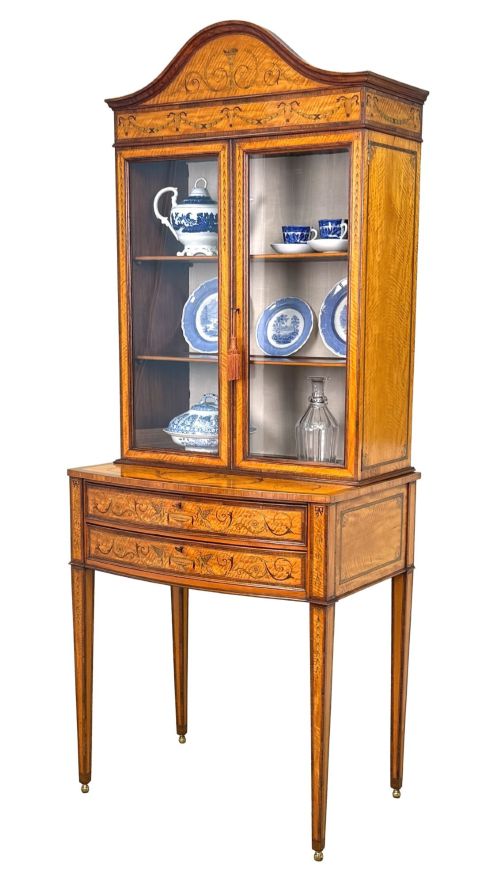
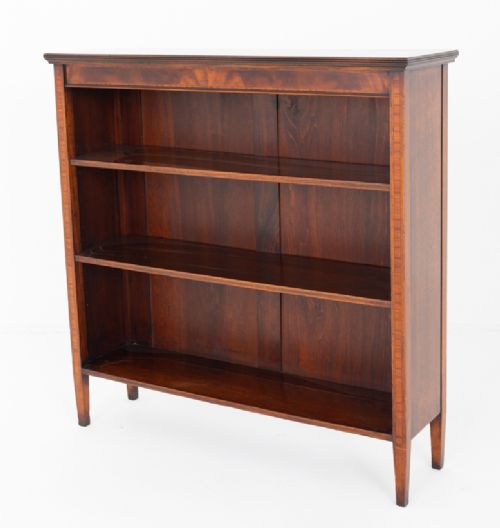
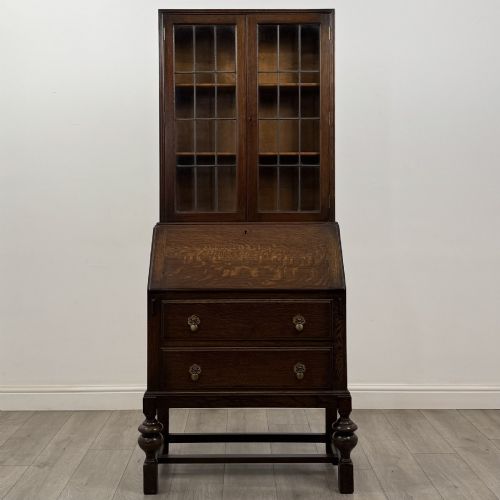
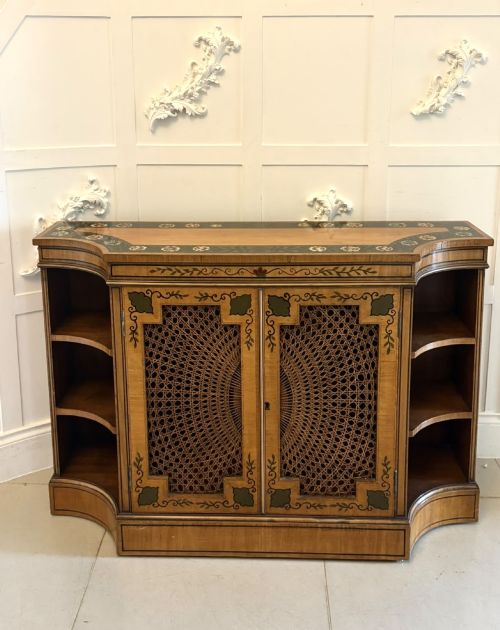
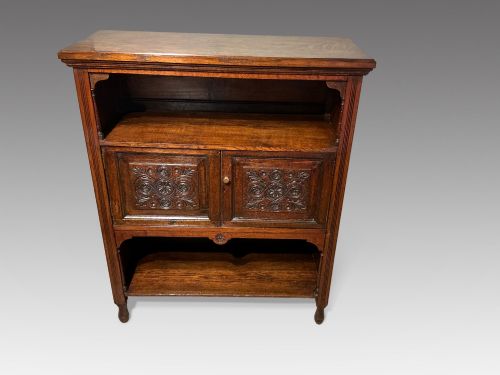
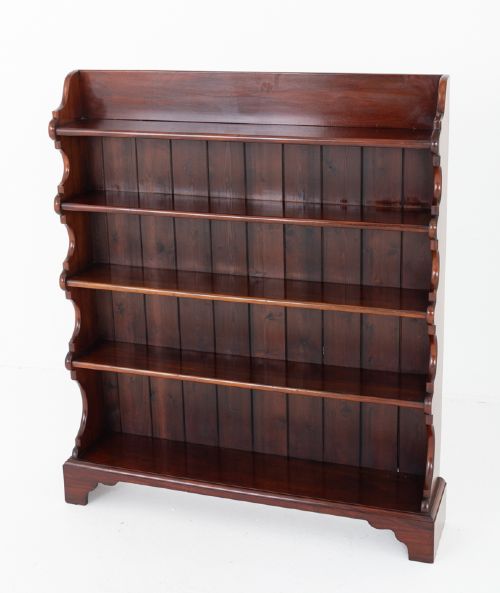
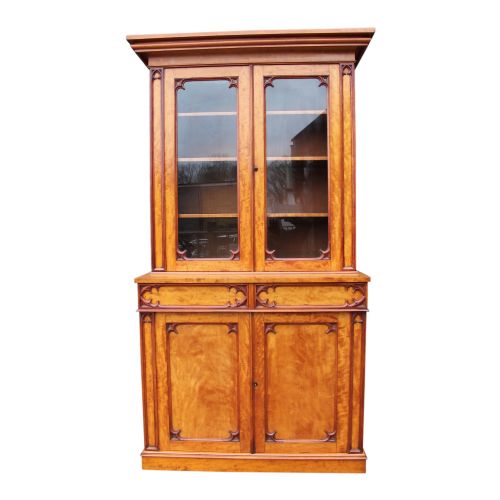
An edwardian revival bookcase on this page spans open shelves, glazed display cabinets, bureau bookcases, and side cabinets produced around the turn of the twentieth century. The selection leans heavily towards mahogany and satinwood forms drawing on Sheraton, Chippendale, and Georgian vocabularies, alongside darker oak examples following Jacobean and Gothic revivals.
Makers working in this period repurposed eighteenth-century lines for contemporary homes, producing breakfront cabinets, bow-ended vitrines, and bureau bookcases with fitted writing desks. Buyers meet these pieces in various scales, from narrow corner cabinets to large breakfront configurations designed to hold leather-bound volumes and china collections.
The aesthetic vocabulary bridges Victorian mass production and a renewed interest in historical cabinet-making techniques. Pieces often combine display functionality with enclosed storage, utilising glazed doors and mirror backs to maximise light within principal rooms.
Materials and Technique
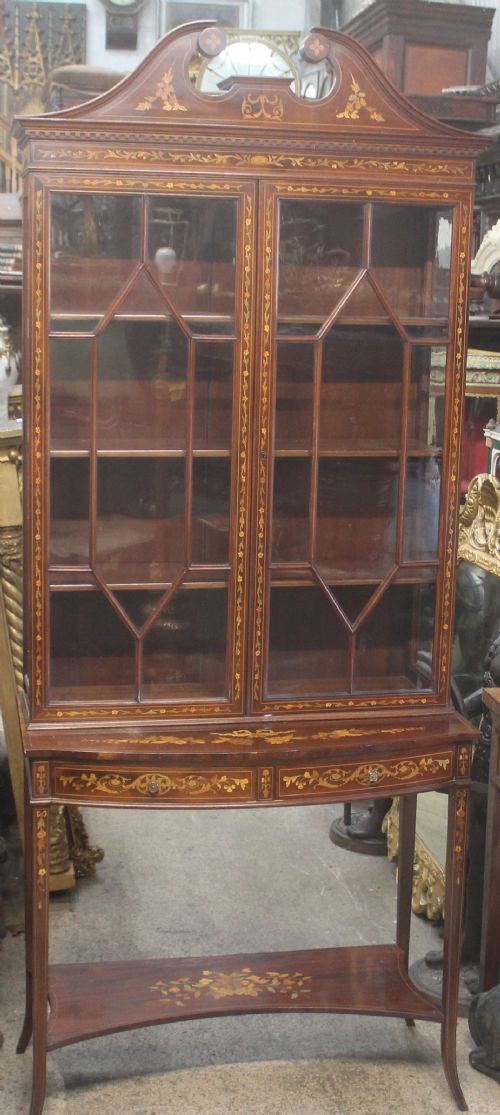
Constructed primarily from solid mahogany or oak, these pieces frequently employ finely figured satinwood veneers across prominent surfaces. Cabinet-makers used contrasting stringing, marquetry inlay, and painted decoration to define panels and drawers, echoing eighteenth-century neo-classical tastes.
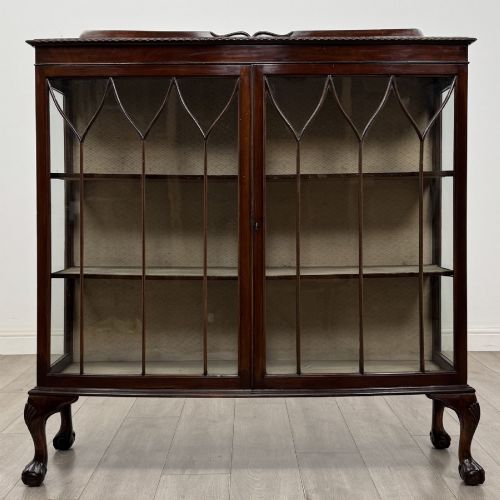
Glazing relies on timber bars or leaded cames holding glass panes, while internal fittings often include adjustable shelving, fabric linings, and brass hardware such as galleries and drop handles. Structural support comes from slender cabriole legs, bracket feet, or barley twist turnings depending on the chosen revival style.
Edwardian Revival Bookcase Retail Price Guide 2026
Typical asking prices for edwardian revival bookcase among the pieces listed under this phrase on Sellingantiques today, from the lower quarter to the upper quarter. They describe what is for sale here now, not the wider market.
Listings feature mahogany, satinwood, and oak as the primary woods, spanning glazed display cabinets and bureau bookcases.
Distinctions in Execution
The hierarchy among these pieces rests upon the crispness of the timber selection and the precision of the cabinet work. Superior examples demonstrate finely figured veneers, deeply saturated polished finishes, and hand-cut joinery that remains tight across large structural carcases.
Decorative elements set the finer items apart from standard production, seen in hand-painted floral panels, intricate marquetry, and substantial brass mounts rather than pressed metal substitutes. The weight of the timber and the integration of original glass panes dictate the overall integrity of the piece.
Edwards and Roberts·Waring and Gillow·Maple and Co·Hampton and Sons
The Edwardian Revival Bookcase Glossary
- Sheraton Revival
- A late nineteenth and early twentieth-century style imitating the classical proportions, satinwood veneers, and painted urn motifs associated with designer Thomas Sheraton.
- Bureau Bookcase
- A dual-purpose piece combining a sloping desk flap that opens for writing with enclosed shelving above, often protected by glazed doors.
- Breakfront
- A cabinet configuration where the central section projects forward from the flanking wings, creating visual depth and varied internal storage capacity.
- Astral Glazing
- Cabinet doors divided into small glass panes by slender timber bars, frequently forming geometric or Gothic arch patterns.
- Marquetry
- The art of applying decorative pieces of veneer to a structure to form intricate pictorial or geometric patterns.
Edwardian Revival Bookcase: Frequently Asked Questions
What is an edwardian revival bookcase?
These pieces are early twentieth-century interpretations of eighteenth-century furniture styles, built to meet contemporary demands for refined home storage. They combine historical design motifs with the practical requirements of Edwardian interiors.
Cabinet-makers utilised traditional woods like mahogany and satinwood alongside newer machine-assisted techniques to produce durable domestic furniture that offered both display space and concealed storage.
How were these cabinets used?
Owners originally placed them in drawing rooms, studies, and libraries to house treasured book collections, porcelain, and curiosities. The glazed doors protected delicate volumes from dust while allowing visual access.
Bureau variants provided a private surface for correspondence, keeping stationery and writing instruments organised within fitted internal pigeonholes and small drawers.
How do I care for satinwood and mahogany?
Keep these surfaces away from direct sunlight and strong heat sources to prevent the veneers from drying out or lifting. Regular dusting with a soft, dry cloth maintains the polished finish without chemical buildup.
Occasional application of traditional beeswax helps nourish the timber and preserves the natural lustre of the grain over decades of domestic use.
How do I identify different revival styles?
Sheraton and Georgian revivals typically feature bright satinwood, painted floral decorations, and slender proportions. Jacobean and Gothic revivals are characterised by darker oak, geometric mouldings, leaded glass, and turned supports.
Examining the secondary timbers inside drawers and the style of the brass hardware helps confirm the historical design influence guiding the cabinet-maker.