




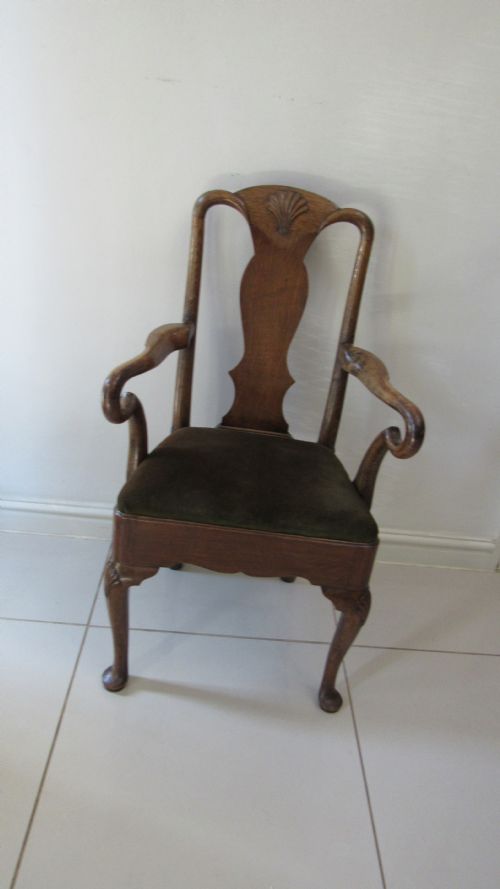
Edwardian Queen Anne Armchair
An Edwardian queen anne armchair brings robust timber framing and sweeping upholstered comfort together in a classic revival form that anchors any traditional interior.
Edwardian Queen Anne Armchair
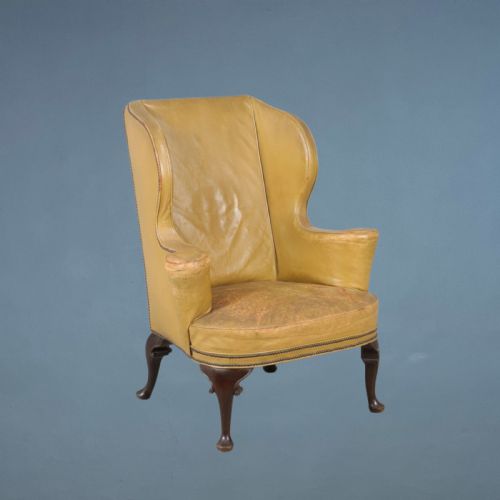
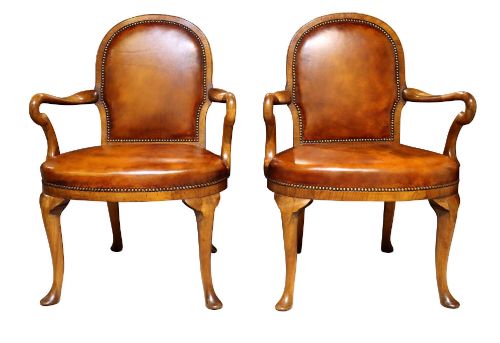
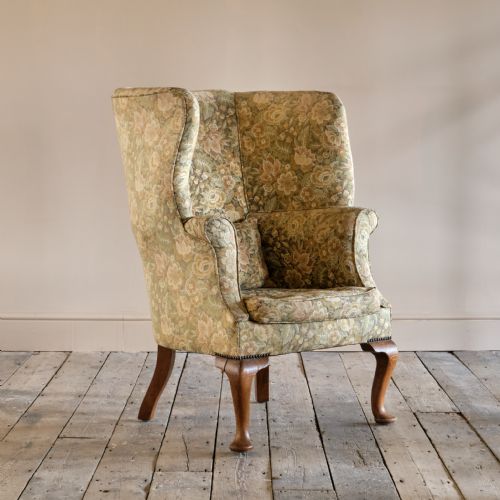
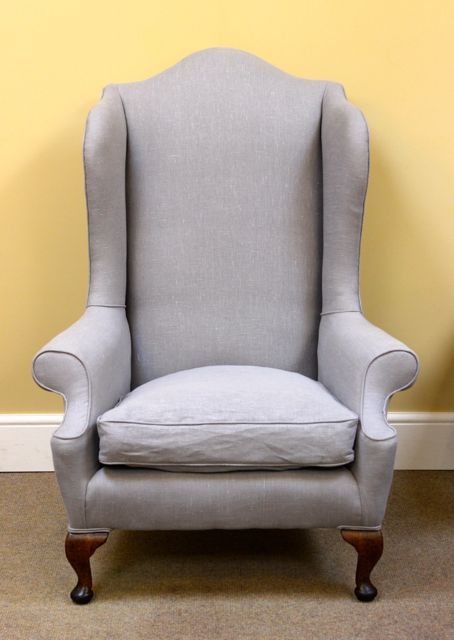
When you search for an edwardian queen anne armchair, you find seating that echoes early eighteenth-century proportions through twentieth-century craftsmanship. The selection spans dining chairs, desk chairs, and substantial wing armchairs designed for heavier daily use.
Most examples appearing here date from the Edwardian era or the early decades of the twentieth century, adopting the distinct revival styles popular at the time. Walnut and mahogany dominate the timber choices, frequently paired with leather, velvet, or woven upholstery fabric.
The aesthetic borrows heavily from the original Queen Anne repertoire, retaining characteristic cabriole legs and supportive splat backs. Buyers frequently encounter sets of dining chairs alongside single library and desk variants.
Materials and construction
Cabinetmakers built the structural frames of these armchairs primarily using solid walnut or mahogany, shaping the grain to highlight natural figuring and warmth. Joinery relied on traditional techniques to ensure stability across high-stress points like the arms and rear uprights.
Upholstery involved stuffing horsehair or contemporary fillings into spring or webbed bases before securing the outer layer of leather, velvet, or textile with brass tacks. Decorative details such as parcel gilding, marquetry inlay, and carved splats required precise hand work by specialist artisans.
Tiny nursery chairs let toddlers sit in miniature architectural splendour while adults pretend not to be jealous of the craftsmanship.
Factors that separate the finer pieces
Quality rests heavily on the integrity of the timber frame and the precision of the carving on the cabriole legs. Pieces that retain their original surfaces and uncompromised structural joinery command greater appreciation than those requiring extensive timber repairs.
The grade of the secondary materials, from the thickness of the walnut or mahogany to the choice of heavy hide or quality textile, dictates the overall stature of the chair. Finer workshops invested greater skill into decorative touches like carved splats and balanced proportions.
Whytock & Reid·Spillman & Co·Waring & Gillow
The Edwardian Queen Anne Armchair Glossary
- Cabriole leg
- A furniture leg that curves outward at the knee and tapers inward toward the ankle, mimicking animal limbs. This form remains a defining marker of Queen Anne style seating.
- Splat
- The vertical central strip of wood within a chair back that provides lumbar support. In revival pieces, these often feature decorative painting or distinct carving.
- Wing armchair
- A high-backed seating form featuring projecting side panels designed to shield the occupant from drafts. Leather upholstery and deep cushioning are common characteristics.
- Carver chair
- An armchair designed to match a set of dining chairs, typically featuring open arms and a slightly wider seat. These often head a dining table.
- Marquetry
- The art of applying thin veneers of various woods onto a structural base to create decorative patterns. It appears on select corner and occasional chairs.
Edwardian Queen Anne Armchair: Frequently Asked Questions
Are these chairs comfortable for daily use?
Many Edwardian and early twentieth-century examples offer deep cushioning and supportive wing or barrel backs suited for relaxation. Desk and dining variants provide firmer upright support.
Buyers often select them for studies, libraries, and living rooms where both aesthetic presence and functional seating matter.
How do I spot a revival piece?
Revival chairs from the Edwardian era generally display machine-sawn timber elements alongside hand-finished carving and traditional joinery. Tool marks and construction methods differ subtly from authentic eighteenth-century work.
Examining the underside and framing reveals the specific milling standards typical of the early twentieth century.
What woods were used in construction?
Walnut and mahogany serve as the primary timbers for framing these armchairs, chosen for their strength and rich grain. Burr walnut and rosewood also appear on select decorative models.
Secondary woods used internally often include pine or beech depending on the workshop origin.