






Edwardian Pot Pourri
Edwardian pot pourri vessels and boxes hold dried fragrant petals and herbs, bringing period charm and scent to a room.
Edwardian Pot Pourri
When you search for edwardian pot pourri, you encounter items designed to scent domestic interiors with dried flower petals and spices. The selection spans delicate ceramic vessels alongside pierced metal and silver boxes.
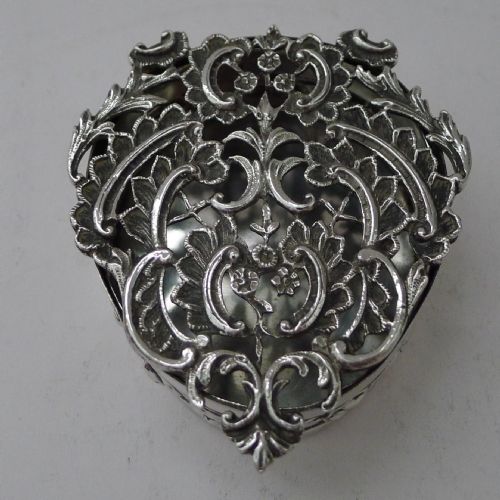
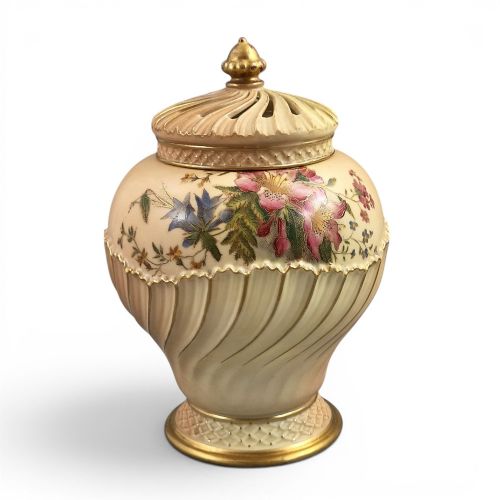
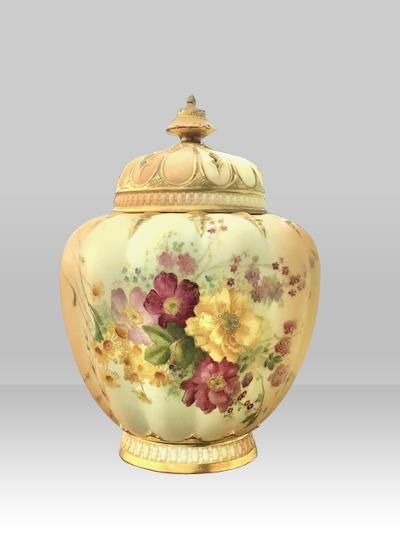
Ceramic examples often take the form of covered vases, jars, and bowls created by factories such as Royal Worcester. Silver pieces frequently appear as lidded boxes and pierced baskets, sometimes combined with tortoiseshell or enamel.
The objects date primarily from the early twentieth century, aligning with the Edwardian era and surrounding decades. These forms reflect both the ceramic artistry and the silversmithing standards of the period.
Materials and methods of construction
Ceramic vessels utilise porcelain and earthenware bodies, frequently decorated with hand-painted motifs and finished with gilding or gold leaf. Potters employed specialised shapes and pierced covers to allow scent to disperse effectively.
Edwardian Pot Pourri Retail Price Guide 2026
Typical asking prices for edwardian pot pourri among the pieces listed under this phrase on Sellingantiques today, from the lower quarter to the upper quarter. They describe what is for sale here now, not the wider market.
Listings feature porcelain, earthenware, and sterling silver, alongside decorative elements like enamel, gold leaf, and tortoiseshell.
Distinctions in quality and execution
Quality rests upon the crispness of the silversmith's piercing and the clarity of maker marks on metal pieces. Hand-painted ceramic examples are elevated by the skill of named artists and the subtlety of the enamel work.
The integrity of the form, particularly the presence of matching covers and undamaged piercing, dictates the standing of the piece. Finer items demonstrate superior control of gilding and well-preserved decorative surfaces.
Royal Worcester·Walker And Hall·William Comyns·Moorcroft Macintyre And Co
The Edwardian Pot Pourri Glossary
- Blush ivory
- A soft, matte cream ceramic finish developed by Royal Worcester that mimics the appearance of ivory. It serves as a subtle background for hand-painted floral decoration.
- Pierced silver
- Metalwork cut through with decorative openwork patterns. This technique allows scent to escape freely from a pot pourri container.
- Pot pourri
- A mixture of dried petals and spices placed in a vessel to perfume a room. The container requires a pierced or removable lid to release the fragrance.
- Gilding
- The application of a thin layer of gold or gold leaf to ceramic or metal surfaces. It provides metallic highlights to borders and painted scenes.
Edwardian Pot Pourri: Frequently Asked Questions
How do I use an antique pot pourri jar?
Place dried scented petals and botanical materials inside the ceramic or silver body. Replace the pierced cover to let the fragrance diffuse quietly into the room.
Keep the vessel away from direct sunlight and damp conditions to preserve both the dried contents and the delicate exterior finish.
How do I care for silver pot pourri boxes?
Clean sterling silver surfaces gently with a soft cloth to avoid scratching the metal or damaging pierced details. Store them in stable indoor environments without excessive moisture.
Avoid harsh chemical dips, particularly if the silver incorporates enamel or tortoiseshell elements.
How can I tell if a piece is Edwardian?
Examine the hallmarks on silver items to read specific assay office symbols and date letters corresponding to the early 1900s. Ceramic pieces often rely on factory backstamps and shape numbers that date production to the era.
Stylistic cues such as soft floral painting and Art Nouveau influences also point toward the period.