




Edwardian Platinum Brooch
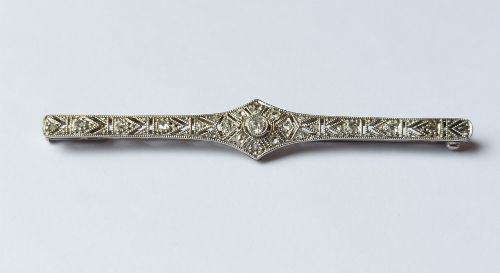
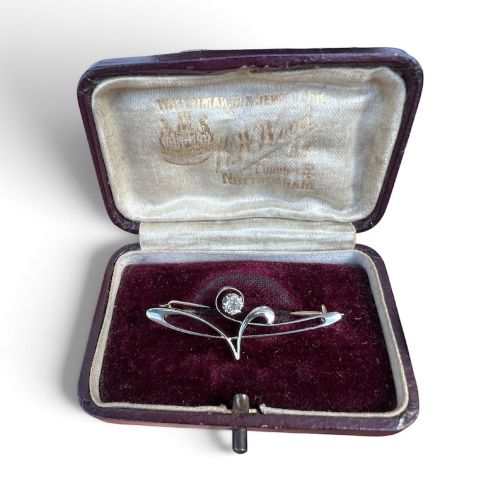
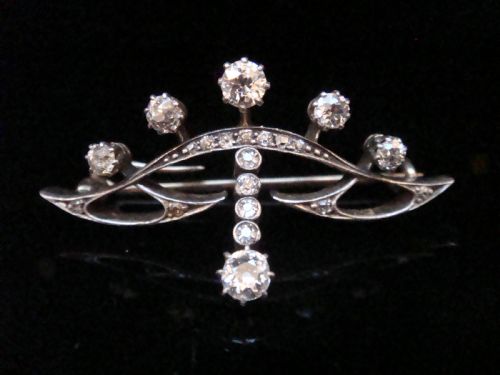
An edwardian platinum brooch brings together the bright strength of early twentieth-century metalwork and the unmistakable fire of old cut diamonds.
Edwardian Platinum Brooch
When searching for an edwardian platinum brooch, collectors encounter delicate bar pins, elaborate pendant brooches, and figurative designs that span the transition from Victorian aesthetics into the bold geometries of Art Deco.
The pieces appearing here include strict Edwardian creations alongside items produced across the 1910s and 1920s, utilising platinum settings often backed or combined with yellow gold, white gold, or silver.
Makers and workshops of the period frequently deployed natural pearls, aquamarines, rubies, sapphires, and emeralds alongside the predominant diamond settings to create versatile pieces that also functioned as pendants or hair ornaments.
Materials and Technique
The introduction of platinum changed high-end jewellery by allowing workshops to construct exceptionally fine, knife-edge mounts that held diamonds securely with minimal visible metal.
Master jewellers combined this platinum front work with 18ct yellow gold, 15ct gold, or white gold backing structures, utilising hand-pierced openwork and millegrain edging to catch the light.
Gemstones such as old mine cut diamonds, rose cut diamonds, and natural pearls were hand-set using traditional bezel and grain setting techniques that required immense precision.
A flying duck brooch proves that Edwardian jewellers possessed a charming sense of humour alongside their technical mastery.
Evaluating the Pieces
The distinction between ordinary production and superior work rests on the finesse of the pierced metalwork and the crispness of the millegrain borders framing the stones.
Superior items maintain structural integrity without heavy repairs, preserving original pin mechanisms, catches, and detachable pendant Bails where applicable.
The overall harmony of stone selection, particularly the matching of old cut diamonds and the quality of accompanying pearls or calibre-cut sapphires, dictates the standing of the piece.
CARTIER
The Edwardian Platinum Brooch Glossary
- Millegrain
- A decorative technique featuring a row of tiny raised metal beads along the edge of a setting. This softens the transition between metal and stone.
- Old Cut Diamond
- A diamond cut by hand before modern standards, characterised by a small table, high crown, and large culet. These stones display a distinctive, softer candlelight sparkle.
- Bar Brooch
- A horizontal pin featuring gems arranged along a slender metal bar. They were pinned to lapels and collars.
- Lavaliere
- A pendant that hangs from a necklace or brooch, often incorporating swinging gemstone drops. This style defined the elegance of the early twentieth century.
- Jabot Pin
- A decorative pin originally used to fasten folds of fabric on men's neckwear. Later pieces served as versatile dress clips.
Edwardian Platinum Brooch: Frequently Asked Questions
How do I wear an edwardian platinum brooch today?
These pieces pin securely onto heavy winter coats, velvet lapels, scarves, and structured knitwear. Many items also feature hidden loops allowing them to convert into pendants on a chain.
Heavier bar pins and ribbon bows anchor well to thick fabrics, while lighter stickpins suit delicate silks and lapel buttonholes.
Are these brooches convertible into necklaces?
Several examples in this category were constructed with detachable fittings, screw mechanisms, or hinged bails. This allowed the original owner to transition a jewel from bodice to chain.
Examining the reverse reveals small loops or folding attachments designed for this dual purpose.
How can I tell an Edwardian piece from an Art Deco one?
Edwardian designs lean heavily towards garlands, bows, natural pearls, and flowing Edwardian motifs set in delicate platinum lace. Art Deco items introduce rigid symmetry, geometric lines, and bolder stone cuts.
Pieces from the transition period often combine the fine openwork of the earlier decade with the starker outlines of the nineteen-twenties.
What is platinum-tested metal?
Platinum-tested means the metal has undergone professional chemical or X-ray fluorescence testing to confirm its composition. Because early pieces frequently paired platinum tops with gold backs, testing clarifies the exact alloys used.
This verification ensures the mounting matches the expected period standards for high-end workshop production.