



Edwardian Pine Furniture
Edwardian pine furniture brings honest utility and warm timber tones into modern interiors, offering sturdy chests, washstands, and wardrobes built for everyday domestic life.
Edwardian Pine Furniture
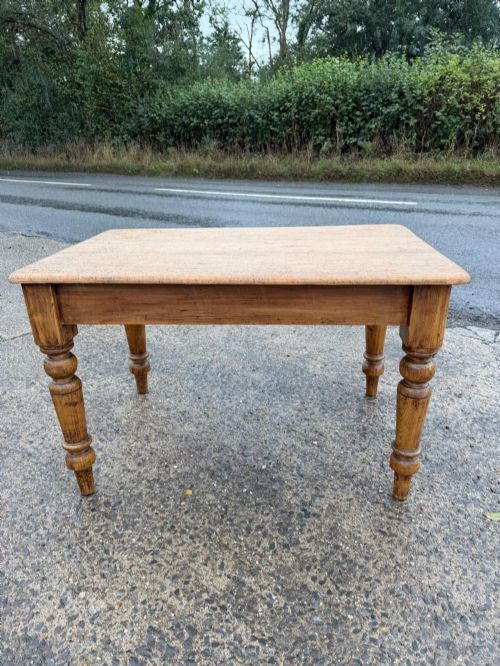
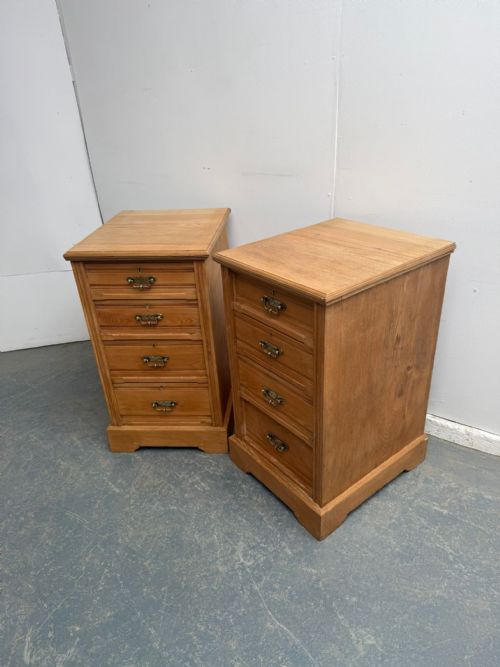
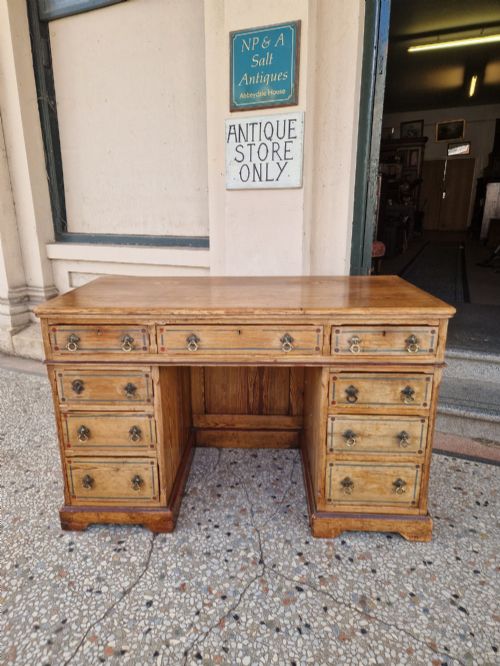
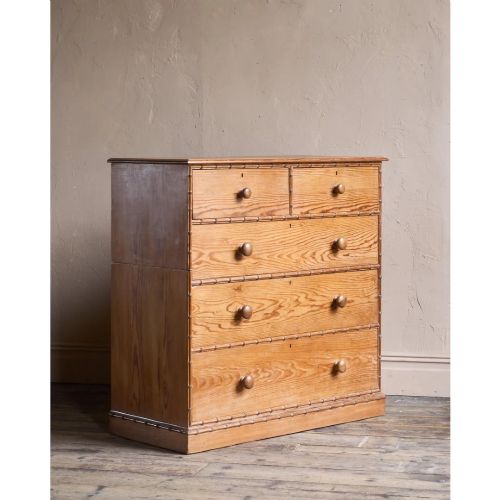
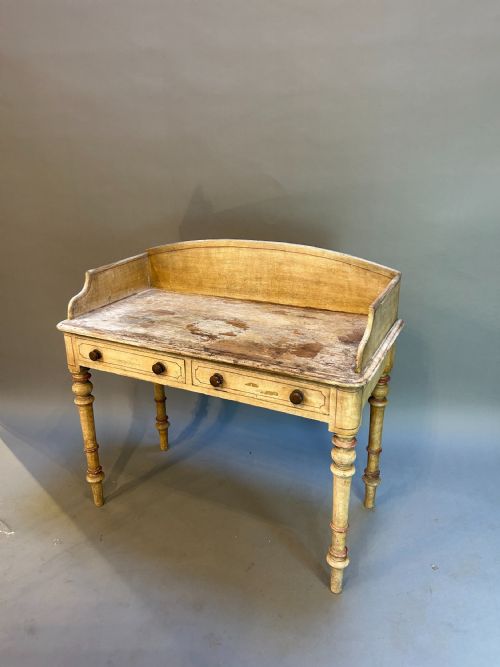
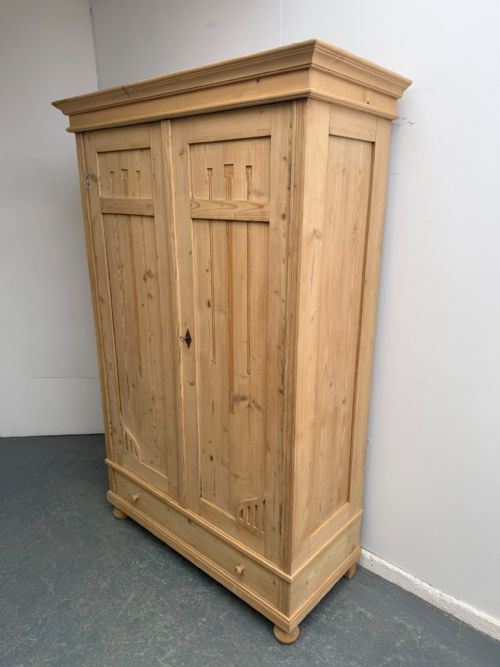
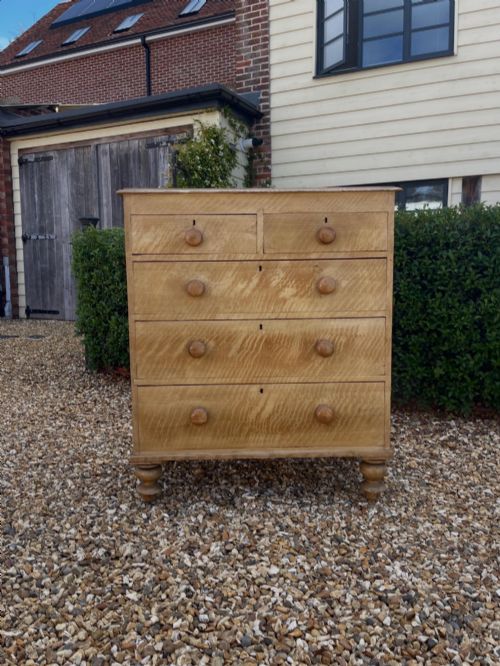
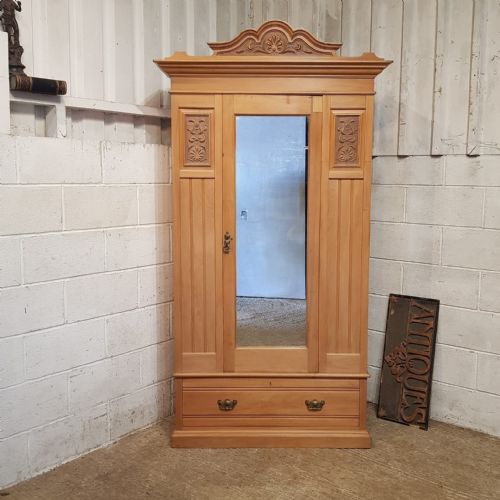
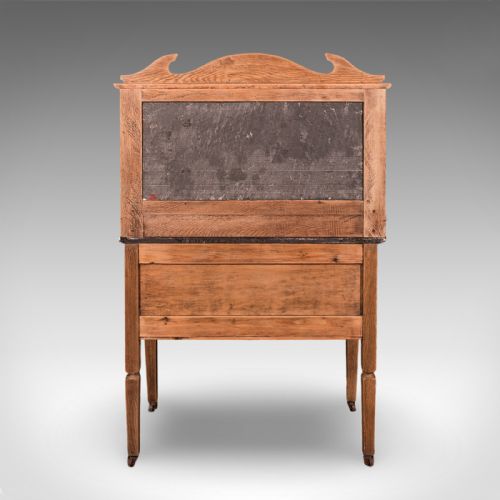
Edwardian pine furniture covers practical domestic pieces produced around the turn of the twentieth century, combining straightforward utility with the softer decorative touches characteristic of the period. Buyers seeking edwardian pine furniture will encounter essential household items such as washstands, chests of drawers, wardrobes, and desks designed for everyday use.
Materials and Construction
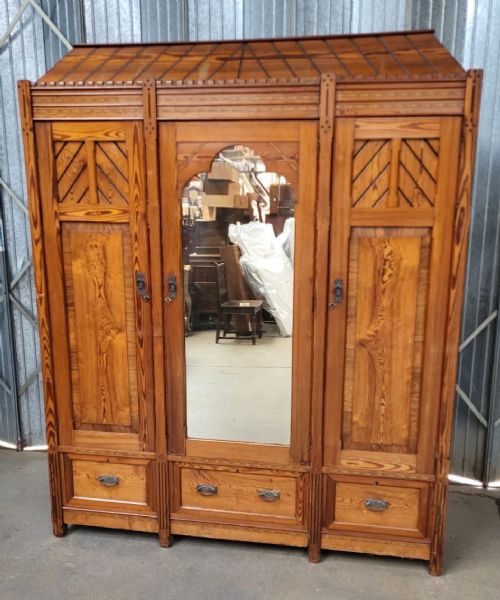
Construction relies primarily on solid pine and pitch pine, chosen for durability and abundance, often shaped into sturdy carcases for wardrobes, chests, and tables. Makers utilised straightforward joinery methods to build utilitarian items, occasionally enhancing surfaces with wax finishes or decorative scumble glaze.
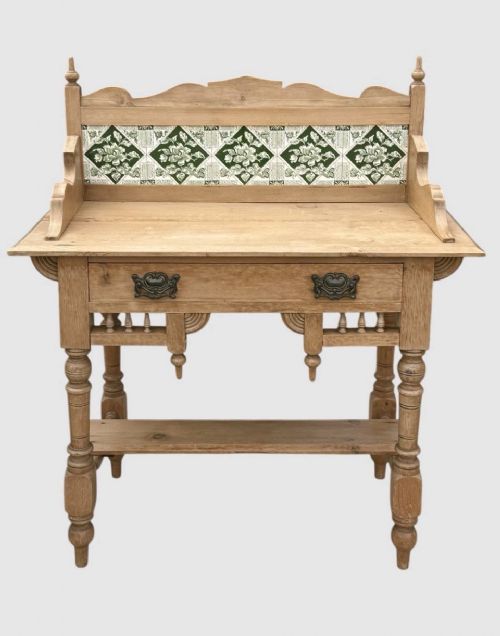
Hardware elements incorporate brass, iron, and ceramic fittings, while specific forms feature integrated tile backs on washstands or leatherette upholstery on box settles. Paint surfaces, whether original or applied later, preserve the underlying timber while providing distinct decorative character to washstands and writing tables.
A sturdy wooden pigeon hole cabinet waits ready to organise correspondence with turn-of-the-century efficiency.
Evaluating Quality and Finish
Quality in these pieces rests upon the integrity of the timber selection, particularly the dense grain found in pitch pine examples, and the survival of original surface treatments such as scumble glaze or early paint. Well-preserved joinery and intact original hardware, including brass pulls and ceramic tiles, distinguish superior items from standard utilitarian pieces.
Howard and Sons
The Edwardian Pine Furniture Glossary
- Pitch pine
- A dense, resinous softwood with a pronounced grain pattern frequently utilised for durable furniture and desks during the period.
- Scumble glaze
- A decorative paint technique applied to imitate finer wood grains or create mottled surface textures on pine furniture.
- Washstand
- A domestic table or cabinet designed to hold a basin and pitcher, often featuring a protective tile gallery back.
- Wellington chest
- A tall, vertical chest of drawers secured by a hinged locking side stile that fastens over the drawer fronts.
- Box settle
- A high-backed wooden bench incorporating a storage compartment beneath the seat, sometimes upholstered in leatherette.
Edwardian Pine Furniture: Frequently Asked Questions
What pieces are included in edwardian pine furniture?
The category encompasses functional household furnishings from the early twentieth century, focusing primarily on bedroom and study pieces. Buyers regularly find chests of drawers, washstands, wardrobes, desks, and towel rails.
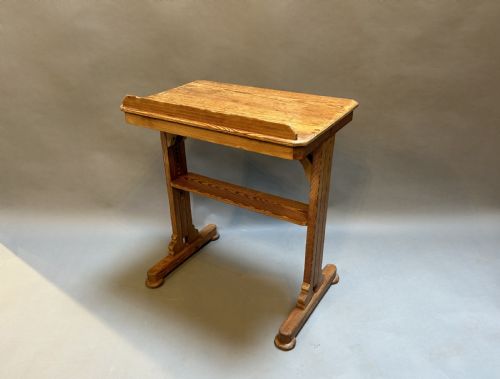
Alongside domestic items, the selection includes specialised pieces like pitch pine school benches, office cabinets, and scumble-glazed dressing tables designed for practical service.
How do I care for waxed pine surfaces?
Waxed pine benefits from occasional application of quality beeswax to nourish the timber and maintain a soft, protective sheen. Avoid placing pieces near direct heat sources or in damp environments to prevent wood movement.
Dust regularly with a dry cloth and buff gently along the grain. Liquid spills should be wiped away immediately to protect the waxed finish.
Are washstands still useful today?
Original washstands serve effectively as distinctive vanity units, hallway storage points, or side tables in modern bathrooms and bedrooms. Their marble or tile splashbacks and compact drawers offer practical surface space.
Many retain their original proportions, making them adaptable for contemporary living spaces where compact wooden furniture is required.
How do I distinguish pitch pine from standard pine?
Pitch pine displays a heavier, more prominent grain pattern with a higher resin content, giving the timber a distinct reddish-brown tone. It feels noticeably heavier and denser than standard white pine.
Standard pine tends to have a paler, more uniform appearance with fewer resin streaks, though both materials were widely employed across the period.