
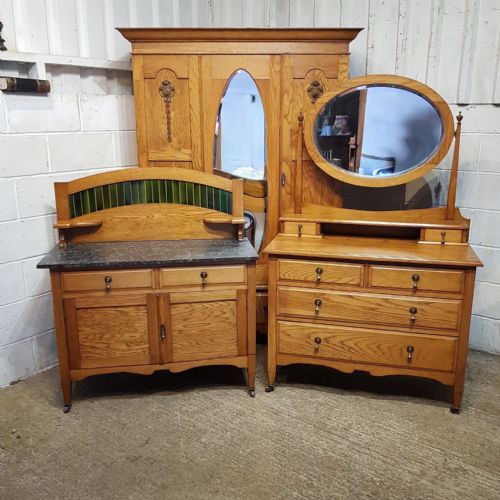
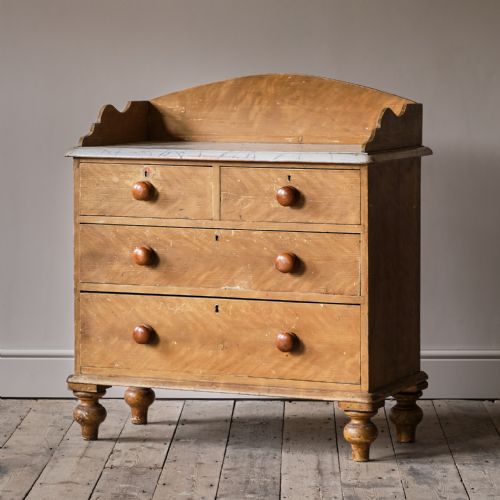
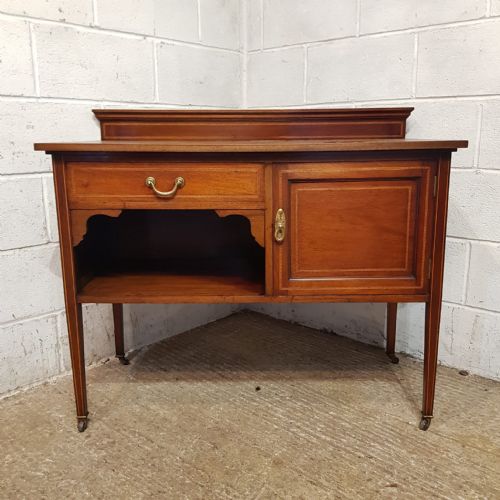
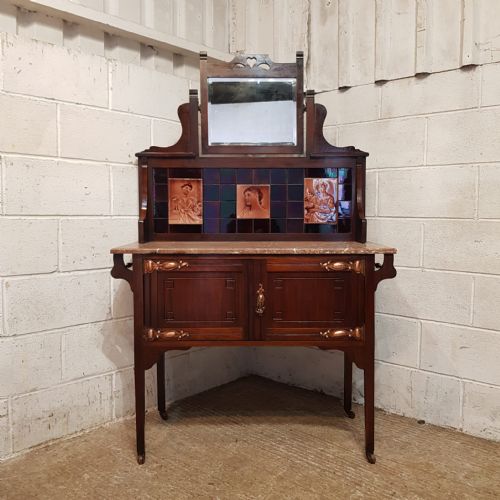




Vintage Bedroom Washstand
A vintage bedroom washstand brings period utility to the room, offering solid timber frames, stone surfaces and space for ceramic basins.
Vintage Bedroom Washstand
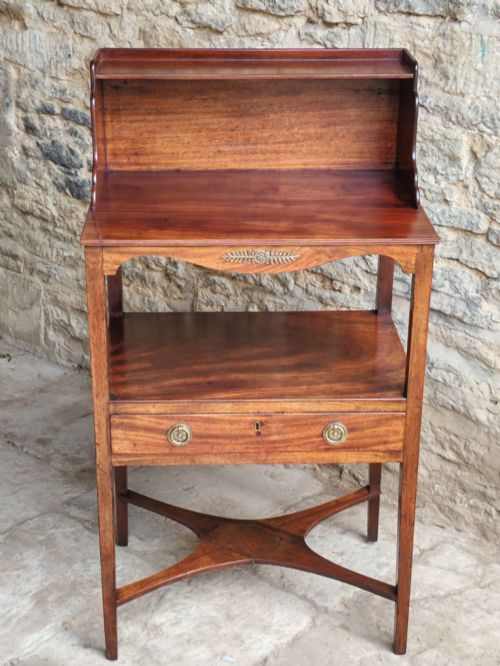
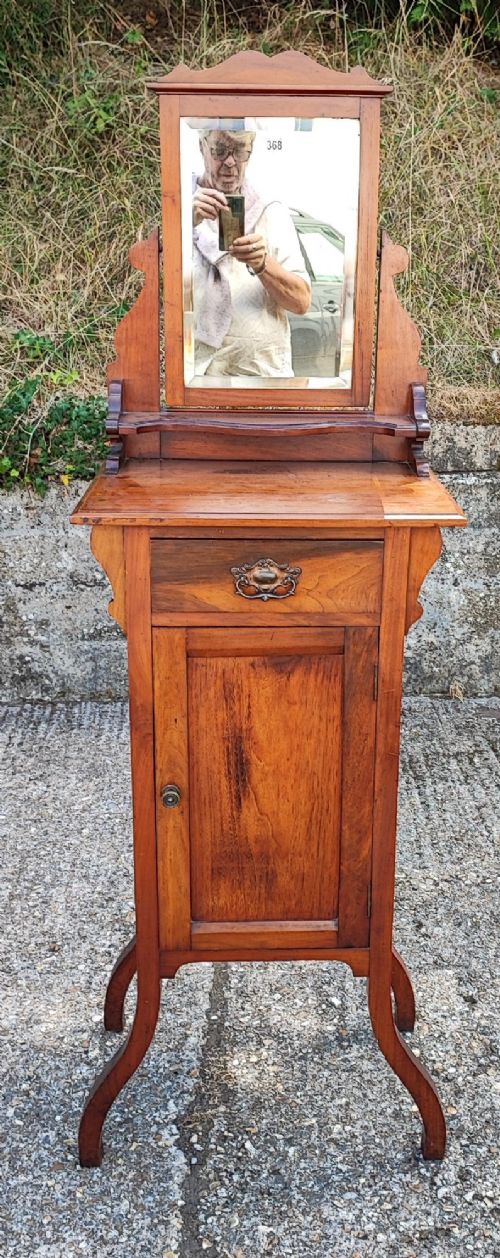
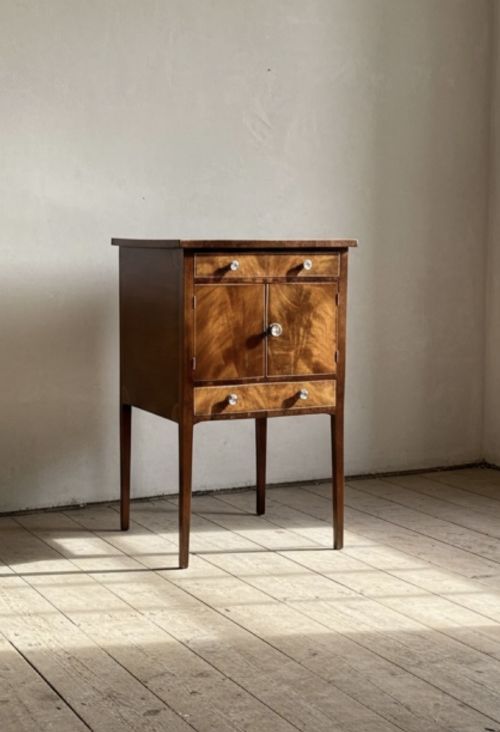
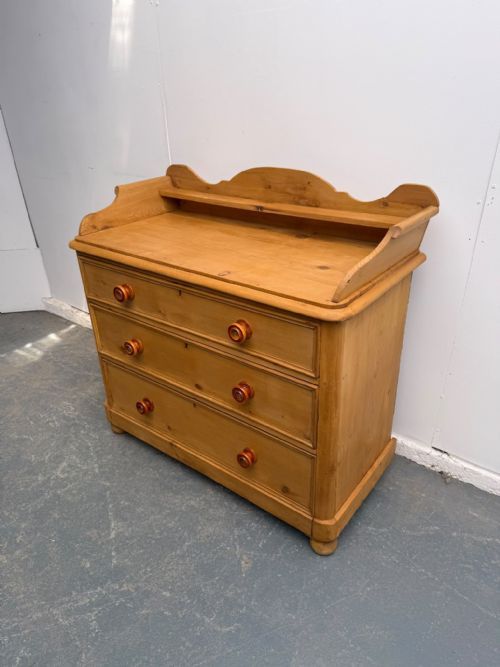
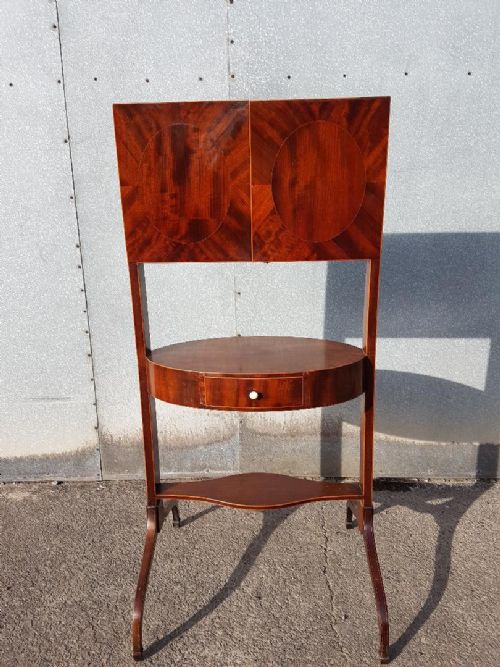
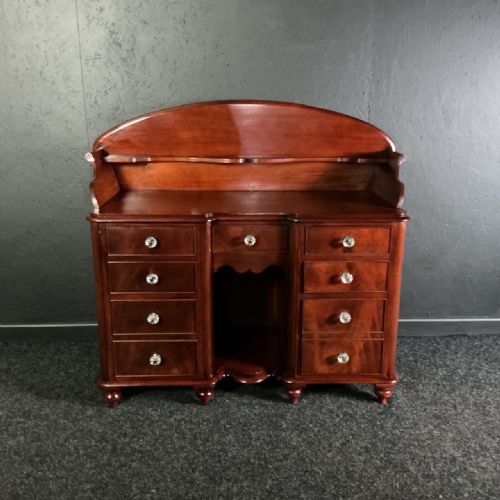
A vintage bedroom washstand serves as a traditional piece of chamber furniture designed to hold washing basins and pitchers before plumbed bathrooms became standard. When searching for a vintage bedroom washstand, buyers encounter various forms spanning the nineteenth and early twentieth centuries, including corner units, cabinet styles and larger marble-topped variants.
The pieces appearing on this page originate from periods such as the Victorian and Edwardian eras, alongside earlier Georgian examples and later twentieth-century items. Alongside dedicated washstands, related bedroom furniture such as dressing tables, bedside cabinets and chests of drawers frequently appear within the listings.
How they were made
Cabinet makers utilised dense hardwoods like mahogany and oak alongside durable softwoods such as pine to build the primary carcass and framing. Surfaces often featured polished wood finishes, painted treatments or wax coatings suited to domestic bedroom environments.
Stone integration formed a central part of construction for finer washstands, employing heavy marble slabs or rouge marble tops to provide a waterproof surface. Ceramic components, including jug and bowl sets and chamber pots, were separately fired and glazed to complement the wooden furniture.
Listings feature items from the Edwardian, Victorian and Georgian periods, constructed from mahogany, marble, pine, oak, walnut and satinwood.
What varies in quality
The selection of materials dictates much of the distinction between standard and superior pieces, moving from simple painted pine up to figured mahogany, walnut and satinwood. Finer specimens integrate heavy marble tops and decorative tiled splashbacks rather than plain timber surfaces.
Joinery and hardware execution define the construction standard across different examples. Robust framing, well-fitted drawers and original brass fixtures indicate higher workshop standards during the Victorian and Edwardian periods.
Harrods
The Vintage Bedroom Washstand Glossary
- Washstand
- A piece of bedroom furniture designed to hold a basin, jug and washing accessories. These items date primarily from the nineteenth and early twentieth centuries.
- Marble top
- A stone slab fitted to the upper surface of a washstand to resist water damage. Rouge marble variants feature distinct reddish veining.
- Gallery back
- A raised wooden or tiled upstand along the rear edge of a washstand or chest of drawers. This feature protects bedroom walls from splashes.
- Chamber pot
- A ceramic pot kept in a bedroom for night-time use. These vessels often match the jug and bowl sets found with washstands.
- Faux bamboo
- A decorative carving technique that shapes wood to resemble natural bamboo stalks. This style appears on nineteenth-century bedroom furniture.
Vintage Bedroom Washstand: Frequently Asked Questions
What is a vintage bedroom washstand?
A vintage bedroom washstand is a historic piece of furniture designed to hold a water jug and basin for morning ablutions. These items were essential domestic fixtures before modern plumbing.
Today, buyers repurpose them as hallway tables, bathroom sink surrounds or decorative bedroom storage units.
How do I date a washstand?
Dating relies on identifying the prevailing timber, construction methods and stylistic markers of the piece. Victorian and Edwardian examples often feature specific hardware, marble tops and tiled splashbacks.
Earlier Georgian pieces tend to utilise simpler mahogany frames, sometimes built specifically to fit into room corners.
Are marble tops original?
Many marble slabs and rouge marble tops are original to the washstands they accompany, fitted specifically to withstand water splashes. Heavier stones sit directly within the wooden framing of the upper surface.
Checking the fit against the wooden rebate helps confirm whether the stone belongs to the piece.
How do I clean a marble top?
Marble surfaces require gentle cleaning with mild, pH-neutral soap and warm water to avoid damaging the stone. A soft cloth prevents scratching the polished finish.
Harsh chemical cleaners and acidic substances should be avoided entirely to preserve the natural polish.
What wood types were used?
Cabinet makers utilised a range of timbers depending on the period and the intended quality of the furniture. Mahogany, oak, walnut and satinwood appear frequently on finer pieces.
Pine was widely employed for simpler washstands and country house utility items, often featuring painted or waxed finishes.