



Edwardian Pine Cupboard
An edwardian pine cupboard brings honest utility and warm timber grain into a modern interior.

Edwardian Pine Cupboard
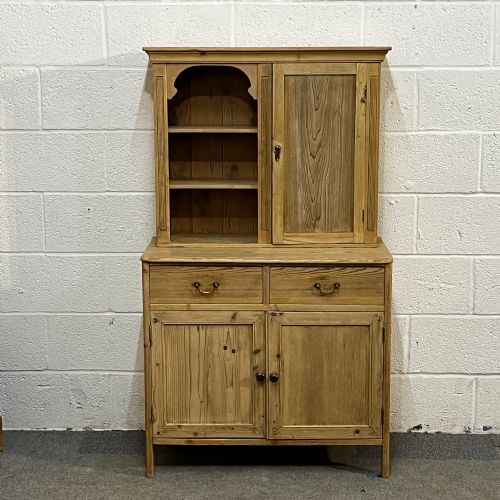
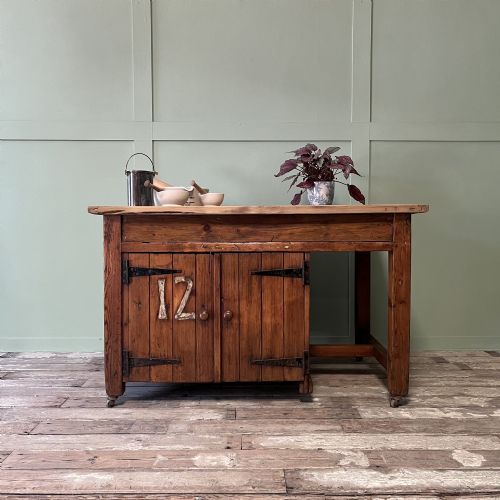
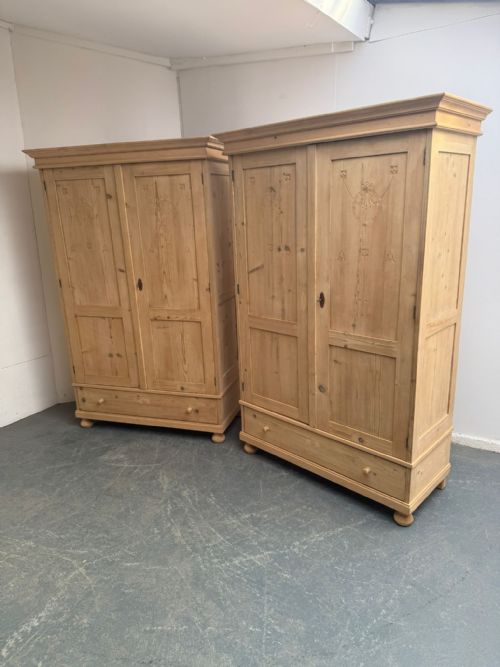
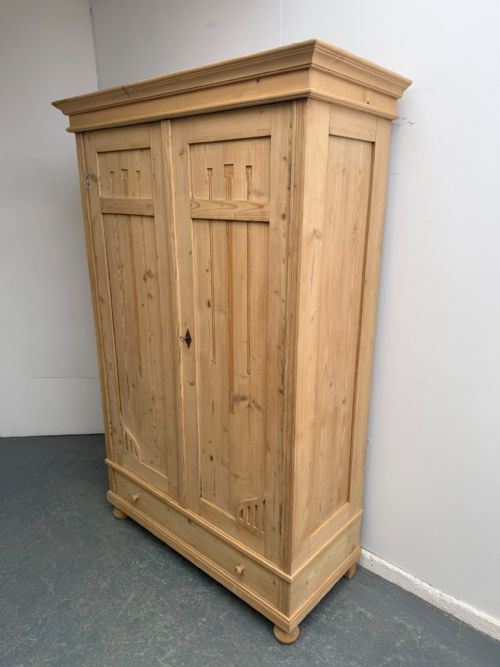
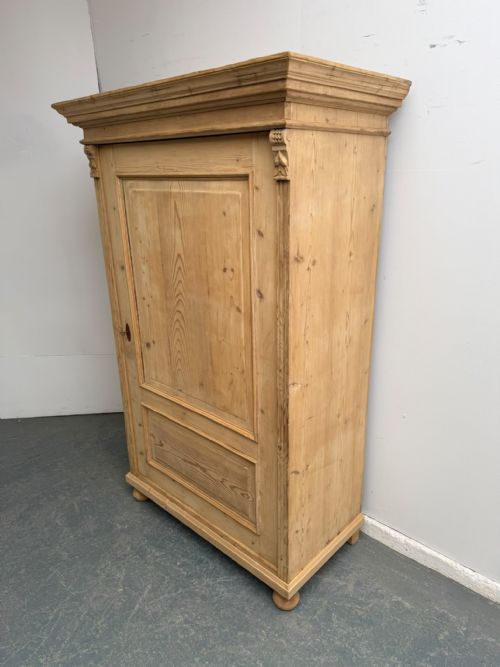
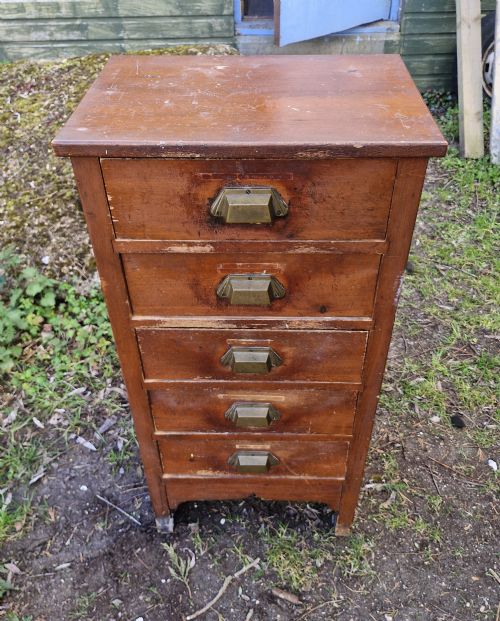
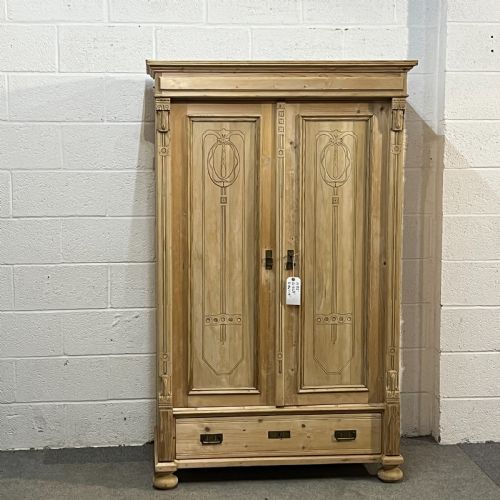
When you search for an edwardian pine cupboard, you encounter practical storage pieces built during the early twentieth century alongside related forms from the broader nineteenth century. These utilitarian items range from compact bedside units and small storage cabinets to tall kitchen cupboards, larder cupboards, and standing hall wardrobes.
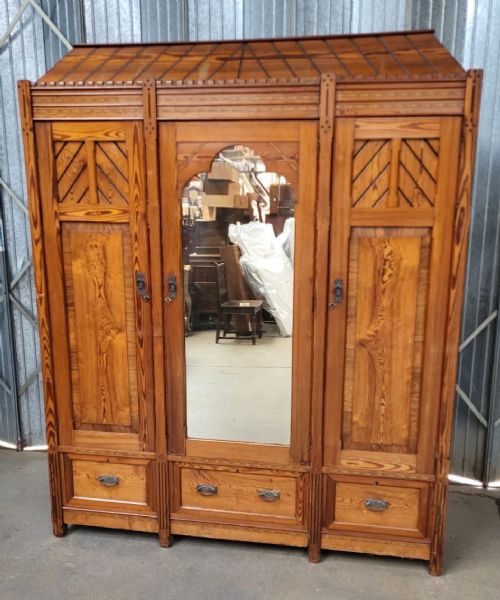
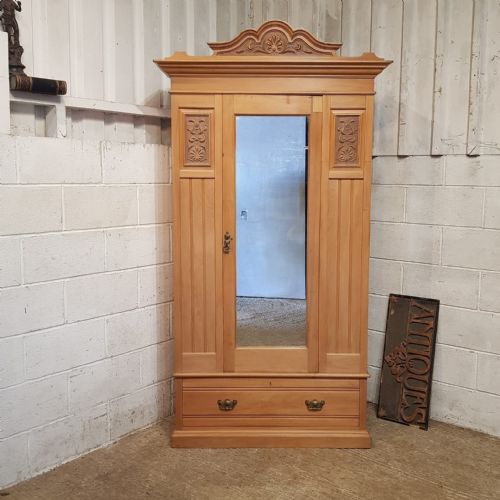
The pieces appearing on this page span several design movements, including Edwardian utilitarian, Arts and Crafts, and Rustic Farmhouse. You will frequently find single-door storage cupboards, bedside lockers, and taller housekeepers or school cupboards finished in bare waxed pine, traditional paint, or stain.
How They Were Made
These pieces are constructed primarily from solid pine and pitch pine, selected for durability in domestic and commercial settings. Surfaces frequently show a waxed finish, original paint, or stained deal, reflecting the practical demands placed on everyday storage.
Hardware details such as brass and iron handles, alongside glass elements, are common fixtures on office cabinets, dressers, and wardrobes. Construction methods prioritize function, resulting in sturdy joints, adjustable shelving, and occasional knockdown designs for ease of transport.
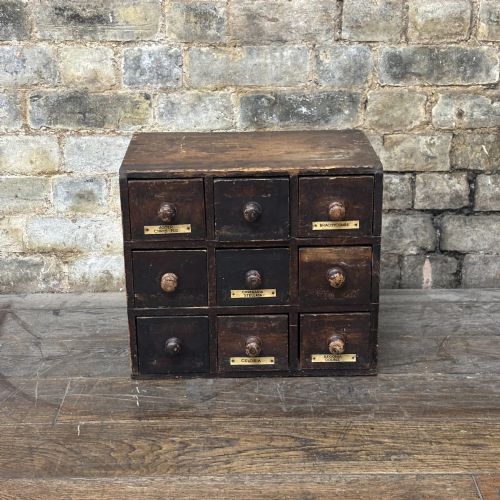
One extraordinary listing provides twenty-four small drawers for ultimate organisation.
What Varies in Quality
Quality in these utility pieces rests on the integrity of the timber and the retention of original surface treatments, whether historic paint or honest waxed grain. Better examples maintain their structural soundness, original brass or iron hardware, and functional elements like drawers and adjustable shelves without excessive modification.
The distinction between standard utility items and finer pieces often lies in subtle decorative details, such as carved panels, inlaid pitch pine, or Arts and Crafts styling. A well-preserved finish and sound joinery elevate a straightforward storage unit into a more distinctive piece of period furniture.
The Edwardian Pine Cupboard Glossary
- Pitch pine
- A dense, resinous softwood variety frequently used for durable furniture and large cupboards, valued for its pronounced grain patterns. It offers high resistance to wear.
- Fielded storage cupboard
- A cabinet featuring raised or recessed central panels on the doors, adding depth and structural stability to the woodwork. This construction method prevents warping.
- Deal
- A historical term for softwood timber cut from fir or pine, commonly utilised in utilitarian furniture and smaller cabinets. It provides a reliable surface for staining or painting.
- Housekeeper cupboard
- A tall, large storage unit traditionally used for linens and provisions, often featuring multiple doors or upper bookcase sections. These pieces anchored domestic organisation.
Edwardian Pine Cupboard: Frequently Asked Questions
How were these cupboards used?
These pieces served practical storage needs across domestic, school, and office environments, holding provisions, linens, files, and clothing.
Larger standing cupboards functioned as larders or housekeepers' stores, while smaller variants acted as bedside lockers or hallway storage.
Can I paint a waxed pine cupboard?
Many utility pieces are sold specifically prepared to wax or paint, allowing them to adapt easily to different interior colour schemes.
Original painted surfaces require careful consideration, whereas bare or waxed pine accepts new paint finishes readily after appropriate surface preparation.
What is the difference between pitch pine and standard pine?
Pitch pine contains a higher resin content, making it visibly denser and heavier with a more pronounced, stripy grain pattern.
Standard pine appears lighter in weight and colour, offering a more uniform appearance that responds well to traditional waxing.
How do I identify an Edwardian piece?
Edwardian furniture generally dates from the period around 1900 to 1910, showing simpler lines than ornate Victorian designs.
Look for influences from Arts and Crafts movements, lighter timber tones, and functional hardware associated with early twentieth-century utility.