


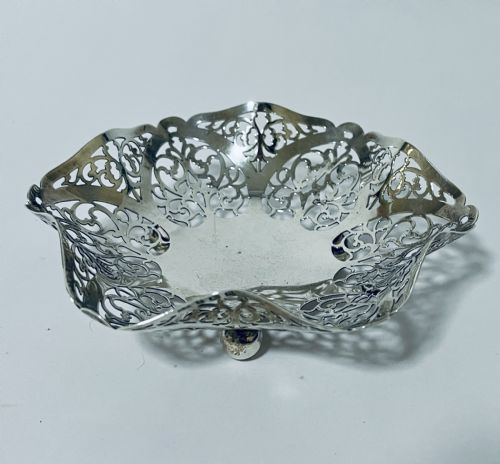


Edwardian Pin Dishes
Edwardian pin dishes are small decorative vessels for holding small personal items, chosen here for their refined craftsmanship and period charm.
Edwardian Pin Dishes
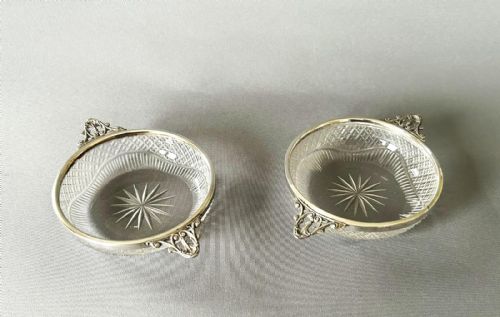
When you search for Edwardian pin dishes, you encounter a variety of small domestic vessels designed to hold pins, trinkets and calling cards on dressing tables and desks. The examples found here span the Edwardian era alongside adjacent Victorian and Art Deco periods, capturing the changing tastes of the domestic interior.
Materials and methods
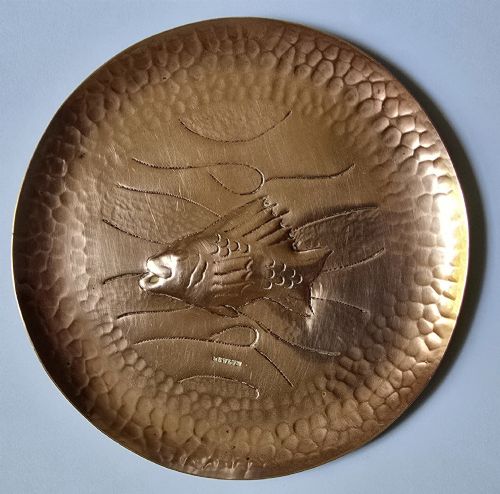
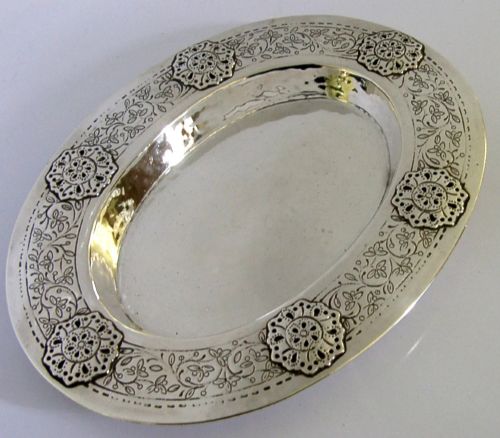
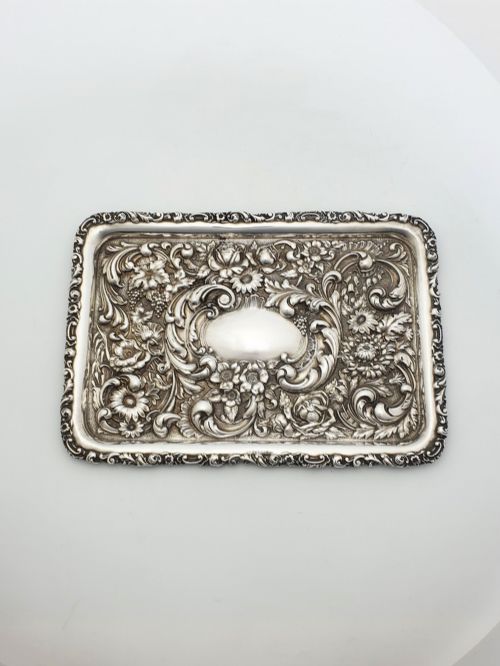
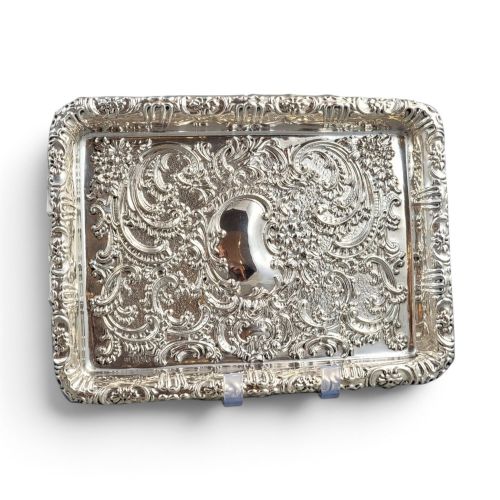
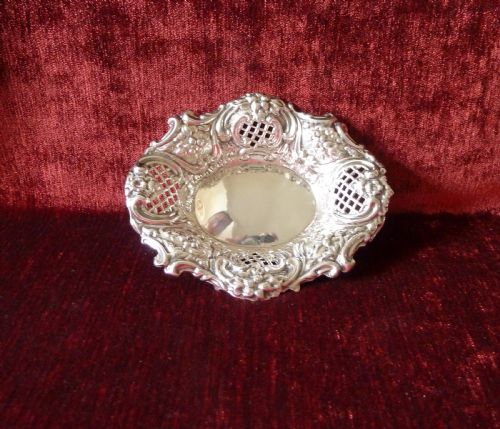
Makers utilised sterling silver shaped through repoussé and piercing techniques to create tactile floral reliefs and openwork patterns. Copper was hammered and stamped, particularly within the Arts and Crafts tradition, leaving direct evidence of the artisan's hand on the metal surface.
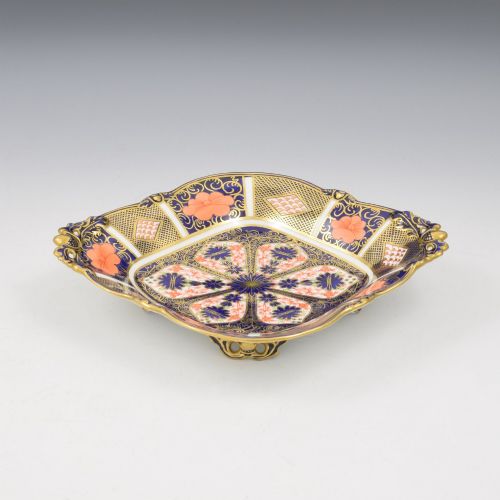
Porcelain and earthenware components were hand painted with botanical or fruit motifs, sometimes enhanced with gold leaf and gilt edges. Papier-mâché and pewter also appear, demonstrating a diverse range of manufacturing methods across different workshops.
Some copper trays bear the distinct hammer marks of the Newlyn workshop, where local fishermen learned metalwork during the winter months.
Judging quality
Quality rests on the crispness of the hand-chased detail in silver work and the precision of the hand-painted decoration on porcelain surfaces. Depth of repoussé relief and clarity of makers' marks separate standard production items from superior examples.
The weight of the metal and the complexity of the design, such as pierced fretwork or figurative scenes, indicate the level of craftsmanship invested in the piece.
William Neale·Liberty and Co·Robert Pringle and Sons·John Grinsell and Sons·William Comyns·Henry Matthews·Mappin and Webb
The Edwardian Pin Dishes Glossary
- Repoussé
- Metalworking technique where the design is hammered into relief from the reverse side. This method creates tactile ornamentation on silver trays and dishes.
- Pierced
- Metalwork or ceramics that have been cut through to create openwork patterns. It requires considerable skill to avoid distorting the surrounding material.
- Imari
- A style of ceramic decoration featuring underglaze blue and overglaze iron red and gold. English interpretations of this Japanese aesthetic appear on porcelain serving dishes.
- Faience
- Tinned-glazed earthenware associated with continental European potteries. These pieces bring colourful painted glazes to small pin trays.
- Blush ivory
- A matte cream ceramic ground developed by Royal Worcester, often decorated with floral sprays and gilt edges. It provides a soft backdrop for hand-painted details.
Edwardian Pin Dishes: Frequently Asked Questions
What were Edwardian pin dishes used for?
These small dishes were kept on dressing tables, entrance halls and drawing rooms to catch loose pins, hairpins, jewellery and visiting cards. They kept loose items orderly while adding a decorative touch to domestic furniture.
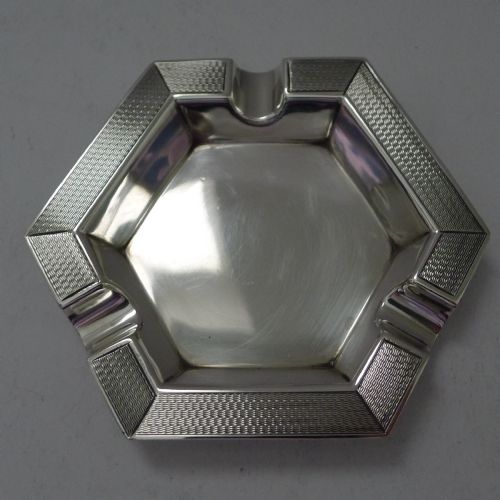
Over time, their uses adapted to changing fashions, serving variously as ashtrays, bonbon dishes and small serving trays for the table.
How do I care for silver pin dishes?
Sterling silver requires gentle cleaning with a soft cloth and proprietary silver polish used sparingly to preserve the fine details of repoussé work. Avoid harsh abrasive cleaners that can wear away the raised patterns and hallmarks.
Store them away from damp environments and direct sunlight to maintain the finish of the metal and any associated enamel elements.
How can I tell Edwardian pieces apart from Victorian ones?
Edwardian pieces often feature lighter, airier designs influenced by Art Nouveau and neoclassical revivals, whereas Victorian items tend towards heavier, more densely packed ornamentation. Examining the hallmarks on silver pieces provides an exact date for manufacture.
Stylistic shifts in ceramics, moving from rich Victorian florals to the stylised curves of the early twentieth century, also help distinguish the eras.
Are porcelain dishes durable for daily use?
Porcelain and bone china pieces are durable for light decorative use, but hand-painted surfaces and gilt edges require careful handling to prevent scratching. They are best kept as display items or used gently for their intended trinket-holding purpose.
Hand washing in lukewarm water with mild soap is recommended, avoiding dishwashers entirely.