



Edwardian Pill Box
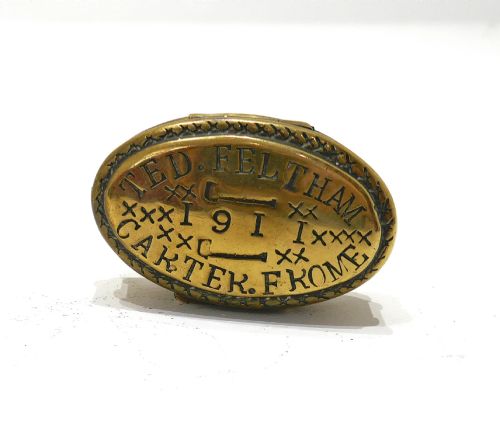
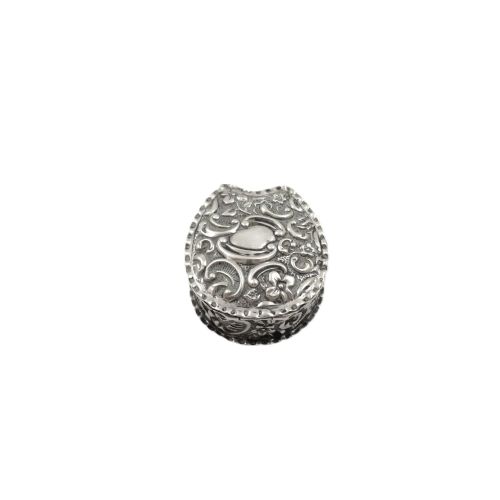
The edwardian pill box offers a neat study in miniature silver-smithing, designed to hold dry comforts or small treasures within reach.
Edwardian Pill Box
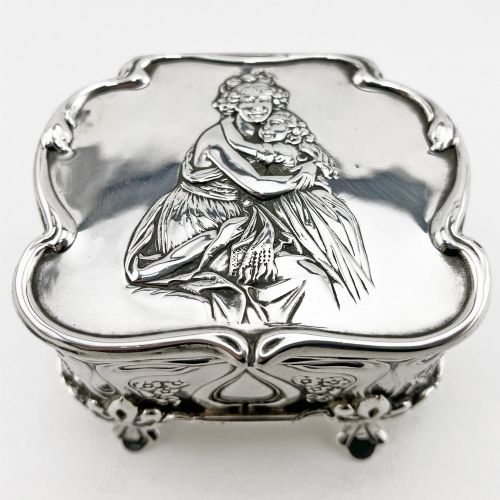
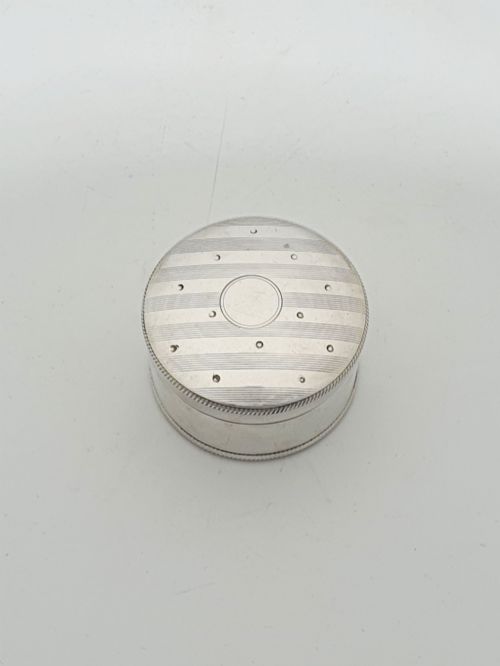
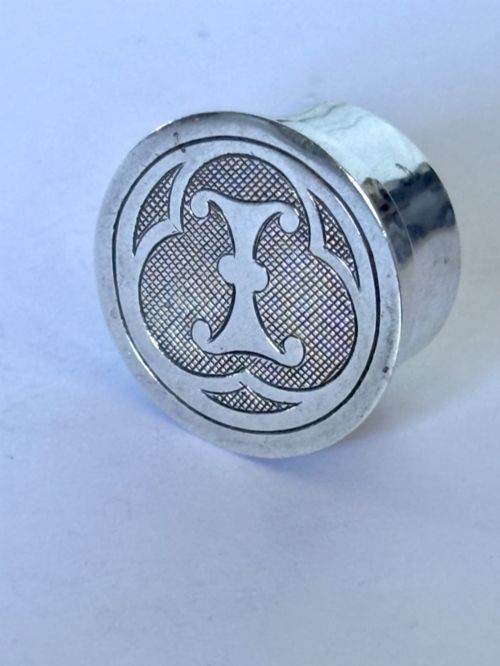
An edwardian pill box is a small lidded container produced around the start of the twentieth century, typically shaped as rounds, hearts, or squares. Buyers often encounter pieces marked by Birmingham or Chester assay offices from this era.
Beyond standard geometric forms, makers shaped these vessels into novelties such as animals, books, or post boxes. While many serve as pill containers, the category overlaps closely with small snuff boxes, trinket holders, and rouge pots.
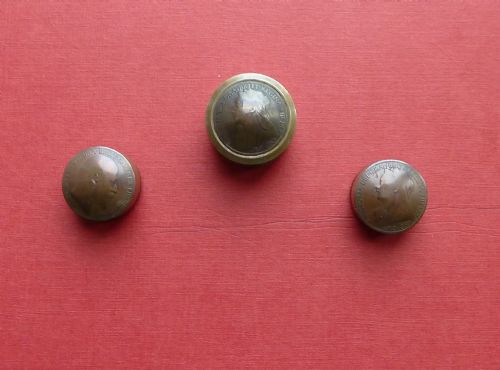
Most examples found on the market stem from the Edwardian period or the surrounding decades of the late Victorian and early George V reigns. Sterling silver forms the foundation of the majority, though brass and base metal versions appear alongside precious materials.
How They Were Made
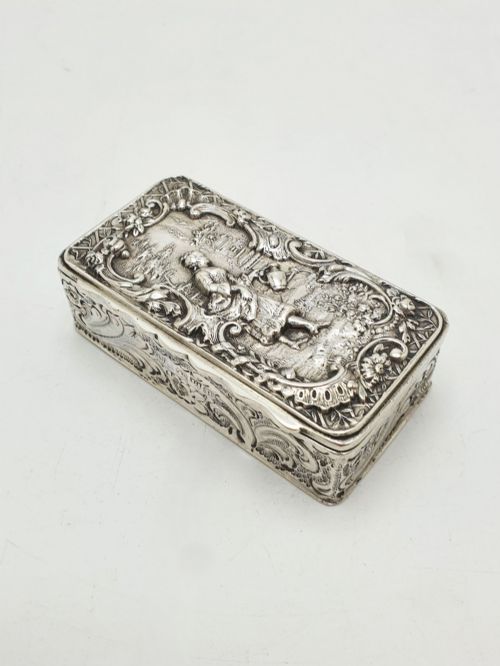
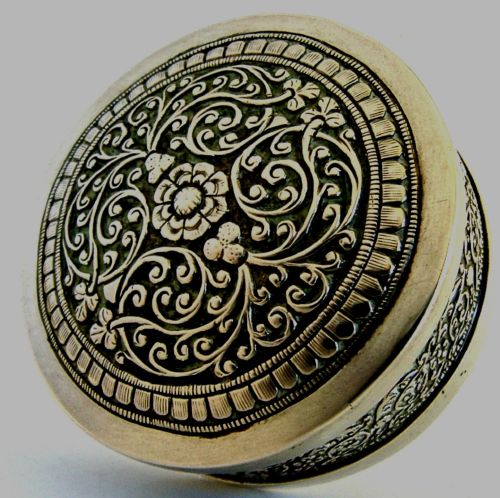
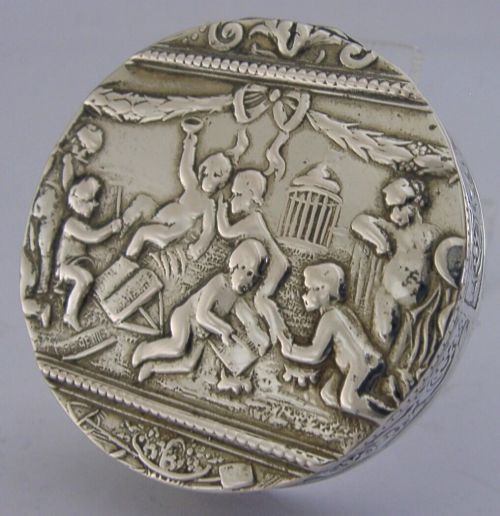
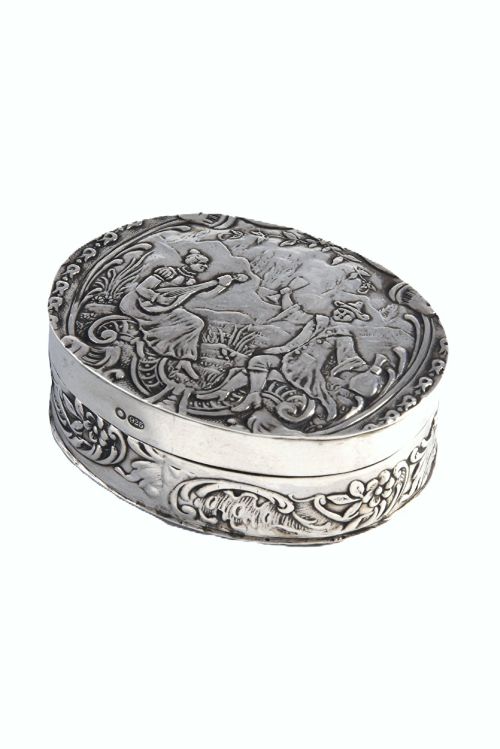
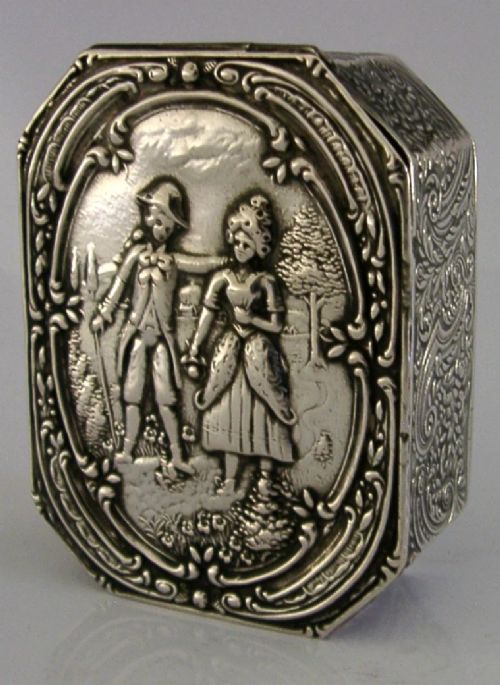
Silversmiths utilised sterling silver sheet, pressing or hammering the metal into dies to form hinged bodies and tight-closing lids. Spot-hammering and repoussé relief work created textured surfaces, while internal gilt washes protected the metal from corrosive contents.
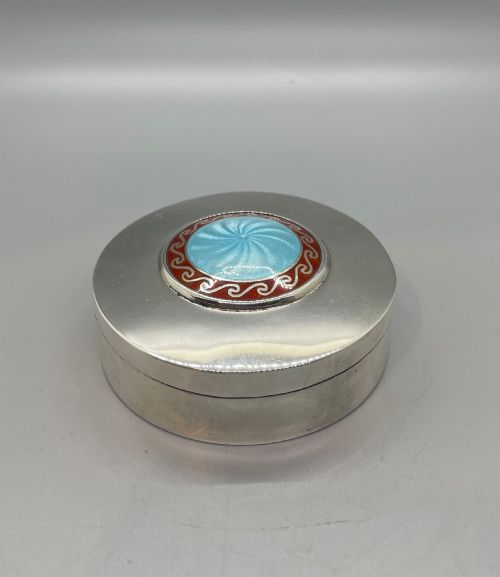
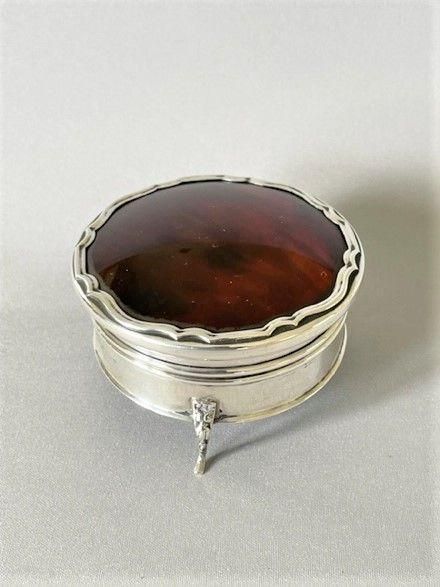
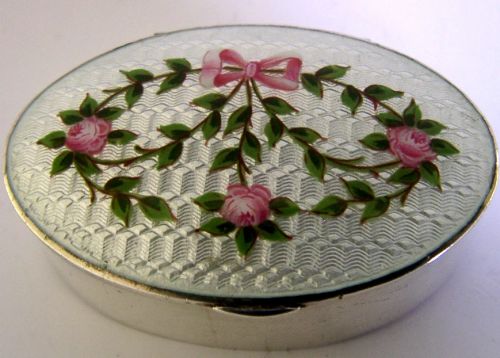
Decorative elements often involved vitreous enamel, including translucent guilloche patterns over engine-turned grounds. Workshops also set semi-precious stones, tortoiseshell, mother of pearl, and agate directly into the lids.
Maker marks, lion passants, and date letters were stamped directly into the metal to record the standard and origin. Cast elements, such as figural cherubs or animal finials, were soldered onto the main structure by hand.
Edwardian Pill Box Retail Price Guide 2026
Typical asking prices for edwardian pill box among the pieces listed under this phrase on Sellingantiques today, from the lower quarter to the upper quarter. They describe what is for sale here now, not the wider market.
What Varies in Quality
The precision of the hinge and the snugness of the lid closure distinguish finer pieces from simpler items. A well-made box shuts with a satisfying click and aligns perfectly at the seams without loose play.
The complexity of decoration separates standard production from exceptional work. Hand-painted enamel, intricate multi-coloured guilloche, and detailed repoussé work by recognised makers command greater attention than plain polished silver.
The weight and gauge of the silver plate influence the substance of the object. Heavier gauge metal resists denting and maintains crisp detail across embossed motifs and borders over decades of handling.
William Comyns·Hilliard & Thomason·Nathan & Hayes·Adie & Lovekin Ltd·James Fenton·Colen Cheshire
The Edwardian Pill Box Glossary
- Guilloche
- An intricate decorative engine-turned pattern engraved into metal beneath a translucent layer of enamel. This technique creates a shimmering wave or sunburst effect under the coloured glass.
- Repoussé
- A metalworking technique where the smith pushes the design out from the reverse side using hammers and punches to create a raised relief on the front. It is commonly seen on floral and figural lids.
- Pyx Box
- A small round container historically used to carry sacramental bread, adapted in the secular market as a compact pocket box for pills or small valuables. They usually feature secure push-on or hinged lids.
- Pique Work
- The art of inlaying tiny gold or silver pins into tortoiseshell or ivory to form geometric or floral motifs. This delicate decoration is typical of high-end vanity and trinket pieces.
- Assay Mark
- A stamp applied by an official office to guarantee the purity of precious metals. British pieces commonly show a leopard head or anchor alongside the sterling lion and date letter.
Edwardian Pill Box: Frequently Asked Questions
What were they used for?
These small vessels were carried in pockets or kept on dressing tables to hold medicinal pills, lozenges, or breath fresheners.
Wealthy Victorians and Edwardians utilised them for snuff, cosmetics, or stamps before modern packaging rendered them decorative items.
How do I date an edwardian pill box?
British silver pieces bear hallmarks that include a specific letter code corresponding to the year of assay and the town mark.
Stylistic clues such as Art Nouveau curves or specific floral motifs help narrow down the decade when hallmarks are rubbed.
Are enamel lids fragile?
Vitreous enamel is essentially glass fused to metal, meaning it can crack or chip if dropped against hard surfaces.
Careful handling and storage away from harder metal objects protect the smooth coloured surface from damage.
Why do some have gilt interiors?
Silversmiths applied a thin layer of gold wash, known as vermeil, to the inside of boxes meant to hold acidic or damp substances.
This gold coating prevented the silver from tarnishing or corroding when exposed to pills or cosmetics over time.