


Edwardian Pierced Bowl
When you handle an edwardian pierced bowl, you find intricate metalwork and glass liners that reflect early twentieth-century dining habits.
Edwardian Pierced Bowl
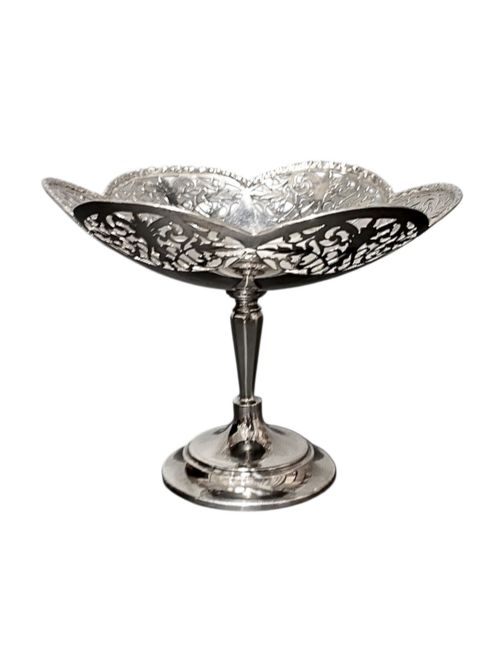
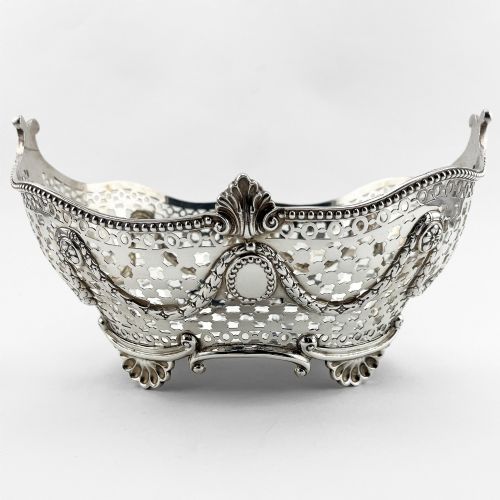
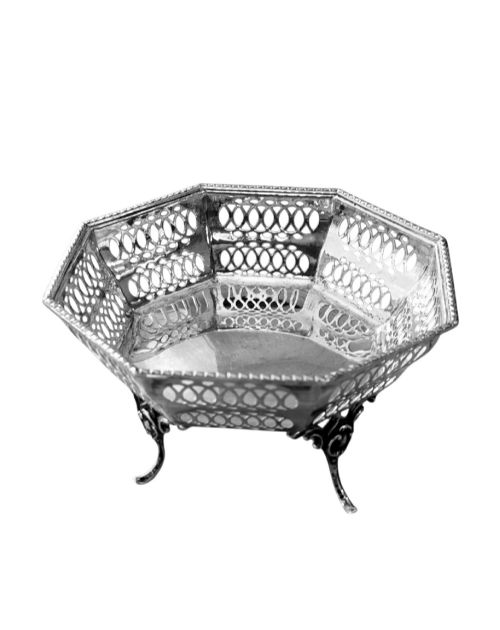
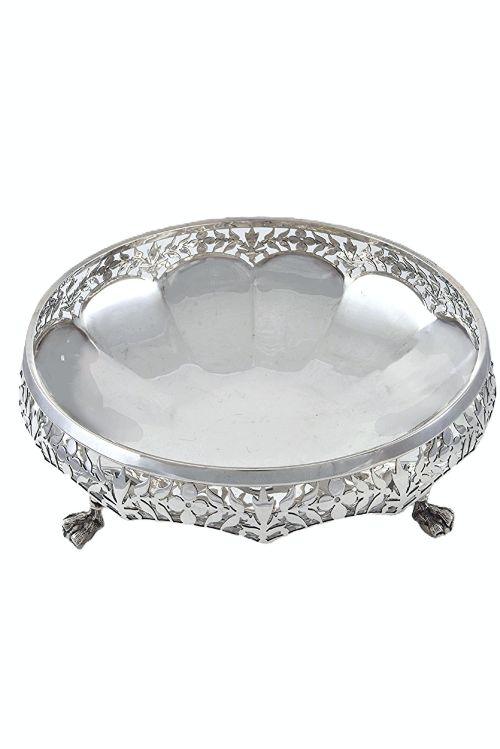
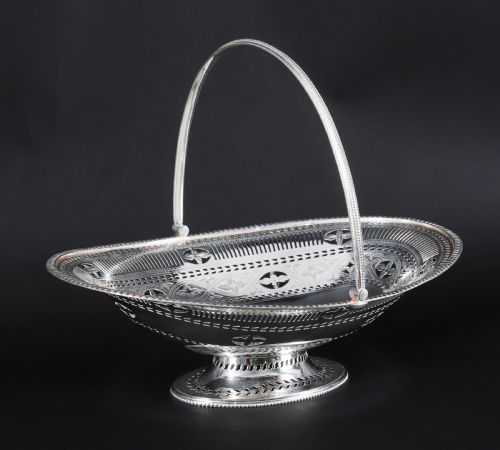
An edwardian pierced bowl encompasses a range of decorative vessels designed for functional use at the dining table, including sugar baskets, fruit baskets, bonbon dishes, and centrepieces. These items originate predominantly from the Edwardian period and the early twentieth century, though examples stretch from Victorian times into the 1930s.
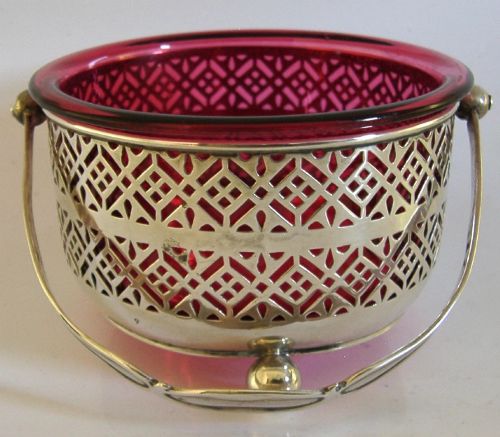
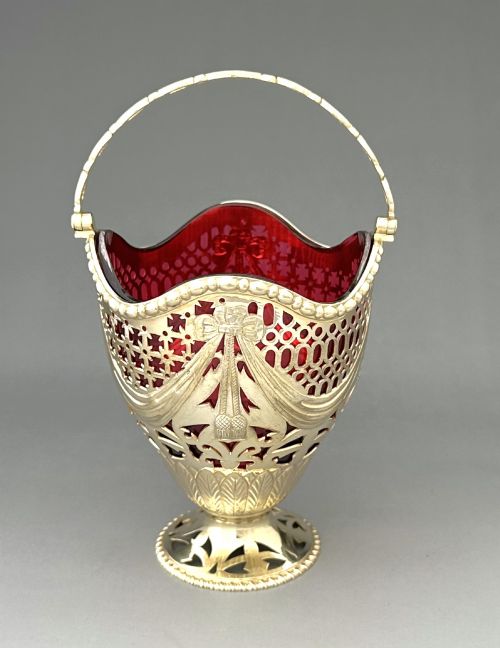
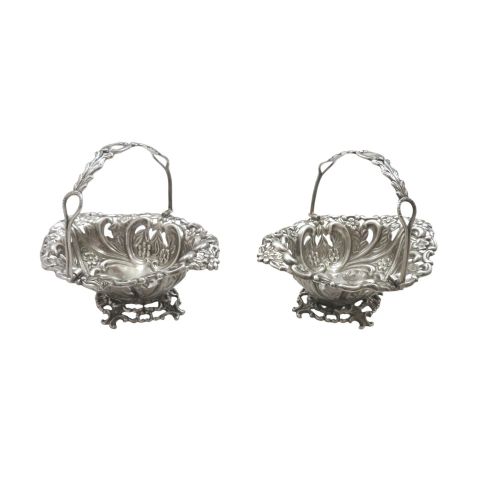
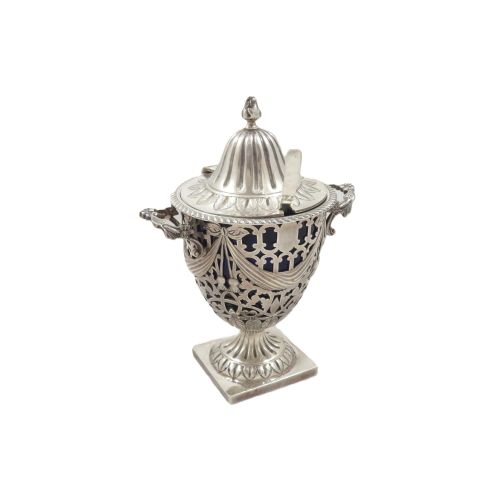
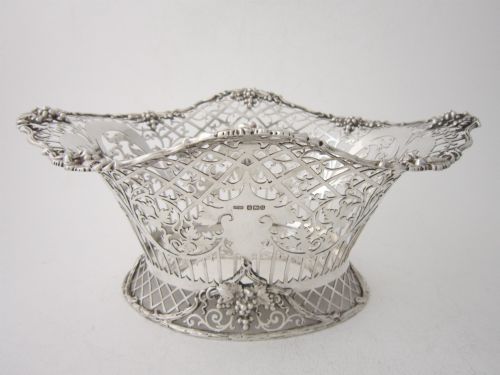
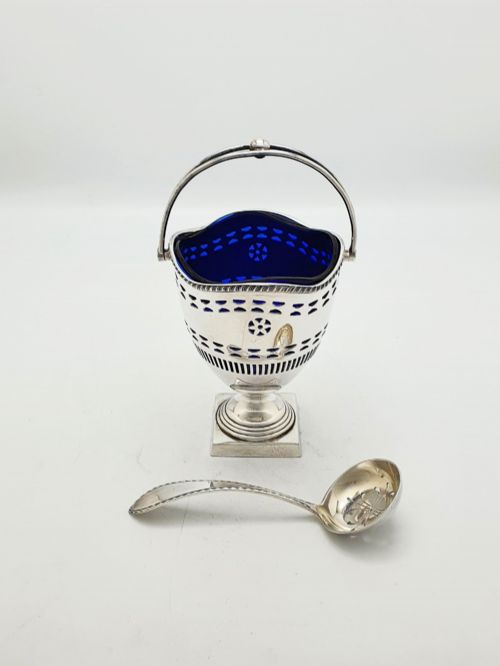
The most common versions met on this page are sterling silver or silver-plated baskets and bowls featuring openwork fretwork, lattice patterns, and swing handles. Makers often paired these metal frames with coloured glass liners in cobalt, cranberry, or ruby hues.
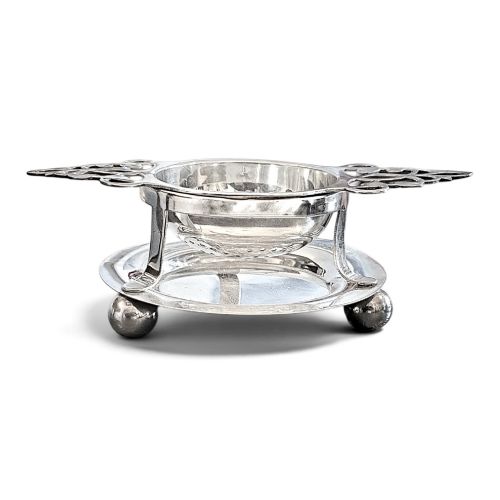
Beyond baskets, the category includes potpourri boxes, tea strainers with stands, quaichs, and pedestal dishes sharing the same pierced or fretwork decorative vocabulary. Pieces span English provincial and major city assay offices, reflecting the tastes of the period.
Materials and Techniques
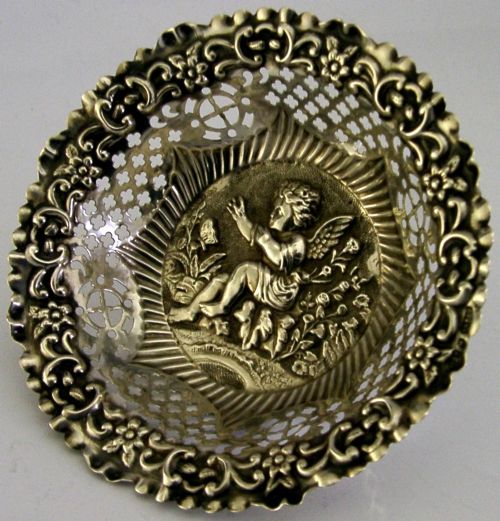
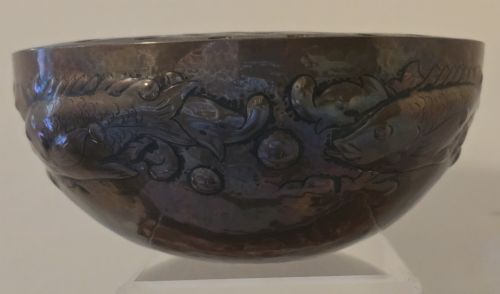
Makers utilised sterling silver and silver plate over base metals, alongside EPNS and copper for Arts and Crafts pieces. Craftsmen cut intricate lattice designs and fretwork into the metal body by hand or utilised piercing saws to create geometric and floral motifs.
Vessels that required colour incorporate blown glass liners in cobalt blue, cranberry, or ruby glass, which fit snugly inside the pierced metal frame. Silver gilt finishes and applied cast details add texture and weight to centrepieces and baskets.
Edwardian Pierced Bowl Retail Price Guide 2026
Typical asking prices for edwardian pierced bowl among the pieces listed under this phrase on Sellingantiques today, from the lower quarter to the upper quarter. They describe what is for sale here now, not the wider market.
Listings feature sterling silver, silver plate, copper, and EPNS, paired with cobalt, cranberry, and ruby glass liners across Edwardian, Victorian, and George V periods.
Distinguishing Quality
The distinction between standard production and superior execution lies in the crispness of the piercing and the weight of the metal. Heavier gauge silver provides structural rigidity to large baskets and centrepieces, preventing distortion along the pierced rims.
Superior items feature well-cast swing handles, clear hallmarks, and undamaged original glass liners that sit flush within the metal cage. Finer examples display meticulous attention to detail in engraved borders and applied mounts rather than stamped repetition.
Synyer & Beddoes·Hammond, Turner & Sons·Thomas Bradbury & Sons·Newlyn·Mappin & Webb·Walker & Hall·Elkington·Joseph Rodgers·Schierholz Plaue·Hammond, Creake & Co·William Hutton & Sons·Edward H Stockwell·Moorcroft Macintyre & Co
The Edwardian Pierced Bowl Glossary
- Piercing
- The technique of cutting decorative apertures through sheet metal to form openwork patterns. This method creates light, ornamental walls on baskets and bowls.
- Fretwork
- An interlinking pattern of openwork carved or pierced into metal. It defines the structural walls of Edwardian fruit and sugar baskets.
- Swing Handle
- A movable arched handle attached to the rim of a basket via pivot pins. This feature allows the handle to rest flat against the sides during storage.
- Silver Gilt
- Silver that has been coated with a thin layer of gold on its surface. This treatment provides a warm interior glow to vessels holding glass liners.
- Quaich
- A traditional two-handled drinking vessel of Scottish origin. Examples appear in solid silver with shallow circular bowls.
Edwardian Pierced Bowl: Frequently Asked Questions
What were pierced bowls used for?
These vessels held fruit, sugar lumps, bonbons, or potpourri during formal dining and drawing room entertainments. The openwork design allowed air to circulate around dried petals or displayed the coloured glass insert placed inside.
Items with swing handles functioned as portable baskets passed among guests at the table. Smaller dishes served individual portions of sweets or functioned as dressing table pin trays.
How do I clean silver with glass liners?
Remove the glass liner from the metal frame before cleaning to prevent moisture trapping between the two surfaces. Wash the glass separately in warm soapy water.
Use a soft cloth and a gentle silver polish on the metal, taking care around delicate pierced edges. Avoid harsh dipping solutions that can damage applied details or remove antique patina.
Are glass liners original to the bowls?
Original liners fit the contours of the pierced metal frame precisely without excessive movement. Look for matching wear patterns and appropriate glass types like cranberry or cobalt typical of the period.
Replacements remain common due to the fragile nature of blown glass over a century of use. A replacement liner does not preclude utility but alters the originality of the piece.
How do I identify an Edwardian piece?
Examine the piece for official hallmarks stamped by British assay offices such as Birmingham, Sheffield, or London. These stamps often include date letters specific to the Edwardian era between 1901 and 1910.
Stylistic cues include Art Nouveau influences, Neo-Classical revival motifs, and lighter fretwork compared to heavier Victorian predecessors. Maker marks cross-reference with historical trade records to confirm the exact year of manufacture.