



Edwardian Pet Portrait Painting
Edwardian pet portrait painting captures the domestic animals of the early twentieth century through detailed brushwork and careful observation.
Edwardian Pet Portrait Painting
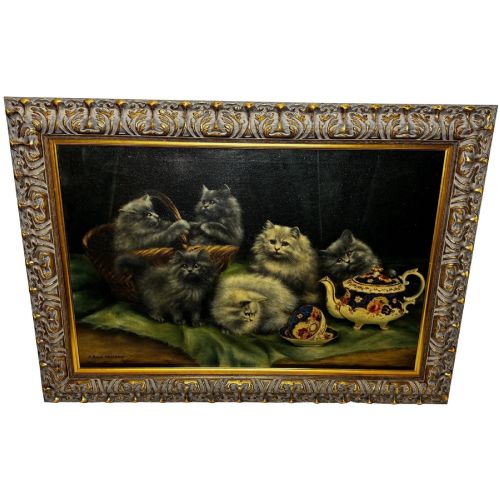
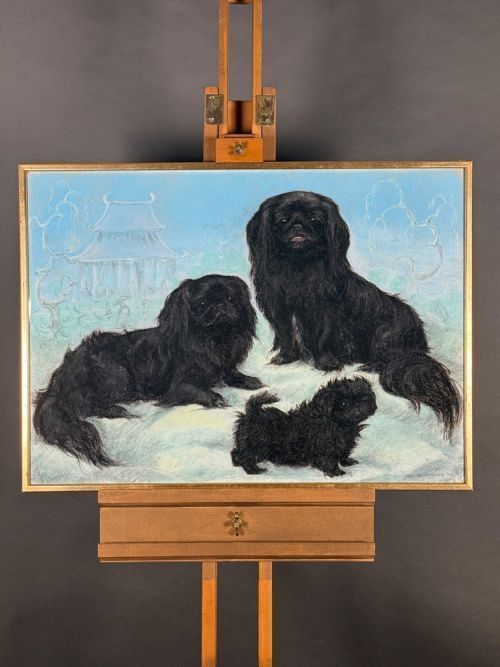
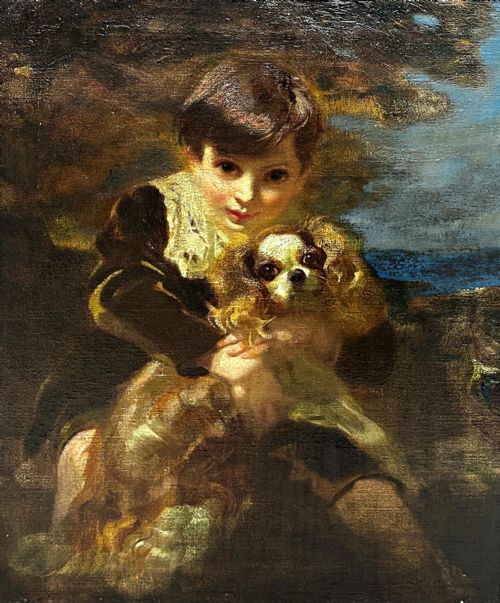
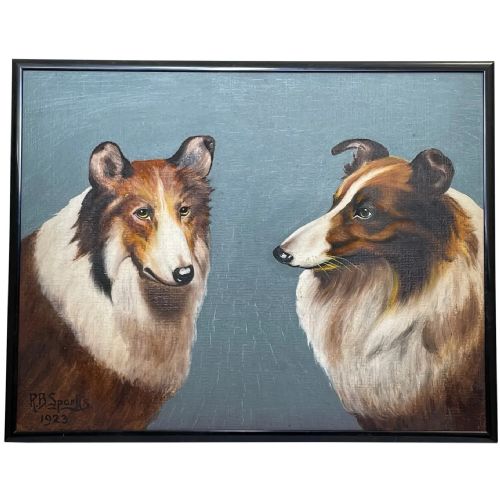
An edwardian pet portrait painting brings the beloved dogs and cats of the period into view, often rendered as singular studies or lively groups. These works capture specific animals like Pekingese, bulldogs, spaniels, and Persian kittens with a distinct sense of personality.
The pieces appearing here range from Victorian precursors and nineteenth century studies through to Edwardian works and later early twentieth century examples. Media span oil on canvas, oil on board, pastel on paper, and watercolour.
Framed artwork forms the primary offering, frequently retaining original giltwood or gold leaf surrounds. Subjects include lone champions, terrier pairs, and elaborate narrative scenes such as kittens at a tea party.
Materials and construction
Painters of the period utilised oil on canvas or board, applying pigment to build depth in animal coats and expressions. Pastels on paper and watercolours also appear, offering a softer finish for delicate subjects like pug dogs or kitten studies.
Frames play a crucial role in presentation, constructed from wood and embellished with gold leaf or giltwood finishes. Glazing protects works on paper, while oil paintings remain open to the room.
Materials recorded across current pieces include gold leaf, giltwood, canvas, wood, paper, and glass.
Assessing quality and execution
Quality rests upon the anatomical accuracy of the animal and the expressiveness captured in the eyes and stance. Masterly handling of fur texture and light separates a lively portrait from a stiff academic exercise.
The integration of the subject with its frame influences overall visual impact, particularly where original giltwood or gold leaf surrounds remain intact. Signed works by documented hands carry distinct weight over anonymous studio pieces.
Agnes Augusta Tallboys·Philip Eustace Stretton·Frank Owen Salisbury·Benedict Angell Hyland
The Edwardian Pet Portrait Painting Glossary
- Giltwood
- Wood carved and coated with gold leaf or metallic paint to create a decorative frame. This finish adds brightness and structure around the canvas.
- Oil on canvas
- Pigment mixed with drying oil applied to a stretched woven fabric support. This medium allows for rich colour blending and lasting durability.
- Pastel on paper
- Dry powdered pigment compressed into sticks and drawn onto a paper surface. It requires glass protection due to the fragile nature of the medium.
- Watercolour
- Pigment suspended in a water-soluble vehicle applied in translucent washes. It provides a light, immediate impression on paper.
Edwardian Pet Portrait Painting: Frequently Asked Questions
What is an edwardian pet portrait painting?
These works are artistic representations of dogs, cats, and other household animals created during the early twentieth century. They range from intimate pastel drawings to large oil paintings on canvas.
Subjects include prized greyhounds, Pekingese, and playful kittens, reflecting the deep affection owners held for their animals during this period.
How should I care for these paintings?
Oil paintings on canvas require stable indoor humidity and protection from direct sunlight to prevent cracking in the paint layer. Dust frames gently with a dry cloth.
Works executed in pastel or watercolour must remain behind glass in sealed frames to protect the fragile pigments from moisture and airborne dust.
How do I identify the period?
Stylistic clues, artist signatures, and framing materials help determine the date of creation. Works often bear inscriptions, dates, or signatures on the front or reverse.
Comparing the painting style to known Victorian and Edwardian fine art conventions provides further clarity on whether a piece dates from the nineteenth century or the 1920s.