


.jpg)
Edwardian Period Canvas Artwork
These pieces of edwardian period canvas artwork bring domestic interiors and figures into focus through oil paint and giltwood.
Edwardian Period Canvas Artwork
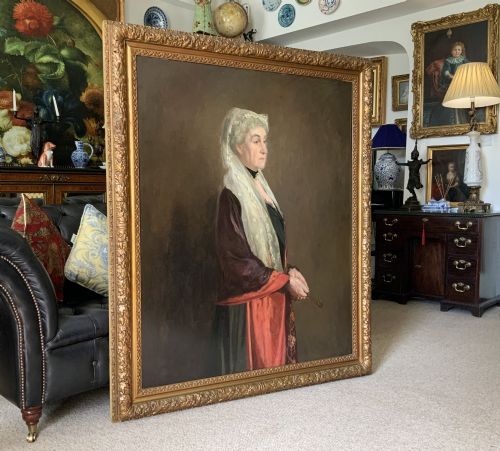
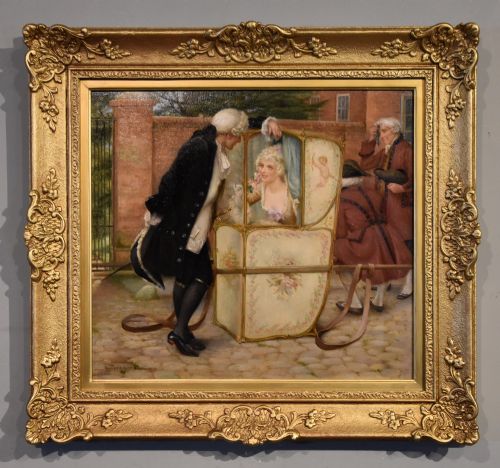
When you search for edwardian period canvas artwork, you encounter oil paintings on canvas and panel spanning the Edwardian era, 1910, 1920, and the nineteenth century. The selection includes portraits of ladies, figurative countryside scenes, and genre paintings featuring figures with dogs or by the sea.
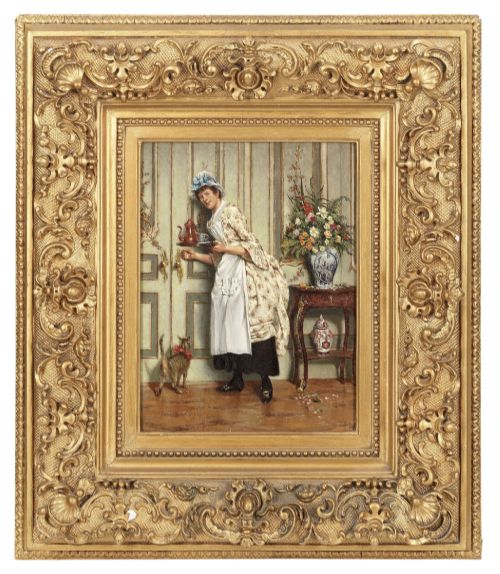
The pieces on this page originate from British artists working in distinct traditions, such as British Impressionism and Victorian Genre Painting. You meet large portraits alongside domestic interior scenes like country house tea times.
How they were made
These works utilise oil paint applied to canvas and panel supports. Artists deployed brushwork to capture light and texture in portraits of ladies and rural countryside settings.
Framing and mounting involve traditional materials such as giltwood, gesso, wood, and composition moulding. These frames surround the painted canvas surfaces to complete each piece.
The listings feature oil on canvas and oil on panel supports housed in giltwood, gesso, and composition frames.
What varies in quality
The distinction between works rests on the handling of the subject, from detailed country house interiors to characterful portraits of ladies and dogs. Signed works by recorded artists carry distinct authorship that elevates the piece.
The integration of the oil medium with the canvas support and the preservation of the original composition determine the visual strength of each painting.
Stephen Samuel Lewin·Delapoer Downing·John Sanderson Wells·Ernest Higgins Rigg·J Cecil Bradshaw·Sydney Kendrick·Robert Edward Morrison·Harry John Pearson
The Edwardian Period Canvas Artwork Glossary
- Oil on Canvas
- Pigment mixed with drying oil applied to a woven fabric support. This surface allows for rich colour layering and varied brush textures.
- Giltwood
- Wood carved and covered with a thin layer of gold leaf or metal powder. It provides ornamental framing for the oil paintings.
- Gesso
- A paint mixture consisting of a neutral binder mixed with chalk, gypsum, or pigment. It prepares wooden panel and frame surfaces for gilding or painting.
- British Impressionism
- A painting style developed by British artists focusing on light, loose brushwork, and everyday scenes. It appears across landscapes and interior genre works.
- Victorian Genre Painting
- Art depicting scenes from everyday life involving people in domestic or outdoor settings. These works often tell a narrative story through the figures.
Edwardian Period Canvas Artwork: Frequently Asked Questions
What subjects appear in edwardian period canvas artwork?
The works depict portraits of ladies, figurative countryside views, and domestic interiors involving women and dogs. Some compositions capture figures by the sea.
Artists recorded specific social moments, ranging from country house tea times to outdoor genre scenes.
How do these paintings differ from Victorian works?
Edwardian canvas pieces share ground with nineteenth-century and Victorian pieces through portraiture and genre subjects. The later works often display looser brushwork influenced by British Impressionism.
Both periods utilise oil on canvas housed in giltwood and composition frames.
What framing materials do these artworks use?
Frames are constructed from wood, gesso, and composition, then finished with giltwood surfaces. These materials provide decorative borders that complement the oil paintings.
The frames work in tandem with the canvas to define the physical object.
Who painted these works?
The inventory includes paintings by named artists such as Stephen Samuel Lewin, John Sanderson Wells, and Robert Edward Morrison. Other pieces carry signatures or attributions to painters like J Cecil Bradshaw and Harry John Pearson.
Each artist brings a specific regional or stylistic focus to their portrait and genre subjects.