



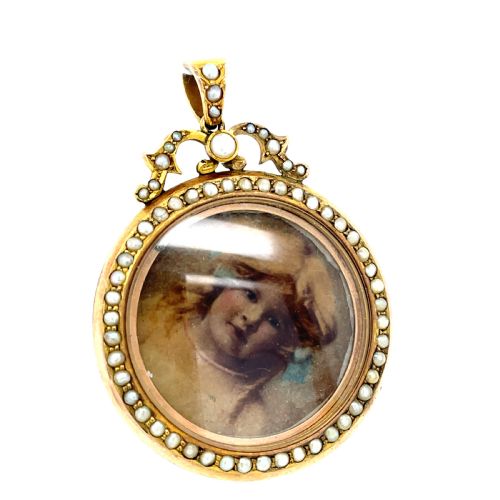


Edwardian Pearl Locket
An edwardian pearl locket holds keepsakes close to the heart, combining delicate goldwork with lustrous gems for a timeless keepsake.
Edwardian Pearl Locket
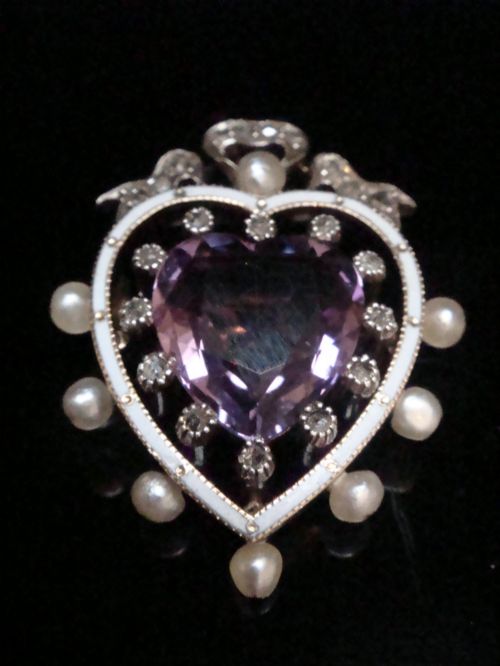
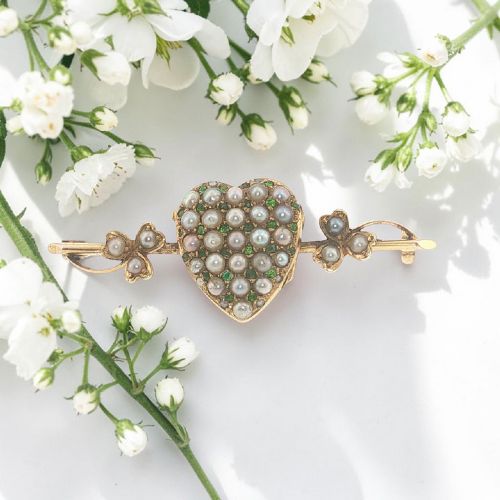
An edwardian pearl locket is a hinged pendant designed to hold miniatures, locks of hair, or photographs inside a precious metal case. You will frequently encounter heart-shaped designs, round frames, and starburst motifs originating from the Edwardian and late Victorian eras.
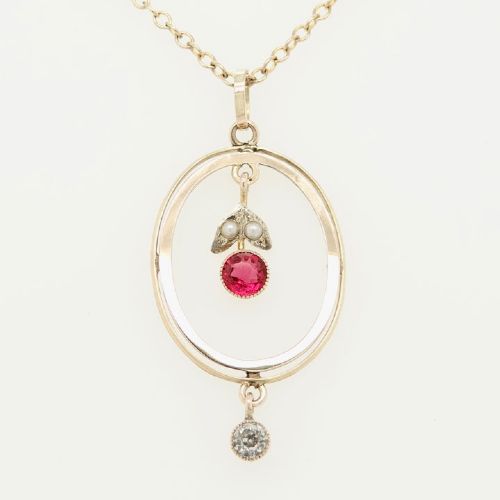
These pieces function as both jewellery and miniature picture frames, often suspending from fine chains or functioning as brooch conversions. The inclusion of pearls marks them out, usually set in clusters or delicate borders surrounding central stones.
Most examples rely on gold in various carats, ranging from nine to eighteen carat yellow and rose gold, alongside silver and gilt mounts. You will also see glass-covered shaker compartments where loose seed pearls move freely behind transparent faces.
How they were made
Goldsmiths constructed these lockets using yellow and rose gold, often working at nine, fifteen, or eighteen carats, alongside silver settings for gemstones. Fine seed pearls and natural pearls were hand-drilled and secured onto pins or stitched onto backing plates with meticulous care.
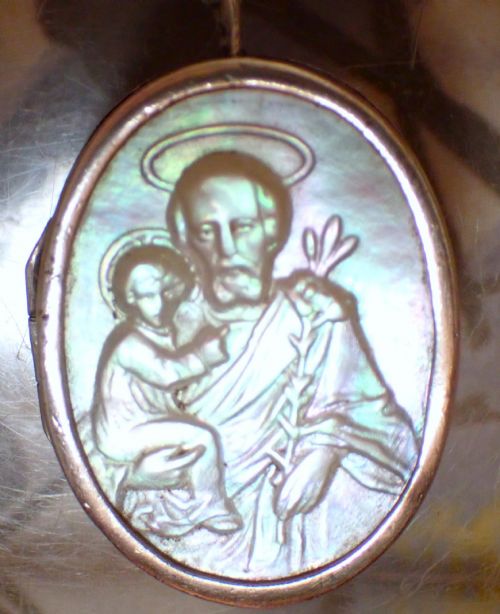
Enamelling techniques such as guilloché and plique-à-jour added translucent colour beneath or around the pearl settings. Artisans also employed filigree wirework, hand-carved mother of pearl, and glass fronts to create secure compartments for portrait miniatures.
Periods represented span from late Victorian and Edwardian to Art Nouveau, Art Deco, and Belle Epoque designs.
What varies in quality
Quality rests upon the weight and purity of the gold or silver mount, alongside the uniformity and lustre of the pearls. Finer pieces feature hand-carved details, pristine enamel work, and integrated gemstones like peridot, amethyst, or diamond rather than simple paste substitutes.
The precision of the hinge and snap closure dictates mechanical excellence, ensuring the locket compartment seals tightly shut. Superior examples also display balanced symmetry in seed pearl starbursts and intricate gallery work that holds up under close examination.
Murrle Bennett·Theodor Fahrner
The Edwardian Pearl Locket Glossary
- Seed pearl
- A very small, naturally formed pearl, often round or slightly irregular, used in clusters or borders on antique jewellery. They define the delicate aesthetic of Edwardian and Victorian designs.
- Guilloché
- A decorative technique where a mechanical pattern is engraved into metal beneath a translucent layer of enamel. This creates a wavy, radiating background texture behind pearls or stones.
- Shaker locket
- A transparent glass-fronted compartment allowing loose seed pearls or small charms to move freely inside the pendant. They became popular for creating playful, interactive keepsakes.
- Plique-à-jour
- An enamelling technique similar to cloisonné, but without a backing metal, allowing light to shine through the transparent enamel cells like stained glass.
- Paste
- Hand-cut and polished lead glass used to imitate gemstones in antique jewellery. It offers brilliant sparkle while remaining distinct from natural stones.
Edwardian Pearl Locket: Frequently Asked Questions
How do I open an edwardian pearl locket?
Most lockets rely on a small fingernail notch or a side hinge that swings open when gentle pressure is applied. Take care not to force stiff closures, as older gold and silver can be malleable.
Check for interior bezels and glass frames designed to hold photographs in place. A soft touch preserves the original clasp mechanism and prevents damage to delicate seed pearl borders.
Can I put a photo inside?
Many of these pieces were specifically manufactured as open photograph frames or secret compartments for miniature portraits. You can trim thin paper or photographs to fit the interior cavity.
Ensure any modern adhesive avoids direct contact with historic metalwork or fabric backings. Original glass covers should remain in place to protect your photographs.
How do I clean an antique gold and pearl locket?
Pearls are organic gems that require gentle treatment, so avoid harsh chemical dips, ultrasonic cleaners, or abrasive brushes. Use a dry or barely damp soft microfibre cloth to wipe away surface dust.
Keep moisture away from the interior paper photographs and glass edges. Professional jewellers should handle any repairs involving weakened pearl threads or damaged hinges.
Are these lockets suitable for everyday wear?
Antique lockets survive best with occasional wear rather than daily exposure, particularly pieces featuring delicate seed pearls or glass shaker compartments. Removing the pendant before sleeping or swimming protects the historic metal and stones.
Store the item separately in a fabric-lined box to prevent scratching against other jewellery. Gentle handling ensures the delicate hinges and glass panels remain secure.
How do I tell Edwardian lockets from Victorian ones?
Edwardian pieces often feature lighter, airier designs using platinum, yellow gold, and bright seed pearl clusters inspired by garland styles. Victorian versions tend to be heavier, incorporating dark enamels, heavy silver, and deep-toned amethysts or garnets.
Stylistic overlaps occur during transition periods around the turn of the century, combining elements of both eras. Examining hallmarks and gemstone choices helps clarify the exact period of manufacture.