

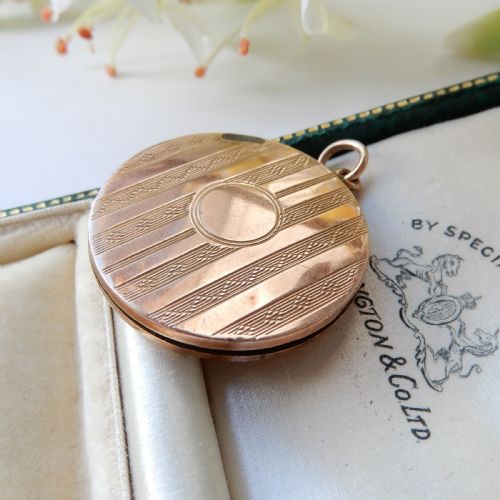


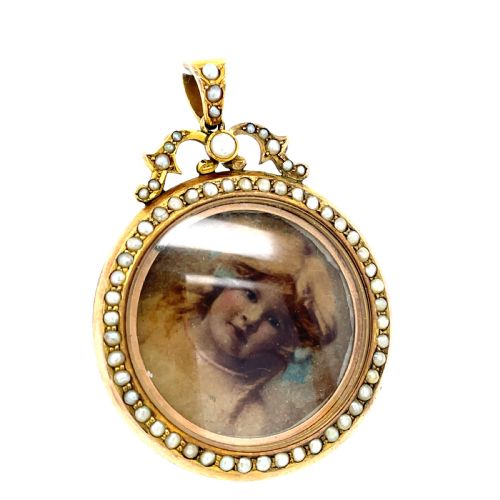
Edwardian 9ct Gold Locket
An Edwardian 9ct gold locket holds a small photograph or keepsake close, combining period metalwork with personal sentiment.
Edwardian 9ct Gold Locket
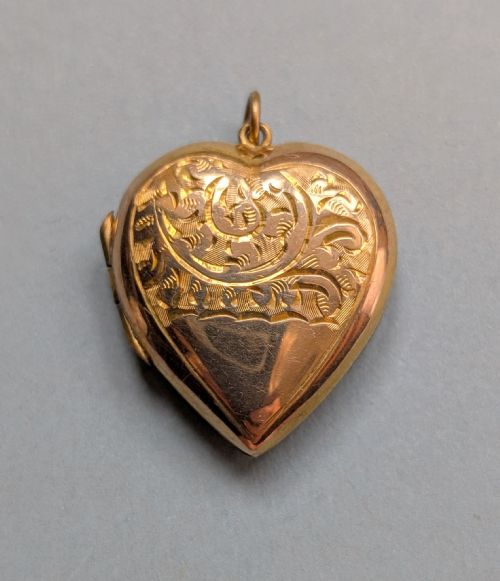
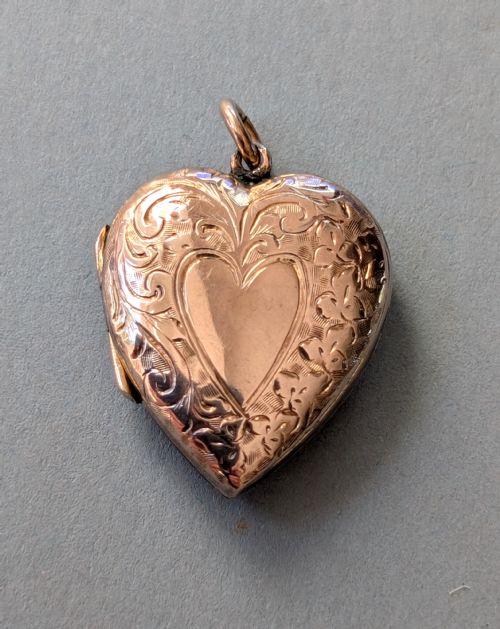
An edwardian 9ct gold locket appears most frequently in heart, oval, and circular forms, often suspending from a chain or serving as a brooch. The selection spans pieces from the Edwardian period alongside items dated to the late Victorian era and subsequent vintage decades.
Makers utilised yellow and rose gold hues, alongside gold back and front construction, to shape lockets with engraved surfaces, glass panels, or gemstone settings. These portable keepsakes carry the distinct aesthetic of the early twentieth century into modern collections.
Materials and construction
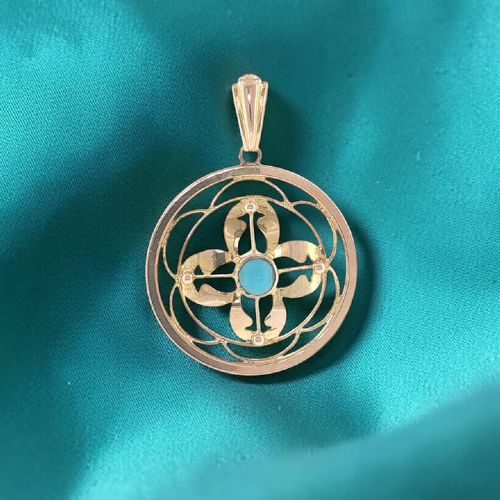
Craftsmen worked with 9ct yellow gold and 9ct rose gold, alongside gold back and front methods that layered precious metal over a base core. Shaker lockets incorporated glass panels to enclose loose seed pearls, turquoise, paste, and diamonds.
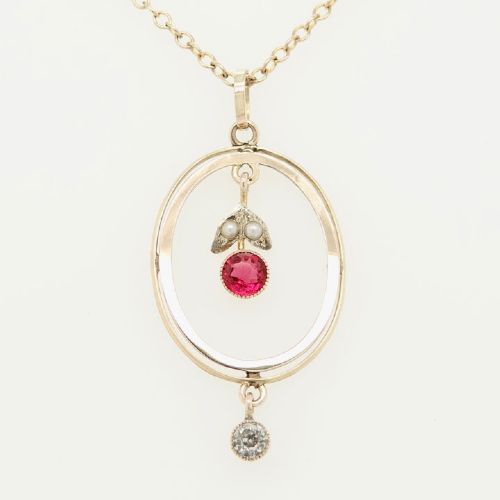
Surface decoration relied upon ornate hand engravings depicting birds, butterflies, and floral motifs. Gemstones such as opal, amethyst, tourmaline, ruby, and agate were flush or bezel set into the gold frames.
Edwardian 9ct Gold Locket Retail Price Guide 2026
Typical asking prices for edwardian 9ct gold locket among the pieces listed under this phrase on Sellingantiques today, from the lower quarter to the upper quarter. They describe what is for sale here now, not the wider market.
Listings feature pieces spanning the Victorian, Edwardian, and mid-century periods, constructed in yellow and rose 9ct gold.
Craftsmanship and weight
The standard of an edwardian 9ct gold locket rests on the crispness of its hand engravings and the structural integrity of its hinge and clasp. Finer examples maintain deep, clear ornamentation across the front and back without thinning of the metal from polishing.
Solid gold variants differ from gold back and front pieces in weight and construction longevity. The inclusion of secure glass bezels, original fittings, and well-matched gemstones elevates the execution of the piece.
Murrle Bennett
The Edwardian 9ct Gold Locket Glossary
- Gold Back and Front
- A method of construction where the outer shell consists of solid 9ct gold while the internal lining uses a base metal for structural support. This technique provided the appearance and wear surface of solid gold at a lighter weight.
- Shaker Locket
- A locket fitted with transparent glass covers enclosing loose decorative elements such as seed pearls, diamonds, or turquoise. These small components move freely within the sealed compartment.
- Padlock Pendant
- A small padlock-shaped charm, often utilised on bracelets or chains during the Edwardian era. Many functioned as functional lockets or symbolic tokens.
- Seed Pearl
- A very small, naturally formed pearl used extensively in clusters or borders on Edwardian jewellery. They require careful setting to prevent loss from the delicate claws.
Edwardian 9ct Gold Locket: Frequently Asked Questions
How do I open an Edwardian locket?
Most pieces utilise a tiny thumbnail catch or a side hinge that swings open with gentle pressure. Care is required with older hinges to avoid strain on the gold.
Checking for internal frames or original glass covers helps secure photographs safely inside without modern adhesives.
Can I wear a locket every day?
Daily wear is suitable for solid 9ct gold pieces provided the hinges and clasps remain secure. Items with glass panels or delicate seed pearls need extra care against knocks.
Removing the jewellery before swimming or heavy physical work preserves the delicate engravings and gemstone settings.
What is gold back and front?
This manufacturing technique bonds solid 9ct gold sheets to a non-precious interior core. It allowed makers to produce larger, lightweight pieces during the Edwardian period.
The exterior shows genuine gold hallmarks and wear characteristics while keeping the overall weight manageable for daily necklace wear.
How do I clean an antique gold locket?
A soft microfibre cloth removes everyday oils and dust from the metal surface. Harsh chemical dips should be avoided, particularly on pieces containing glass compartments or glued seed pearls.
Professional cleaning is recommended if the interior glass requires dust removal or if the hinge needs adjustment.