
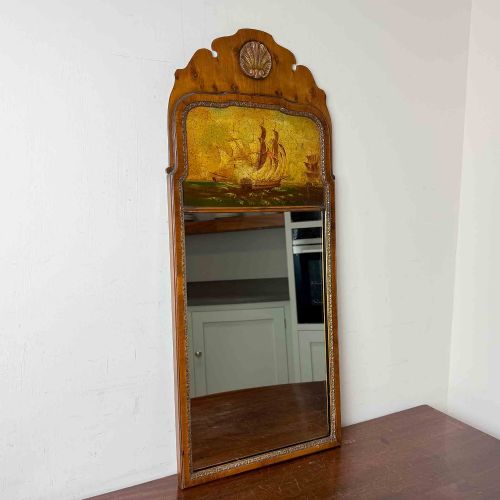
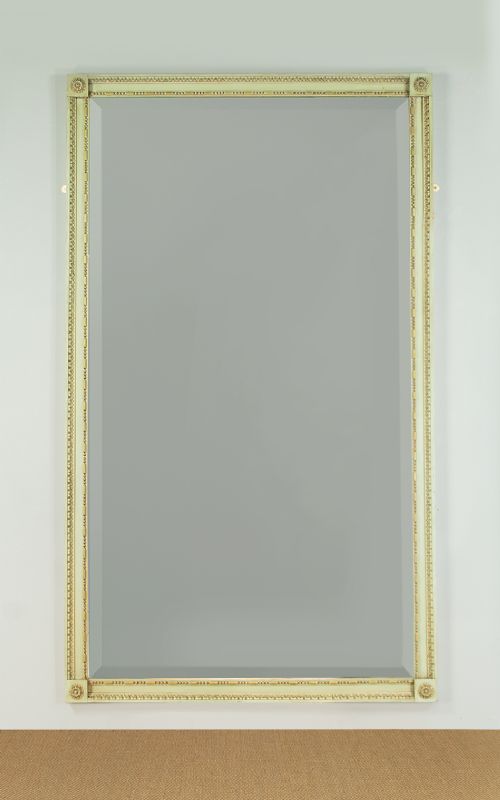


Edwardian Painted Mirror Frame
These edwardian painted mirror frame pieces bring hand-applied colour and period decorative craft straight to your wall, offering immediate warmth to a room.
Edwardian Painted Mirror Frame
An edwardian painted mirror frame brings together timber structures, glass plates, and decorative pigments from the late nineteenth and early twentieth centuries. Buyers searching this phrase look for wall-hung and overmantel pieces that display surface ornament beyond plain wood or simple gilt.
The selections span Edwardian work alongside related Victorian, Queen Anne Revival, and Chinoiserie examples. You will encounter oval wall mirrors, large overmantels, and distinctive painted frames showing floral motifs or dark lacquer finishes.
Most items on this page lean into specific revival styles or aesthetic movement tastes rather than austere utilitarian design. They function equally well above a fireplace or as a standalone focal point in a hallway.
How they were made
Carved wood provides the primary structural foundation for these frames, often enhanced with applied gesso to build up raised floral or geometric ornamentation. Artisans then applied paint, gold leaf, or parcel gilt directly over the prepared surfaces to achieve rich decorative contrasts.
Mirror glass sits within these surrounds, sometimes featuring bevelled edges that catch the light from multiple angles. Lacquer and dark paint finishes received careful sealing to protect the delicate pigments underneath.
The inventory includes wall mirrors, overmantel mirrors, and advertising signs executed in oak, satinwood, and ebonised finishes.
What varies in quality
The depth and crispness of the carved wood and gesso relief work separate standard production frames from finer examples. Superior pieces show hand-finished detail in the painted motifs rather than mechanical uniformity.
The preservation of the original paint, gilt, and mirror glass plate dictates the overall integrity of the piece. Sustained care over decades ensures the decorative surface retains its intended visual impact.
The Edwardian Painted Mirror Frame Glossary
- Gesso
- A plaster-like mixture applied to wood frames to create a smooth surface for painting or gilding. Artisans carved intricate relief details directly into this layer.
- Overmantel
- A large mirror designed specifically to hang on the wall directly above a fireplace mantelpiece. These pieces often feature arched tops or wide horizontal formats.
- Chinoiserie
- European artistic style reflecting Chinese motifs and decorative techniques, popular in lacquerwork and painted furniture. It frequently employs black backgrounds with gold figures and landscapes.
- Parcel Gilt
- A finishing technique where only specific portions of a carved or painted object receive gold leaf application. This method highlights particular architectural details against a darker base colour.
- Aesthetic Movement
- Late nineteenth-century design ethos prioritising visual beauty over narrative or moral purpose in art and home furnishings. It embraced ebonised wood surfaces and Japanese-inspired motifs.
Edwardian Painted Mirror Frame: Frequently Asked Questions
Where should I hang an overmantel mirror?
These large frames traditionally sit directly above a fireplace mantelpiece to reflect light and anchor the room's main elevation.
Ensure secure fixings into wall studs or masonry to support the substantial weight of the timber and glass combination.
How do I clean a painted mirror frame?
Dust the carved and painted surfaces gently with a soft, dry brush to prevent dirt accumulation in the recessed gesso details.
Avoid commercial chemical sprays and excess moisture which can damage aged paint layers and traditional gilt finishes.
What is a gypsy mirror?
Gypsy mirrors are decorative wall pieces featuring fabric, ribbon, or painted embellishments popular during the late Victorian and Edwardian periods.
They often display eclectic charm and colourful detailing designed to catch the eye in domestic interiors.
How do I identify Edwardian painted frames?
Edwardian pieces often combine lighter timbers like satinwood or yew with delicate floral motifs and restrained revival styles.
They bridge the transition between Victorian ornamentation and cleaner twentieth-century domestic design.