
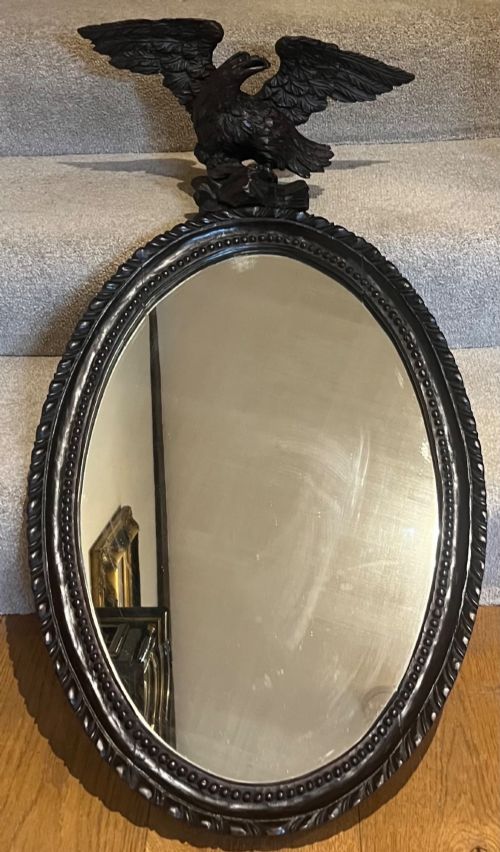


Vintage Wooden Oval Mirror
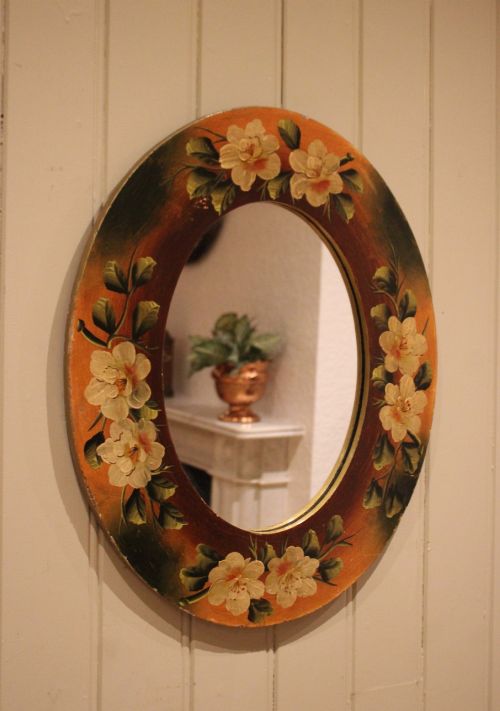
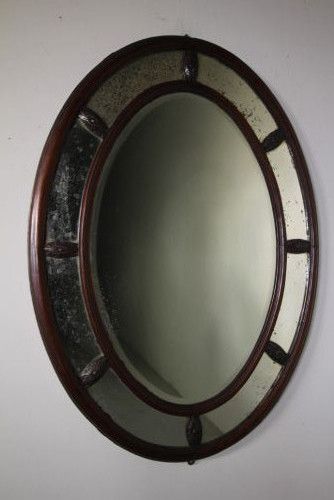
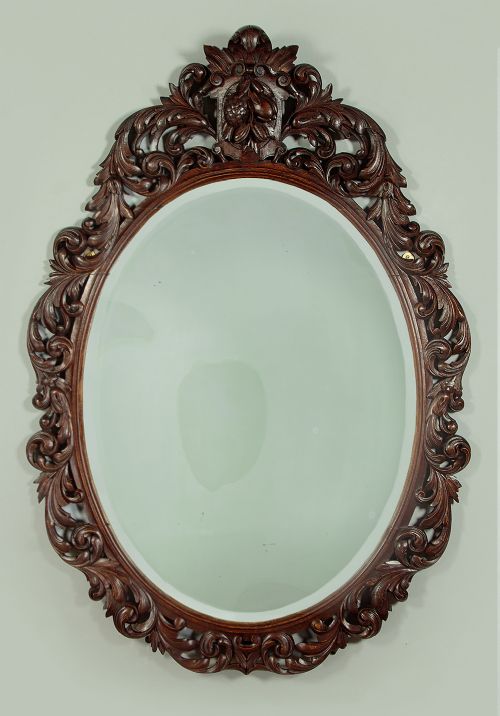
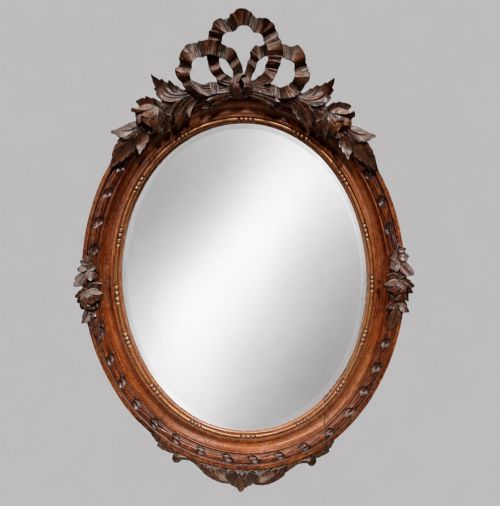
A vintage wooden oval mirror brings warmth and reflective depth to a room, grounding the wall space with traditional craft.
Vintage Wooden Oval Mirror
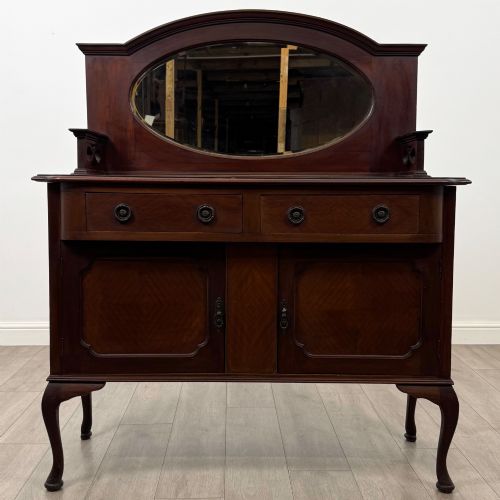
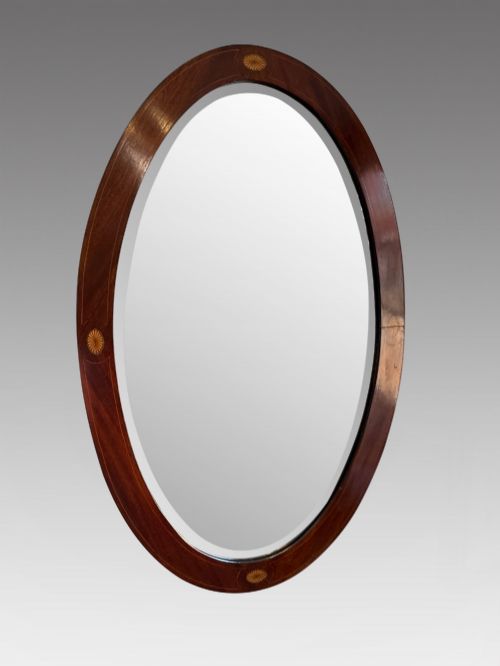
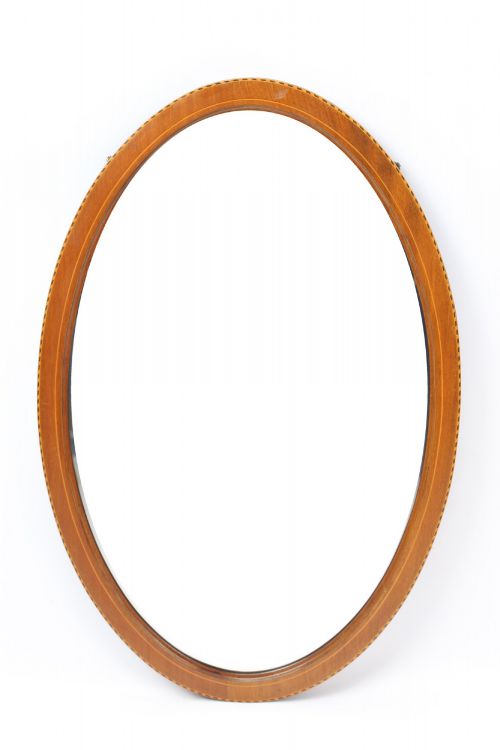
When you search for a vintage wooden oval mirror, you encounter pieces spanning from the nineteenth century into the early twentieth century, taking the form of wall mirrors, dressing table mirrors, and cheval mirrors.
The selections available here lean heavily towards Edwardian and nineteenth-century examples, often executed in mahogany or oak with distinctive stylistic revivals like Jacobean, Sheraton, and Regency.
Beyond standalone wall hangings, the category also captures mirrors integrated into larger furniture forms such as sideboard mirrorbacks and wardrobes.
Materials and construction methods
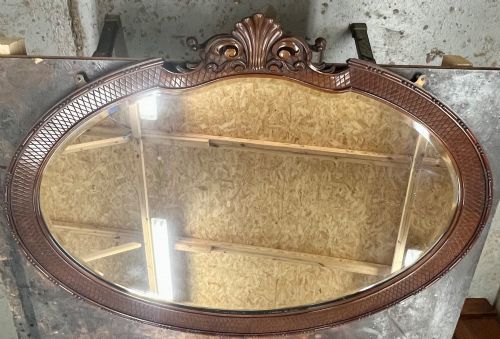
Frames rely on cabinet timbers such as mahogany, oak, beech, and satinwood, frequently shaped into curved profiles or reinforced with gesso and carved wooden details.
Inlay work appears on refined Edwardian and revival pieces, while other examples showcase carved oak foliage, fretwork, or gilt wood finishes.
Reflecting plates are set within these wooden surrounds, ranging from standard mirror glass to bevelled edges suited to the period.
Current listings feature frames constructed from mahogany, oak, beech, and satinwood across the nineteenth century and Edwardian period.
Markers of distinction and build
The finesse of the woodwork dictates quality, separating plainly framed timber from pieces with deeply undercut carving, delicate fretwork, or precise inlay.
The integrity of the frame construction and the preservation of the original wood finish or gilding determine the enduring character of the piece.
Proportion and balance within the oval format play a central role, ensuring the frame complements the grain and tone of the wood used.
The Vintage Wooden Oval Mirror Glossary
- Mahogany
- A durable, reddish-brown tropical hardwood favoured for cabinetmaking and fine mirror frames throughout the nineteenth and early twentieth centuries.
- Oak
- A sturdy, heavy timber utilised for domestic furniture and mirrors, frequently seen in revival styles and early twentieth-century pieces.
- Gesso
- A plaster-like mixture applied to wooden frames as a smooth base for gilding or paint.
- Fretwork
- Ornamental design created by cutting patterns through thin wood, often seen in eighteenth-century revival mirrors.
- Bevelled glass
- Mirror glass with edges cut and polished to an angled slope, adding depth and a decorative border to the reflection.
Vintage Wooden Oval Mirror: Frequently Asked Questions
How do I hang an antique oval mirror?
Most wall-hanging mirrors use original or period-appropriate rings and fixings secured to the back of the wooden frame. Ensure your wall anchor matches the weight of the timber and glass.
Position the mirror at eye level to maximise light distribution and balance the surrounding wall space.
Are these mirrors original to their stated period?
The pieces span various eras from the nineteenth century into the Edwardian period and later revivals. Dating relies on timber choice, construction techniques, and stylistic markers visible in the frame.
Reviewing the listed period helps establish whether a piece is an authentic nineteenth-century example or an early twentieth-century revival.
How should I clean the wooden frame?
Dust the timber gently with a dry, soft cloth to prevent accumulation in carved recesses and mouldings. Avoid harsh chemical cleaners that can strip the traditional polish or wax.
Apply a quality furniture wax sparingly if the wood appears dry, buffing it gently to restore the natural lustre.
What is the difference between a wall mirror and a dressing mirror?
Wall mirrors are designed to mount directly onto vertical surfaces using integrated hanging hardware. Dressing and cheval mirrors typically incorporate stands, pivots, or swing frames for tabletop or floor placement.
Both types utilise similar wooden frames and oval glass formats but serve different functional roles within a room.