




Edwardian Oval Artwork
Edwardian oval artwork brings intimate portraiture and pastoral scenes into focus through curved glass and gilded wood.
Edwardian Oval Artwork
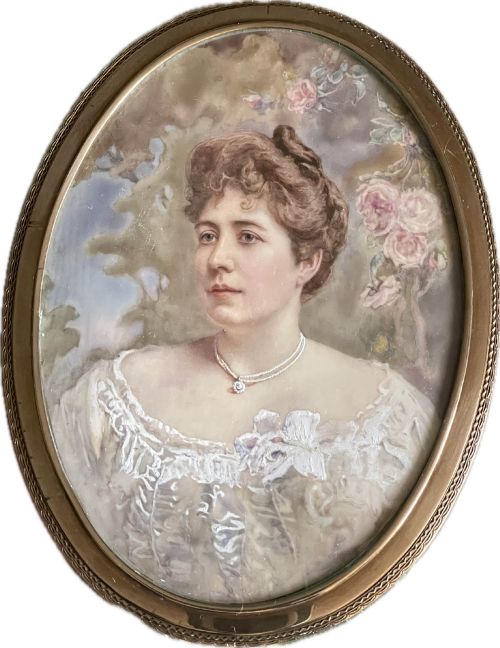
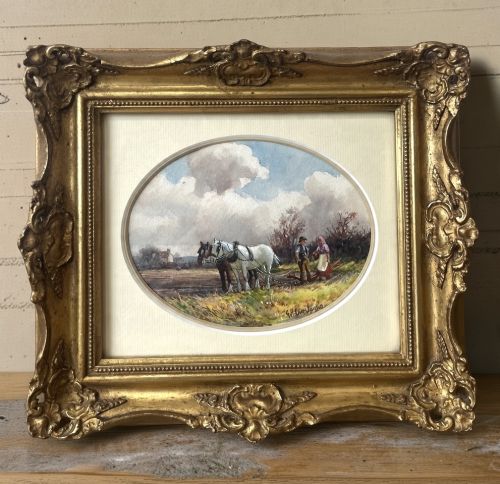
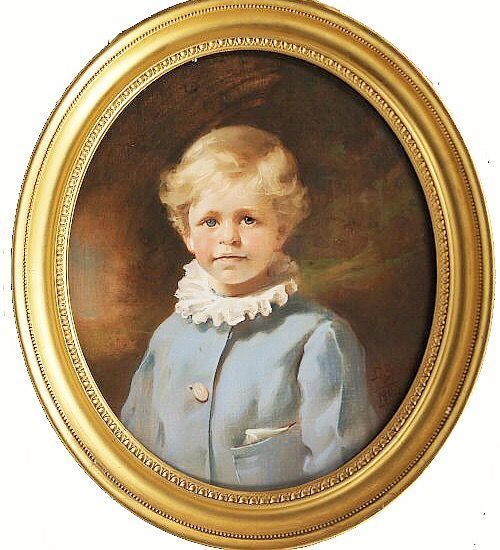
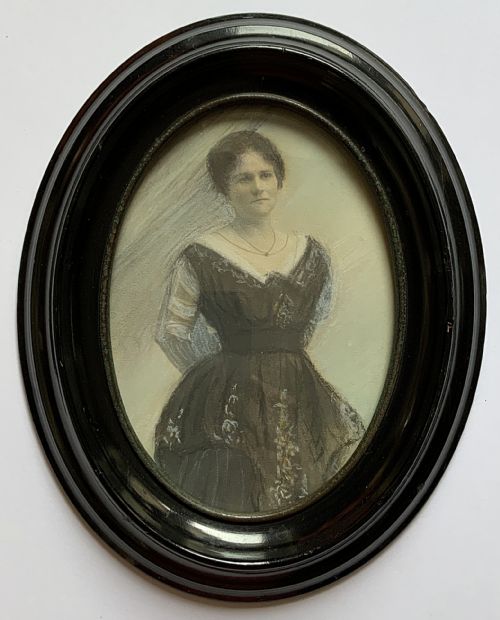
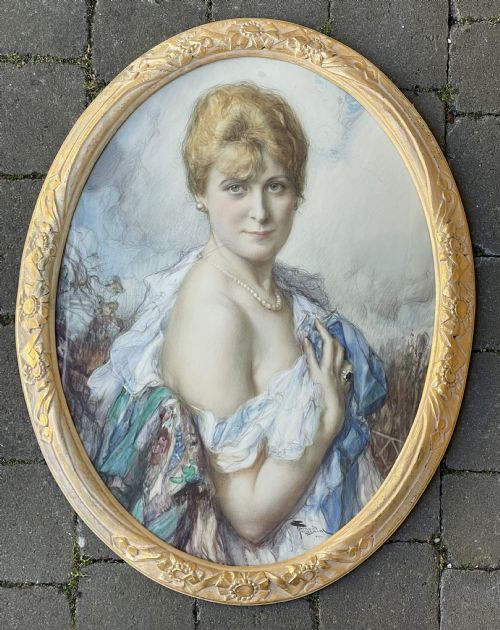
When searching for edwardian oval artwork, you encounter intimate framed pieces created during the early twentieth century and late nineteenth century. These objects capture domestic subjects, romantic narratives, and notable figures through miniature paintings, watercolours, and early prints.
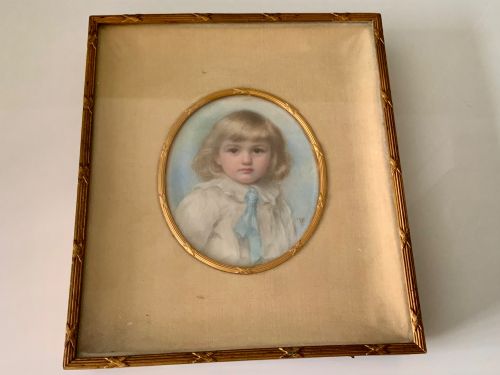
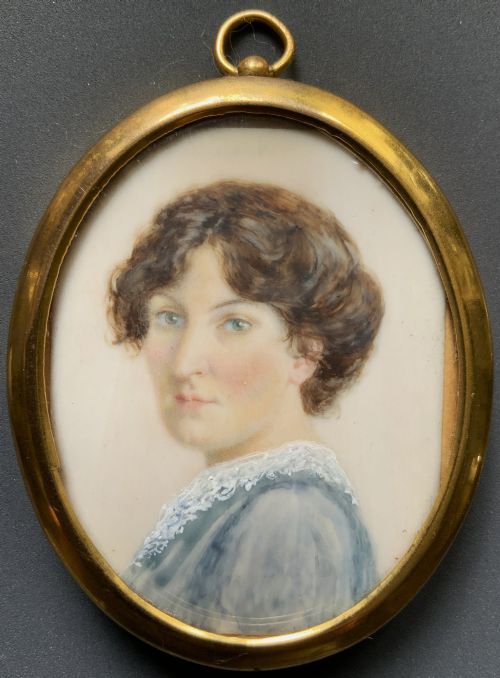
The format relies on curved boundaries to draw the eye towards the central subject, often a detailed portrait miniature or a delicate pastel study. You meet these pieces enclosed in ornate gilt wood frames and glass fronts that preserve the fragile paper and pigment beneath.
While many examples belong to the Edwardian period and Victorian eras, the styles stretch from Victorian Classicism to Edwardian Pastoral and Belle Epoque. The selection balances delicate watercolours of ladies with framed prints and pencil wash portraits.
Materials and construction
Makers utilised paper, watercolour, pastel, and pencil to build these compositions, applying pigment with fine brushes or drawing implements. Glass protects the delicate surfaces, often paired with dome fronts that add depth to the miniature paintings and framed prints.
Frames take shape from wood and giltwood, sometimes carved into ornate patterns to complement the curving picture plane. Brass fixtures and backing boards secure the assembly, ensuring the preservation of nineteenth-century and twentieth-century works.
Edwardian Oval Artwork Retail Price Guide 2026
Typical asking prices for edwardian oval artwork among the pieces listed under this phrase on Sellingantiques today, from the lower quarter to the upper quarter. They describe what is for sale here now, not the wider market.
One portrait captures a commander-in-chief of the British Army sharing digital space with delicate romantic scenes of ladies and dogs.
Assessing quality and execution
Frame craftsmanship also dictates value, with hand-carved gilt wood and original dome-fronted glass indicating superior production. Pieces signed by recognised artists or possessing clear provenance hold greater artistic weight.
George Hamilton Constantine·Leon Sprinck·William Edward Frost·Fernand Toussaint·Charles Prosper Sainton·Arthur H Buckland
The Edwardian Oval Artwork Glossary
- Portrait Miniature
- A small, highly detailed painting, usually executed on paper, ivory, or vellum. These works require immense skill to achieve lifelike precision on a reduced scale.
- Giltwood
- Wood that has been treated with a thin layer of gold leaf or gilt powder. It provides a reflective, ornate border for period artwork.
- Pastel
- A dry painting medium consisting of powdered pigment and a binder. It produces velvety textures and soft colour transitions.
- Nereid
- A sea nymph from Greek mythology, often depicted in classical art. The subject appears in mythological paintings from the nineteenth century.
- Belle Epoque
- A period of artistic and cultural refinement spanning the late nineteenth century to the First World War. The style influences romantic portraiture and fashion prints of the era.
Edwardian Oval Artwork: Frequently Asked Questions
How should I hang oval artwork?
Oval pieces require secure wall fixings that match their weight, particularly when framed in heavy giltwood and glass. Hang them at eye level where their distinct curves can break the monotony of rectangular frames.
Pair smaller portrait miniatures in groupings or let a single larger piece anchor a smaller wall space. Keep them away from direct sunlight to protect fragile watercolours and pastels from fading.
How do I clean dome-fronted glass?
Clean the exterior glass gently using a soft cloth and a mild glass cleaner applied to the cloth rather than directly onto the frame. This prevents moisture from seeping under the old seals and damaging the artwork inside.
Take care not to spray liquid near the gilt wood edges, as moisture can discolour or degrade the gilded surface. Dust the carved frames regularly with a dry, soft brush.
What is the difference between a print and a painting?
Paintings feature original hand-applied pigments such as watercolour, oil, or pastel, showing individual brushstrokes upon close inspection. Prints are mechanical or photographic reproductions on paper, captured beneath the glass.
Examine the surface under magnification to distinguish between the flat ink application of a print and the textured layers of an original miniature painting.
How do I identify an Edwardian piece?
Edwardian pieces typically date from the early twentieth century, reflecting the tastes and fashions prevalent between nineteen hundred and the First World War. Look for soft pastel palettes, romantic pastoral themes, and delicate portraiture.
Consult the framing materials and any inscriptions on the reverse, as artists and subjects were frequently recorded during this period.