





Edwardian Ottoman Stool
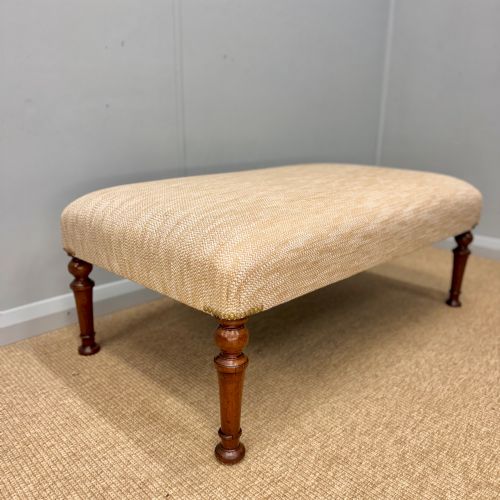
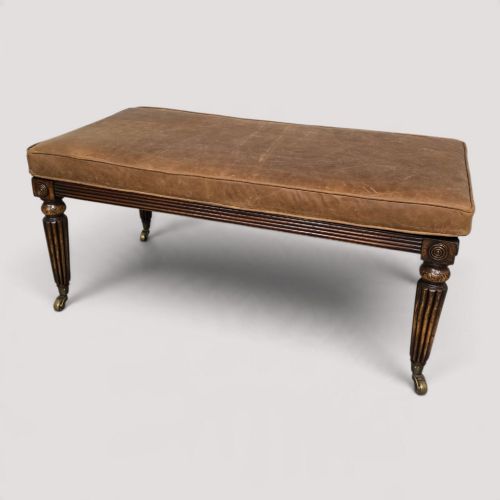
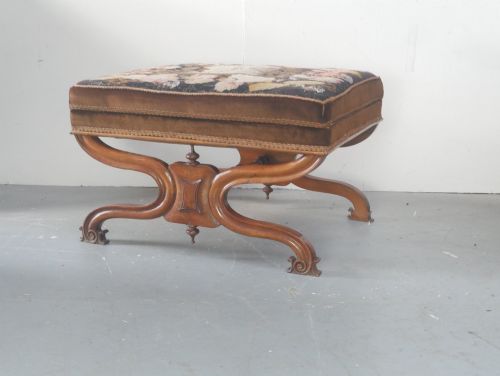
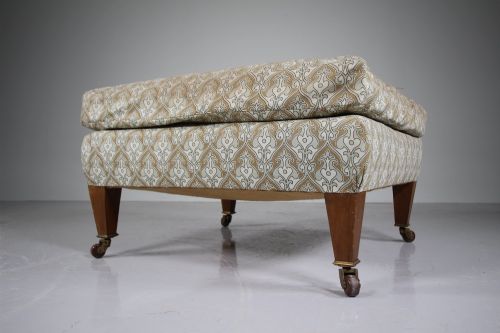
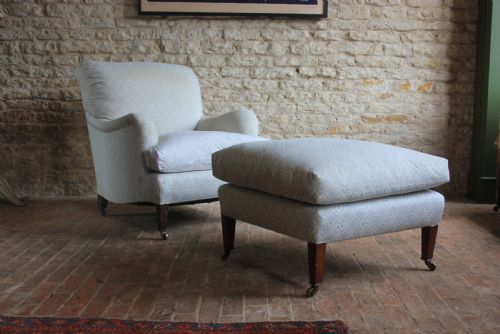
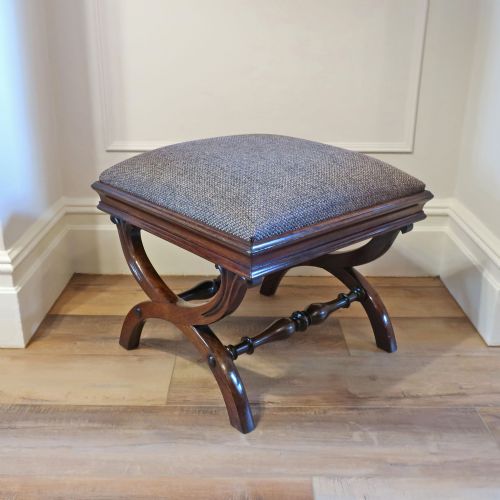
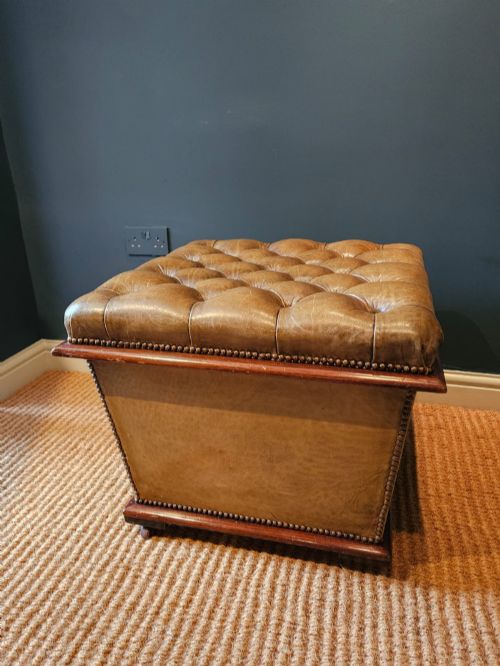
An edwardian ottoman stool brings low, upholstered comfort to a room, pairing timber frames with tactile textile or leather seating.
Edwardian Ottoman Stool
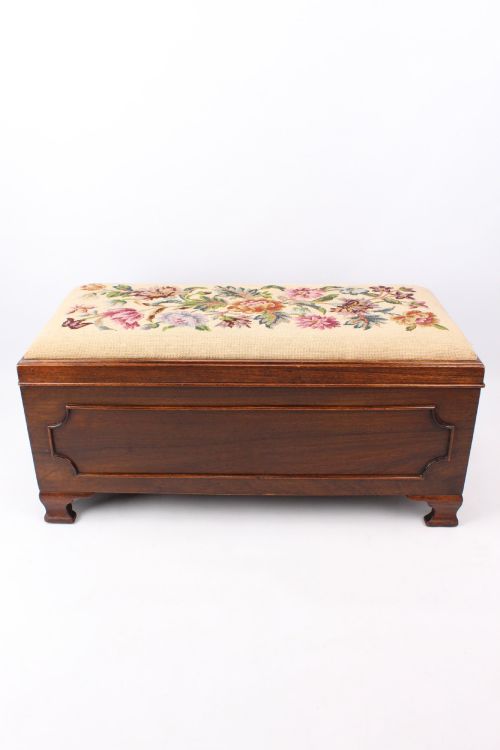
The edwardian ottoman stool encompasses low seating forms including footstools, window seats, and metamorphic gout stools designed for domestic repose. While specific pieces bear Edwardian dates, the selection draws together nineteenth-century and early twentieth-century examples shaped by Victorian, Chippendale Revival, and Moorish styles.
Makers utilised various timbers for the frames, pairing exposed mahogany, walnut, oak, and beech with upholstered surfaces. Buyers encounter both compact round stools and very long rectangular formats intended for fireside placement or salon seating.
Materials and Construction
Craftsmen built structural frames from hardwoods such as mahogany, walnut, oak, pitch pine, and beech, frequently employing carved cabriole legs, brass castors, or black lacquered Chinoiserie finishes. Joinery traditions ranged from revival carvings to simple turned supports.
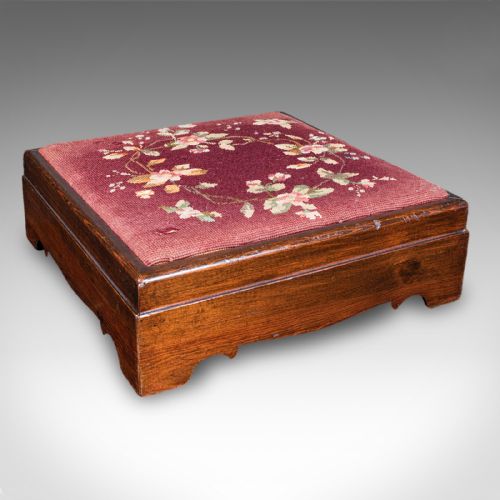
Seating surfaces relied on textile arts, incorporating needlework, tapestry, wool, kilim seat covers, chenille, leather, and Liberty fabric. Buttoned upholstery and sprung interiors provided the necessary resilience for daily use.
Edwardian Ottoman Stool Retail Price Guide 2026
Typical asking prices for edwardian ottoman stool among the pieces listed under this phrase on Sellingantiques today, from the lower quarter to the upper quarter. They describe what is for sale here now, not the wider market.
Listings feature mahogany, walnut, oak, and pitch pine frames paired with leather, needlework, and wool textiles across the nineteenth and early twentieth centuries.
Distinctions in Execution
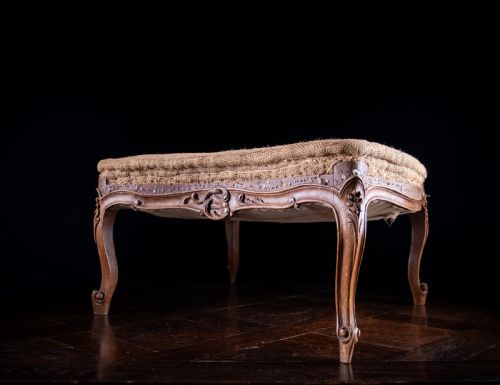
Quality rests upon the integrity of the timber frame, the depth and execution of hand-carved details, and the quality of the secondary woods. Finer examples display crisp carving on cabriole legs or lion's head motifs, alongside robust internal framing.
The standard of the upholstery materials dictates the finish, distinguishing simple fabric coverings from intricate needlepoint, tapestries, or branded firm upholstery. Original brass castors and adjustments, such as metamorphic gout mechanisms, add complexity to the piece.
Howard and Sons·James Shoolbred·Simpson Kendall
The Edwardian Ottoman Stool Glossary
- Ottoman
- A low upholstered seat or stool lacking arms or a back, frequently set on castors for mobility. These pieces served as footrests or auxiliary seating in domestic interiors.
- Metamorphic
- Describing furniture designed to transform or adjust for multiple functions, such as an adjustable gout stool that alters its angle.
- Kilim
- A flat-woven carpet or rug of traditional Middle Eastern or Central Asian design, often utilised as durable upholstery material for stool seats.
- Tunbridge Ware
- A form of decorative woodwork produced in Kent, featuring intricate mosaic patterns assembled from many tiny wood segments inlaid into the surface.
- Chinoiserie
- European decorative art reflecting Chinese artistic motifs, commonly expressed through black lacquered finishes on wooden frames.
Edwardian Ottoman Stool: Frequently Asked Questions
What is an edwardian ottoman stool used for?
These low seats function primarily as footrests by armchairs or as supplementary seating in drawing rooms and bedrooms. Their compact stature allowed easy movement near firesides.
Larger variants served as window seats or salon benches where formal upholstery matched the interior scheme.
How do I identify an Edwardian period stool?
Edwardian pieces often feature lighter woods, simpler revival lines, and specific upholstery styles that diverge from heavier mid-nineteenth-century Victorian designs. Maker attribution or registration marks can further clarify the date of manufacture.
Examining the underside reveals construction methods and timber ageing consistent with the early twentieth century.
Are these stools comfortable for daily use?
Many retain deep buttoned padding or sprung interiors designed specifically for prolonged physical support. The inclusion of upholstery in wool, leather, or heavy textiles provides a durable surface.
Adjustable mechanisms on specialised variants like gout stools allow the user to alter the seating angle.
How should I clean the wooden frame?
Maintain polished mahogany, walnut, or oak frames with a soft cloth and appropriate wax to preserve the finish without harming the wood. Avoid excessive moisture on antique lacquered or carved surfaces.
Upholstery requires care specific to the textile, whether leather, needlework, or woven fabric.