
Edwardian Office Drawers
Edwardian office drawers are practical storage pieces and desks built for administrative work, combining solid timber construction with functional compartments.
Edwardian Office Drawers
When searching for edwardian office drawers, buyers encounter sturdy pedestal desks, multi-drawer banks, and filing cabinets designed for workspace organisation. These items serve daily administrative needs while offering substantial timber storage capacity.
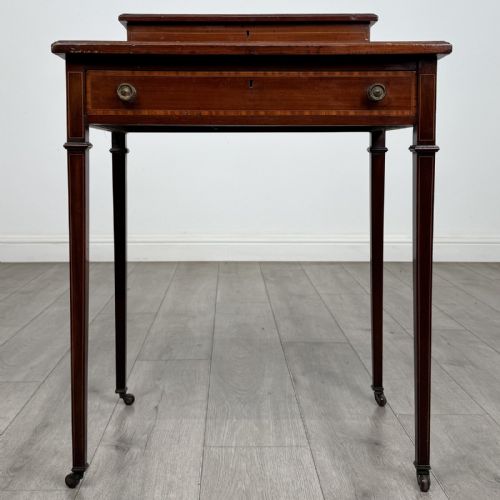
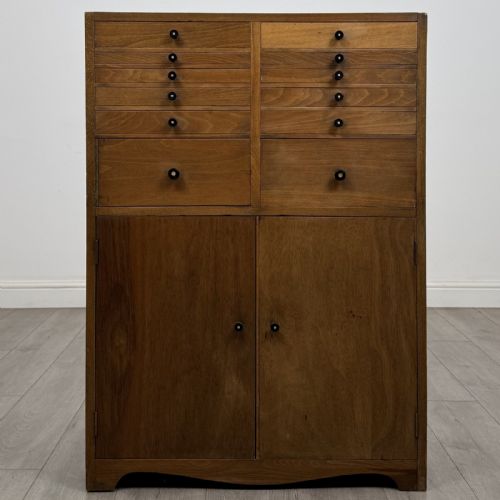
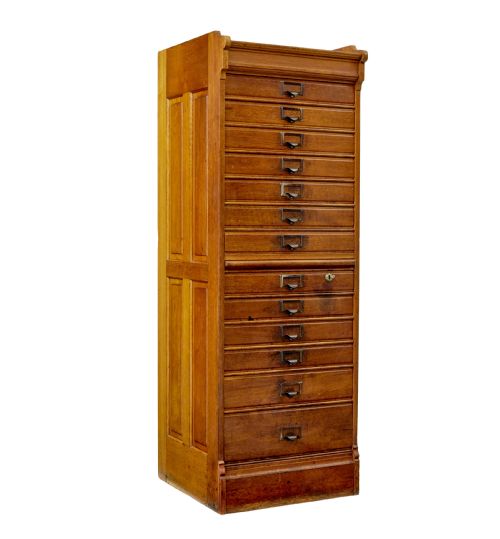
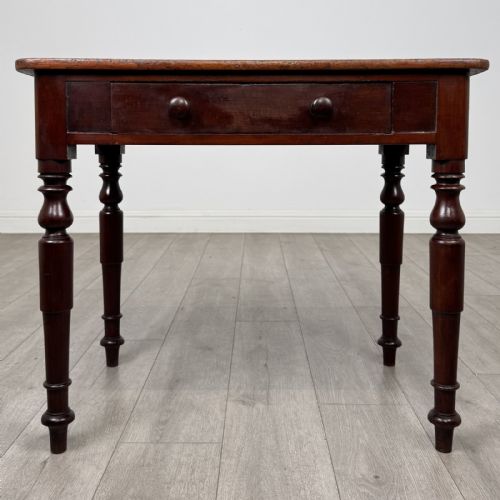
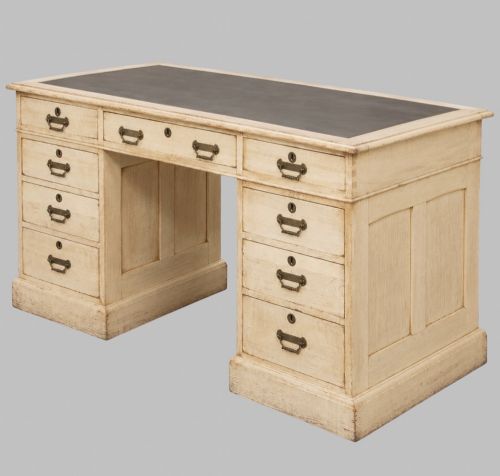
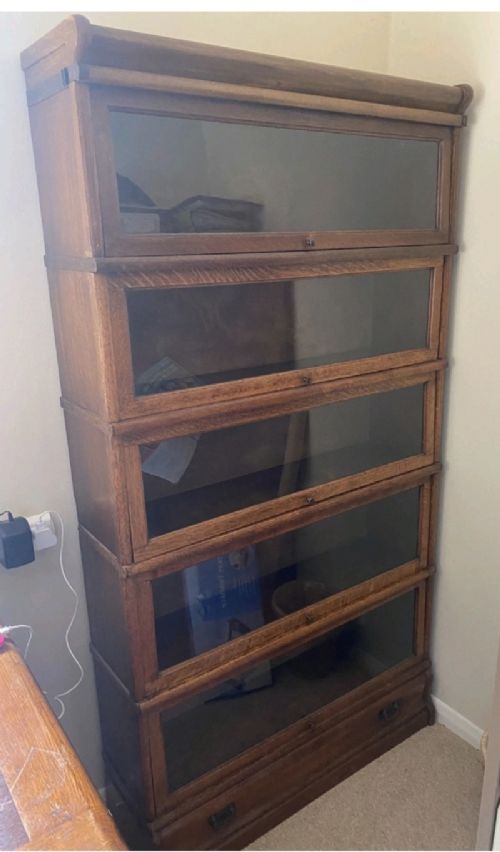
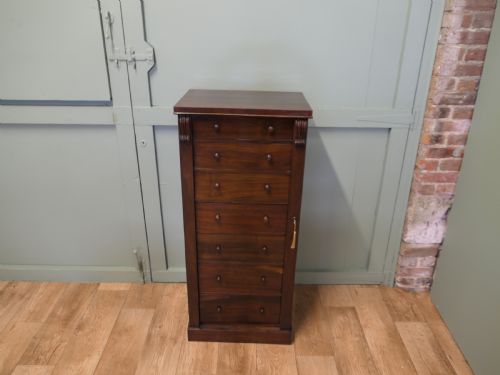
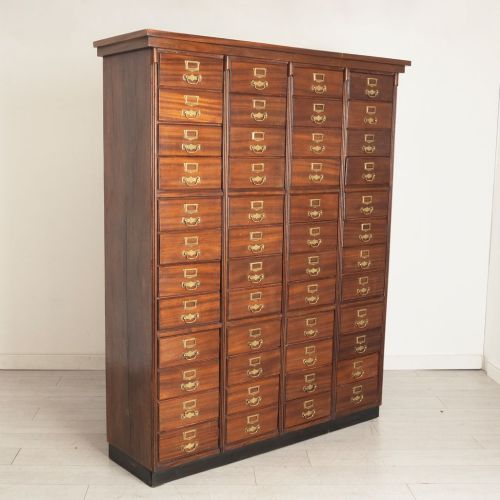
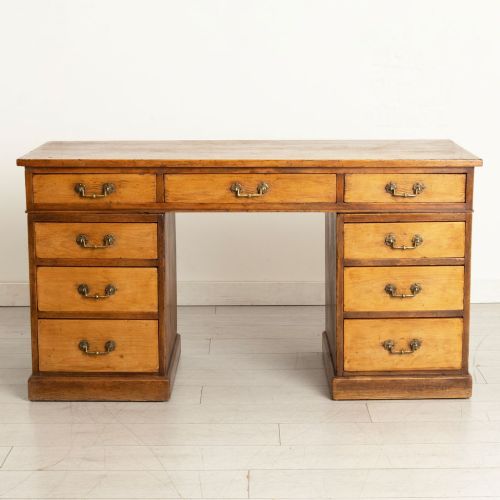
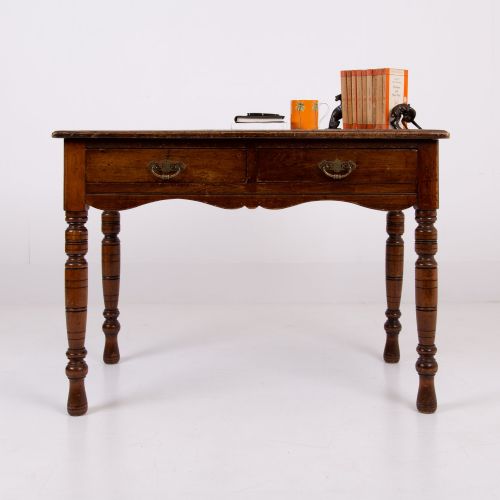
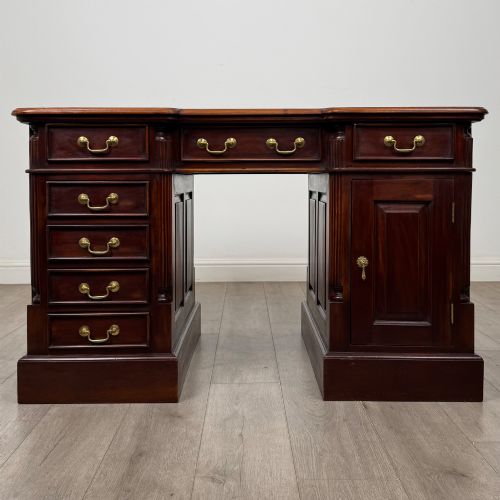
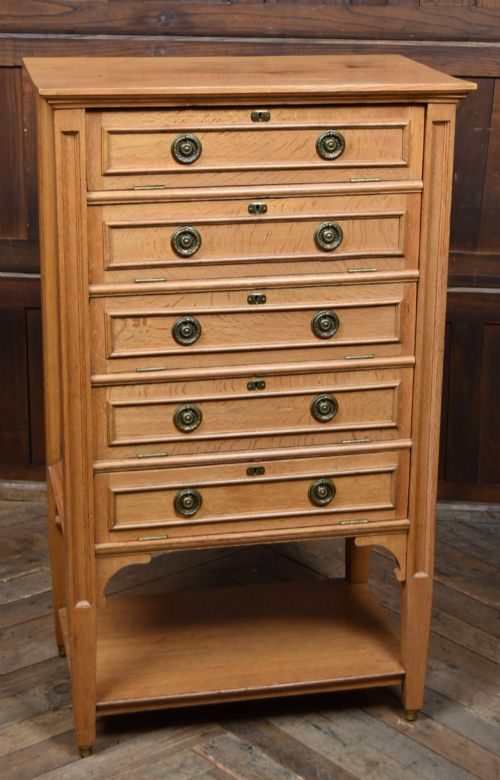
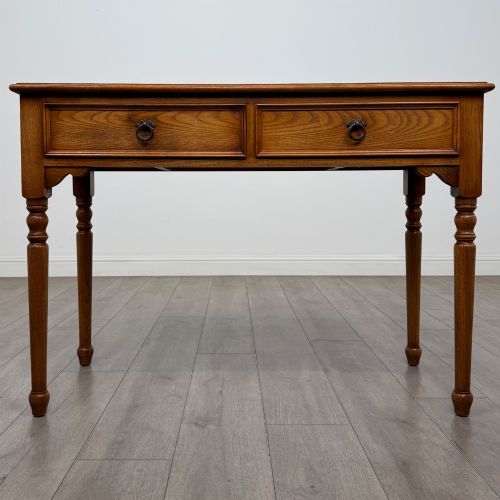
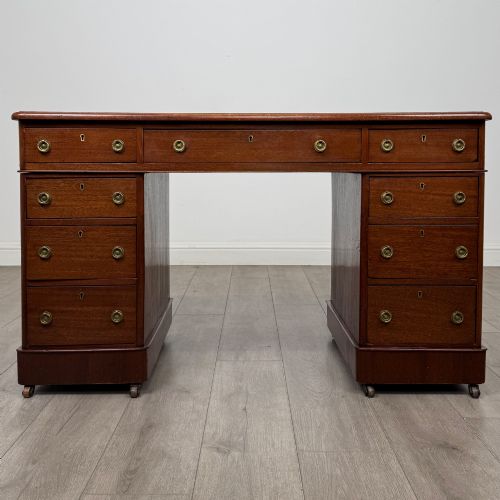
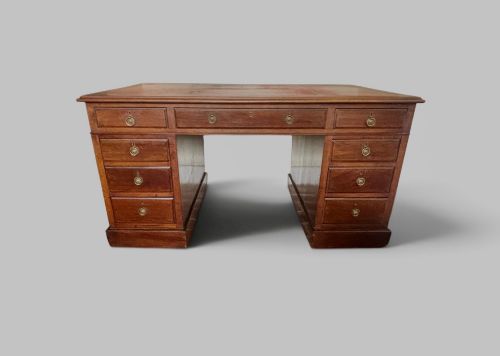
The most common forms on this page include mahogany pedestal desks, oak filing cabinets, and compact writing tables originating from the late nineteenth and early twentieth centuries. Pieces span the Victorian, Edwardian, and early twentieth-century periods, often incorporating kneehole configurations and stationery drawers.
Materials and construction
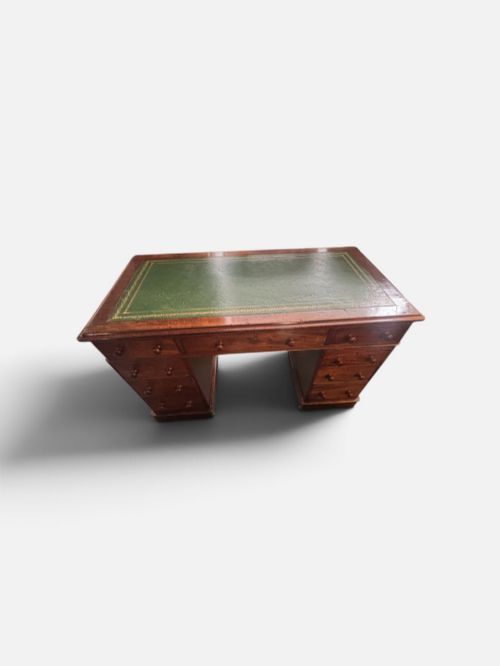
Cabinet makers utilised dense hardwoods such as mahogany, oak, and walnut, frequently enhancing surfaces with burr walnut veneers, satinwood, or leather writing inserts. Metal components, including brass handles, label holders, and shell pulls, complete the functional hardware of these storage items.
Joinery techniques relied on solid timber frames to support heavy daily use in offices and studies. Tambour fronts, fitted stationery compartments, and original pull handles demonstrate the careful construction methods applied to commercial and domestic workspace furniture.
Many multi-drawer filing units retain original metal label holders, preserving the exact alphabetical or numerical filing system used over a century ago.
Assessing quality in office drawers
Quality rests in the selection of timber veneers, the integrity of structural joinery, and the retention of original hardware such as brass handles and leather inserts. Pieces exhibiting refined proportions and secondary woods like solid mahogany demonstrate superior workshop origin.
The standard of execution separates utilitarian storage from finer pieces intended for executive libraries. Original drawer linings, intact label holders, and balanced proportions distinguish finer examples from standard commercial office furnishings.
Edwards and Roberts·Jenners
The Edwardian Office Drawers Glossary
- Pedestal desk
- A heavy writing desk supported by two banks of drawers resting on the floor. These items provide generous kneehole space and extensive surface area.
- Tambour front
- A flexible shutter made of narrow wood strips glued to canvas, allowing a cabinet door to slide open around a curve. This mechanism conceals interior filing compartments.
- Kneehole
- The central recessed space beneath a desk designed to accommodate the user's legs while seated. This area is often flanked by banks of smaller drawers.
- Stationery drawer
- A shallow compartment inside a desk intended for paper, envelopes, and writing instruments. These are frequently found arranged around a central writing surface.
Edwardian Office Drawers: Frequently Asked Questions
What distinguishes an edwardian desk from a victorian one?
Edwardian desks often display lighter proportions and subtler inlay work compared to heavier Victorian counterparts. Timber selections also shift towards lighter satinwood accents and refined walnut finishes.
Construction details and hardware styles help clarify the transition between late nineteenth-century manufacture and early twentieth-century production methods.
How do I maintain leather desk tops?
Leather inserts benefit from gentle cleaning with a slightly damp cloth and occasional application of appropriate leather cream. Avoid harsh chemical cleaners that strip natural finishes.
Keeping surfaces away from direct sunlight preserves both the leather hide and the timber surrounds.
Were these drawers used in homes or offices?
Office drawers served administrative functions in both commercial workplaces and domestic studies or libraries. Multi-drawer banks and filing cabinets were built for intensive clerical organisation.
Pedestal desks accommodated professional correspondence, legal paperwork, and household management tasks alike.
What timber types are most common?
Mahogany and oak dominate the surviving examples, providing durable surfaces for daily administrative work. Walnut and burr walnut appear on more decorative writing tables and executive desks.
Satinwood and metal hardware provide contrasting details across various styles.