


Edwardian Oak Seat
An edwardian oak seat brings sturdy practicality and honest craftsmanship into a hallway or study.
Edwardian Oak Seat
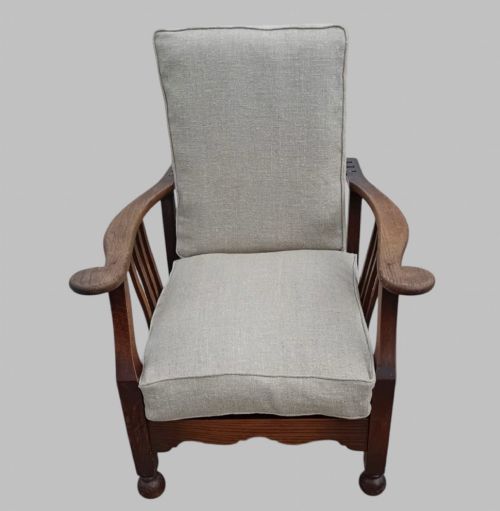
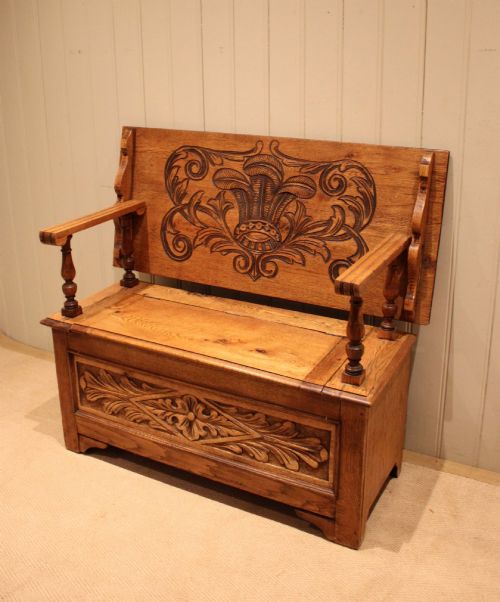
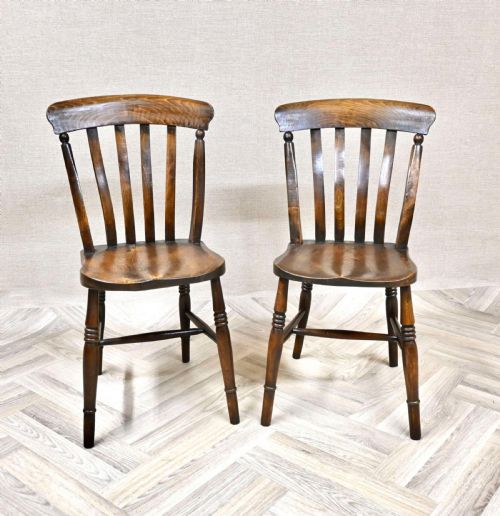
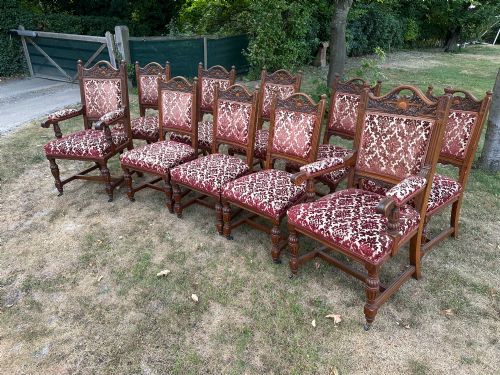
An edwardian oak seat spans utilitarian office chairs, dining sets and multi-functional hall benches designed to anchor domestic spaces. Buyers encountering this selection will discover upright armchairs, swivel desk chairs and lift-lid storage settles originating from the early twentieth century.
The aesthetic bridges late Victorian formality and the stripped-back honesty of the Arts and Crafts movement. Pieces range from simple rustic garden benches to grander carved hall stands equipped with umbrella racks and mirrors.
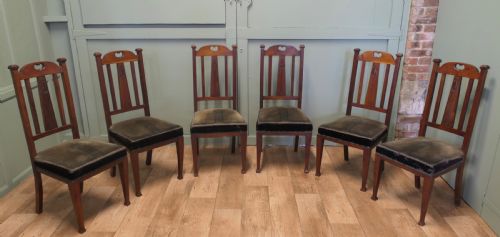
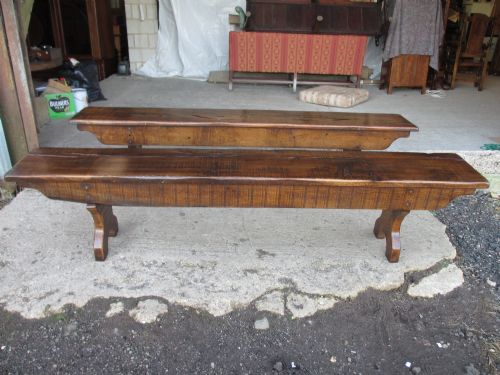
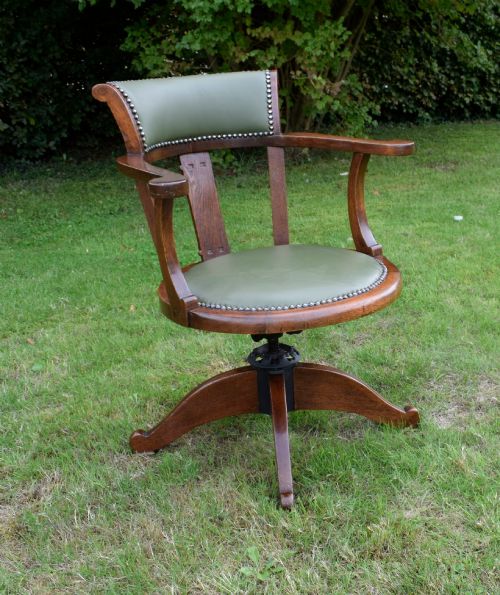
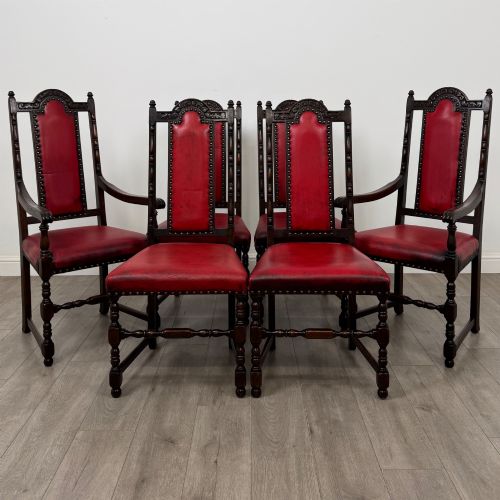
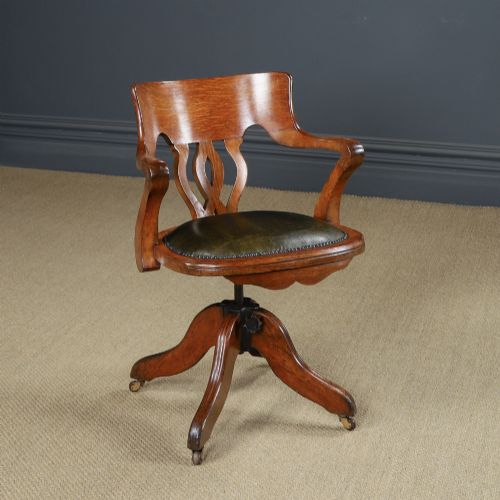
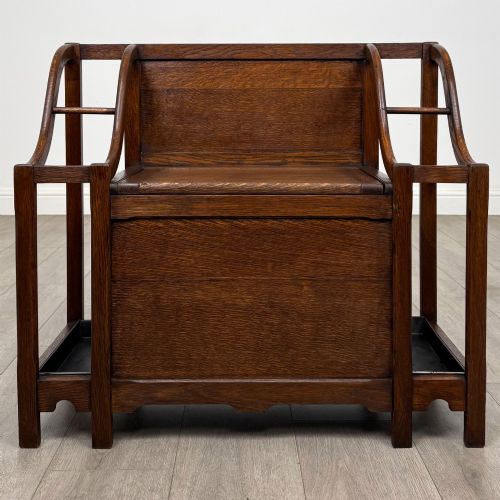
Dining chairs appear frequently in sets, alongside revolving desk armchairs featuring saddle seats or leather pads. Hall seats with hinged lids or panelled backs serve as the most prevalent domestic forms recorded in this category.
Materials and Construction
Solid oak forms the primary structural timber, often selected for its prominent grain and golden or dark tones. Secondary materials such as rush, cane, leather and brass appear in seat pads, upholstery and swivel mechanisms.
Joinery relies on pegged mortise and tenon joints to withstand heavy daily use in busy hallways and offices. Turning, spindle work and low-relief carving define the decorative language without obscuring the natural character of the timber.
Several hall seats double as coat stands and umbrella racks, ensuring visitors faced a barrage of storage options upon entry.
Evaluating Craftsmanship
Quality rests in the weight of the timber, the tightness of the joinery and the integrity of the original hardware. Superior examples display thoughtful proportions and hand-carved detailing rather than mass-produced machine stamping.
The survival of original surfaces, whether polished golden oak or mellow waxed patination, elevates a piece above later refinishing. Seating material such as hand-woven rush or tightly pegged cane also indicates the original standard of manufacture.
Liberty Morris Co·GIllows
The Edwardian Oak Seat Glossary
- Bergere
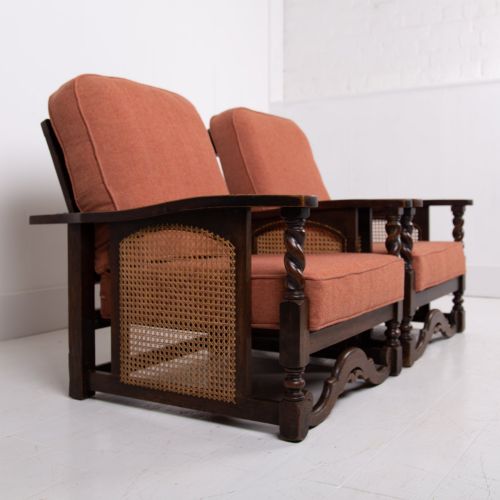
- A wooden-framed armchair with woven cane panels on the back and sides. This French-inspired seating style became popular in lighter drawing room formats.
- Monk's bench
- A multi-functional piece featuring a hinged back that folds down over the seat to form a small table. These items suit compact entrance halls.
- Rush seat
- A woven seating surface made from dried marsh grasses twisted into cords. Traditional country chairs frequently utilise this material for lightness and texture.
- Revolving chair
- An office or library seat mounted on a central threaded spindle allowing height adjustment and rotation. These often incorporate cast iron bases.
- Refectory table
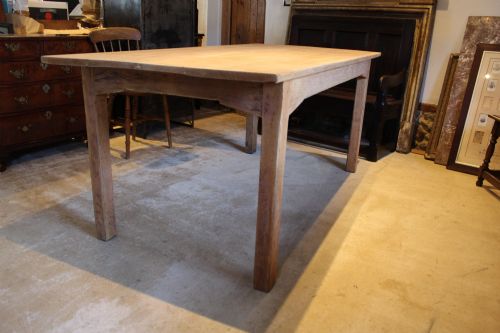
- A long dining table supported by trestles or robust legs connected by stretchers. Edwardian iterations often match the heavier oak seating styles.
Edwardian Oak Seat: Frequently Asked Questions
How do I identify an Edwardian oak seat?
Look for honest construction, golden oak grain and stylistic influences drawn from Arts and Crafts simplicity or Jacobean revival motifs. The proportions tend to balance heavy utility with domestic comfort.
Hardware such as brass castors or iron swivel mechanisms helps anchor the manufacturing period around the early twentieth century.
Were these seats used in offices or homes?
Edwardian oak seating served both domestic and commercial environments depending on the specific form. Swivel chairs and clerk's stools populated professional offices and home studies.
Meanwhile, hall benches, window seats and dining chairs furnished country houses and urban reception rooms.
Can I use a hall seat for daily storage?
Many surviving examples feature hinged lift-up lids or under-seat box compartments designed specifically for domestic storage. These compartments accommodated blankets, boots and hallway clutter.
The internal box construction remains sturdy enough for regular opening in modern hallways.
How do I care for antique oak furniture?
Maintain the timber by applying a quality beeswax periodically to nourish the grain and preserve the surface sheen. Avoid placing wooden seating near direct heat sources to prevent timber splitting.
Natural oils in the hands and daily use will continue to enhance the patination over time.