
Edwardian Oak Refectory Table
An edwardian oak refectory table brings sturdy communal dining and vernacular warmth into a room.
Edwardian Oak Refectory Table
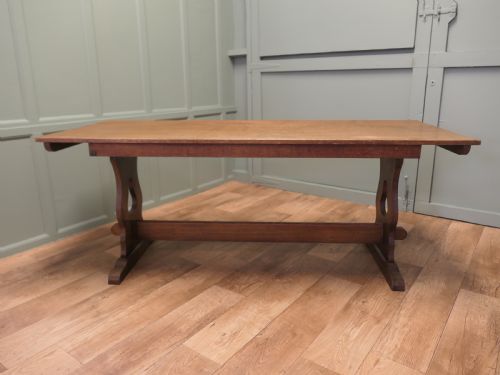
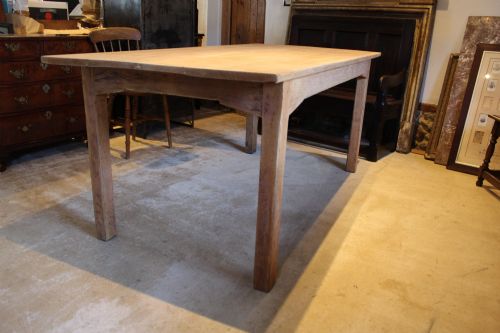
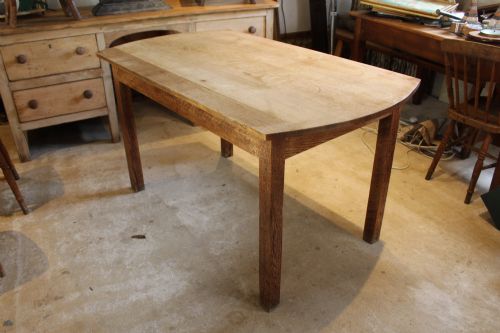
An edwardian oak refectory table is a long dining surface built for communal gatherings, taking inspiration from earlier monastic and farmhouse boards. These pieces emerge predominantly from the early twentieth century, reflecting both utilitarian institutional origins and domestic Arts and Crafts ideals.
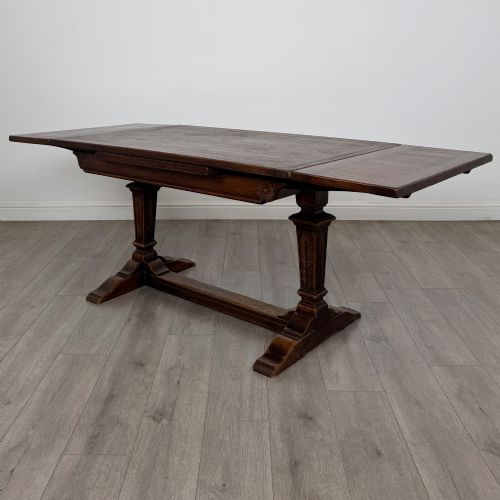
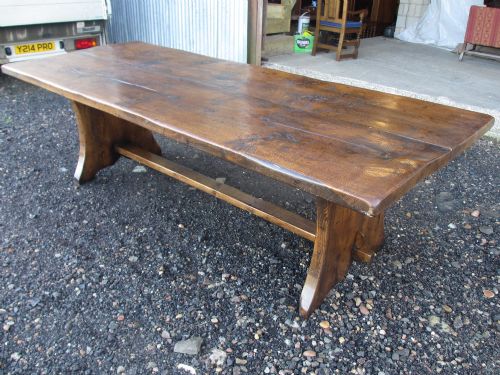
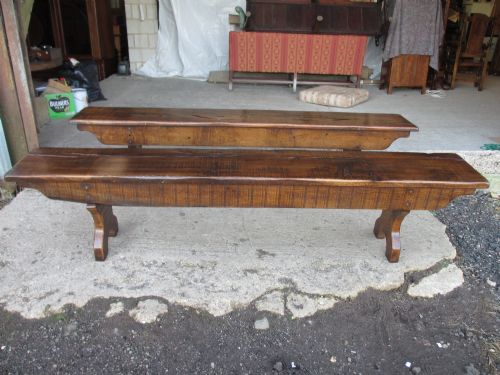
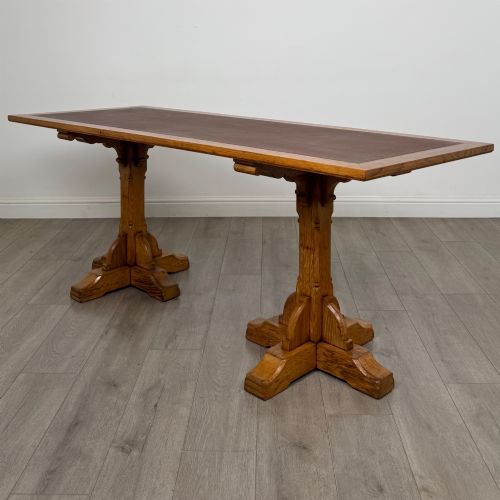
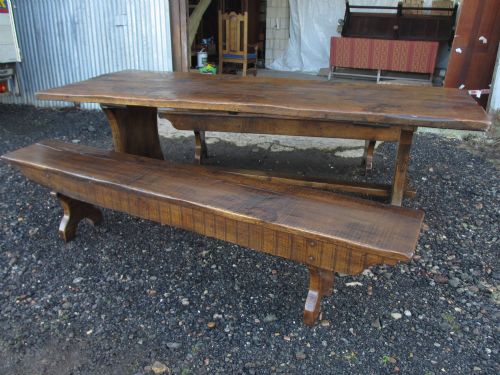
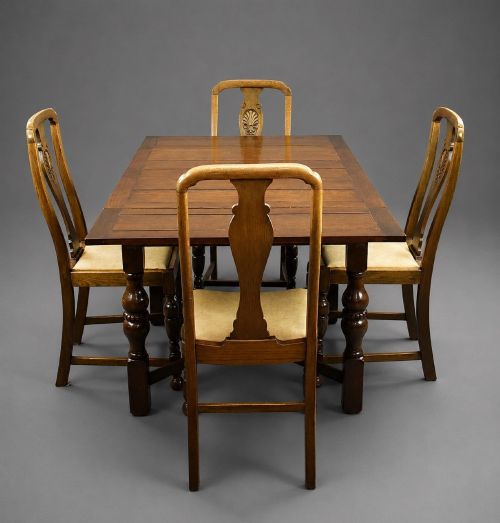
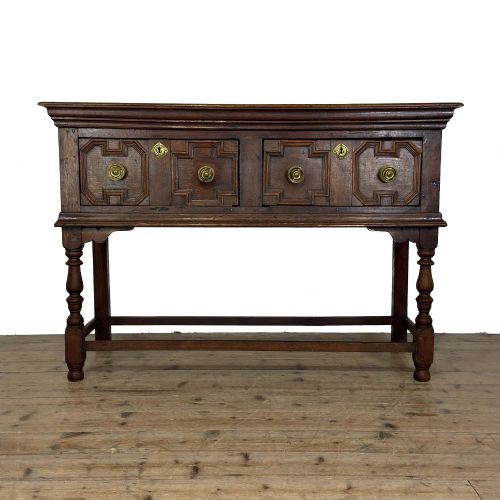
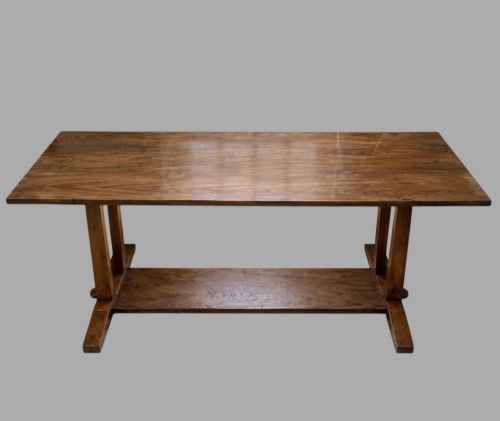
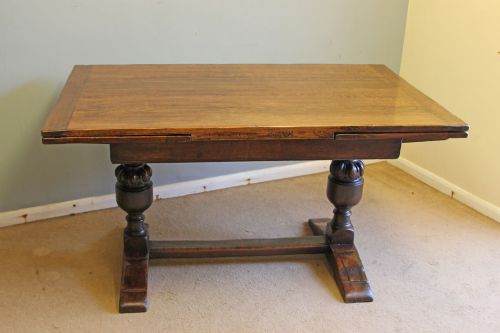
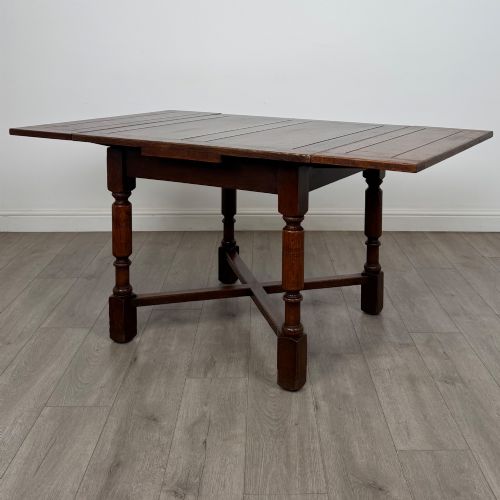
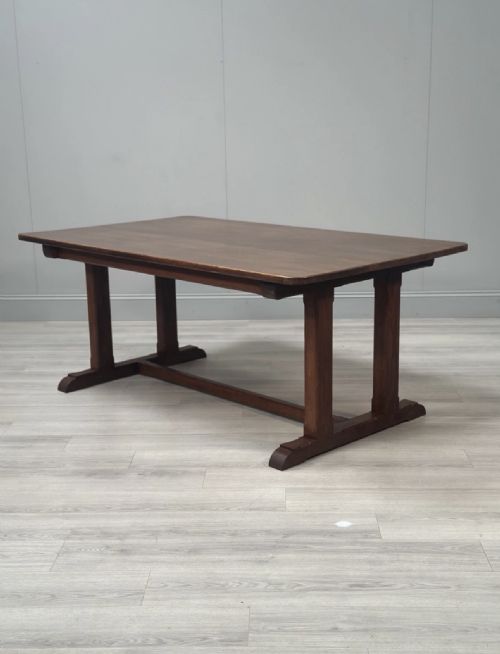
Buyers meet variations ranging from heavy trestle ends to carved baluster legs and draw leaf extension systems. The form serves country kitchens and large dining rooms alike, frequently appearing alongside matching benches or farmhouse chairs.
How they were made
Makers utilised solid timber construction, selecting quarter-sawn oak for its prominent medullary rays and structural stability. Secondary woods such as elm and pine appear occasionally in underframes and secondary surfaces.
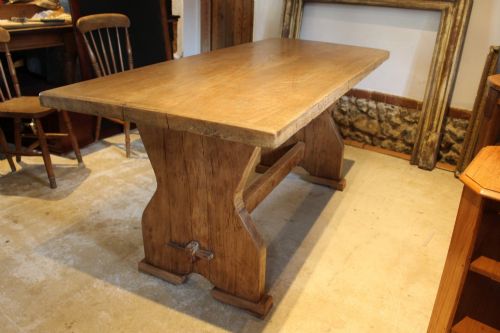
Joints rely on traditional pegging and mortise and tenon construction to withstand daily heavy use. Surface treatments range from unpolished scrub tops to waxed golden finishes that highlight the natural grain.
Listings feature oak predominantly, alongside occasional elm and pine, spanning periods from the nineteenth century into the nineteen forties.
What varies in quality
The distinction between ordinary and exceptional examples lies in the selection of timber and the integrity of the underframe. Quarter-sawn boards with deep figuration indicate superior material choice compared to plain-sawn alternatives.
Proportion and architectural detailing set finer pieces apart, particularly those reflecting the hand of workshops like Heals or designers such as Sir Robert Lorimer. Substantial trestle ends and balanced stretcher placement govern the visual weight of the furniture.
Heals of London·Sir Robert Lorimer·Maple and Co
The Edwardian Oak Refectory Table Glossary
- Refectory table
- A long dining table traditionally used in monastic refectories for communal meals. These examples adapt the vernacular form for Edwardian domestic and institutional interiors.
- Draw leaf
- An extension mechanism where two leaves slide out from beneath the main top. This allows the surface length to increase without removing the central board.
- Quarter-sawn oak
- Timber cut radially from the growth rings to produce distinct figuring. This method yields boards that shrink and warp less than plain-sawn timber.
- Trestle ends
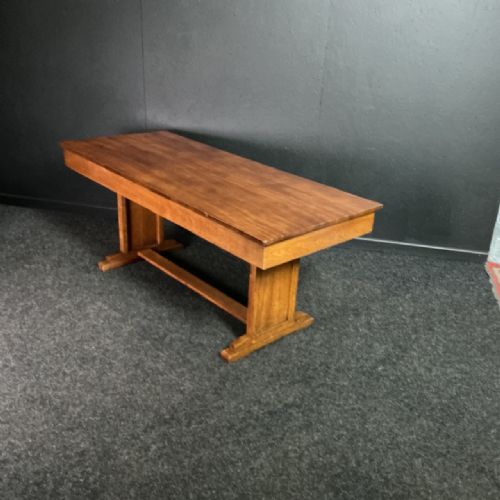
- Support structures consisting of vertical feet connected by a horizontal beam or stretcher. They provide stability and allow legroom along the full length of the table.
- Baluster
- A moulded column or shaft supporting the tabletop. They appear turned or carved in Jacobean Revival and Arts and Crafts designs.
Edwardian Oak Refectory Table: Frequently Asked Questions
How many people do they seat?
Most boards accommodate six to eight diners comfortably, while larger institutional examples seat ten or more. Length and the placement of trestles determine the seating capacity.
Matching benches or loose chairs complete the setup depending on whether the piece originates from a school or a domestic dining room.
How do I identify the period?
Dating relies on construction methods, timber selection, and stylistic markers such as Arts and Crafts simplicity or Jacobean Revival carving. The majority date from around nineteen hundred to nineteen twenty.
Maker labels or provenance from institutional settings like public schools provide further chronological confirmation.
Can I use one in a modern kitchen?
Solid timber surfaces adapt well to contemporary kitchens and dining spaces, offering robust everyday utility. Their enduring proportions suit both rustic and minimalist interior schemes.
Maintenance involves simple waxing to protect the wood grain from daily moisture and wear.
What is a draw leaf mechanism?
Draw leaves are concealed extension panels that pull out from beneath the main top when extra seating space is required. This system keeps the primary surface clean while providing flexibility.
The leaves slide smoothly on wooden runners integrated into the underframe.