


Edwardian Oak Office Chest
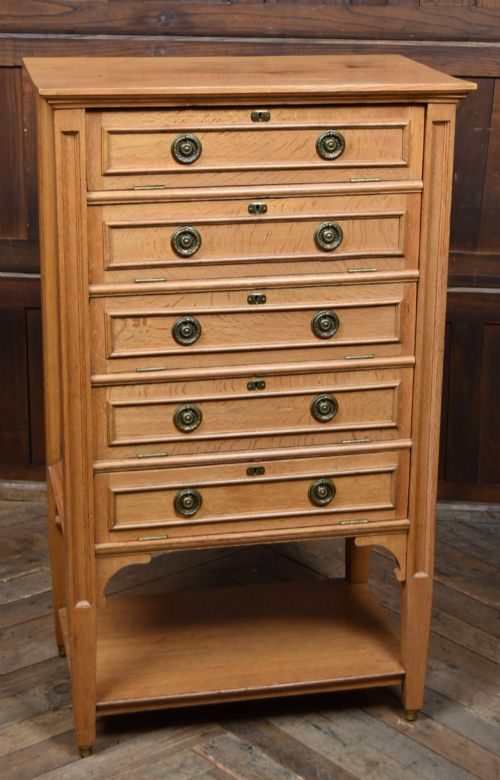
These edwardian oak office chest pieces are robust workspace storage solutions designed for practical utility and period character.
Edwardian Oak Office Chest
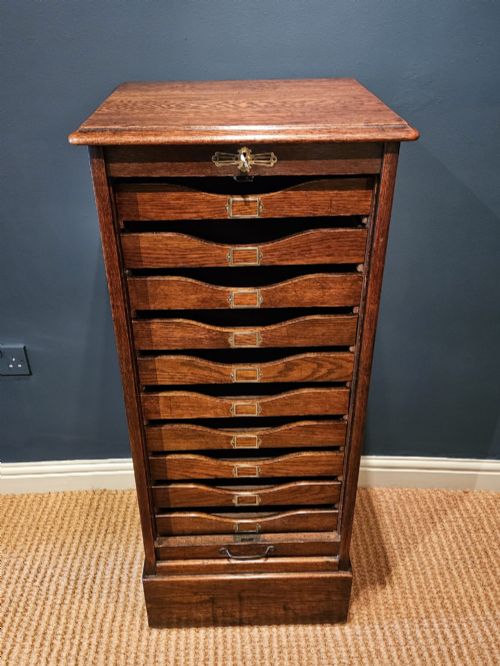
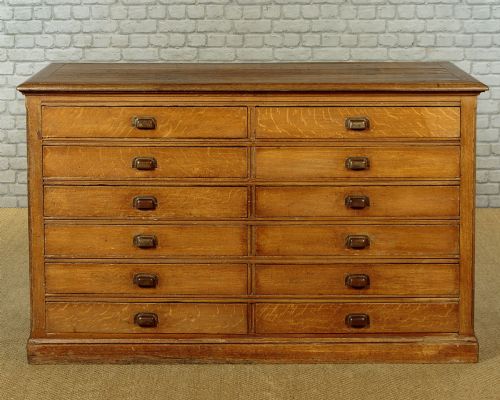
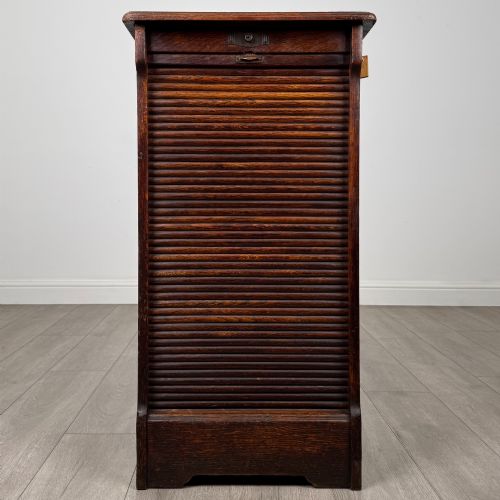
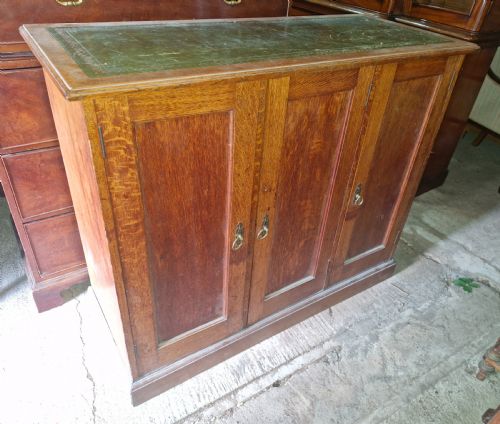
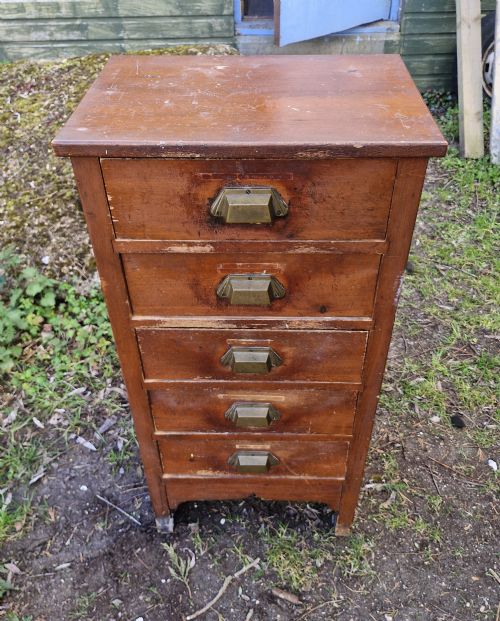
When searching for an edwardian oak office chest, buyers encounter functional workspace storage from the late nineteenth and early twentieth centuries. These forms serve primarily as filing cabinets, banks of drawers, and tambour front cabinets designed for administrative efficiency.
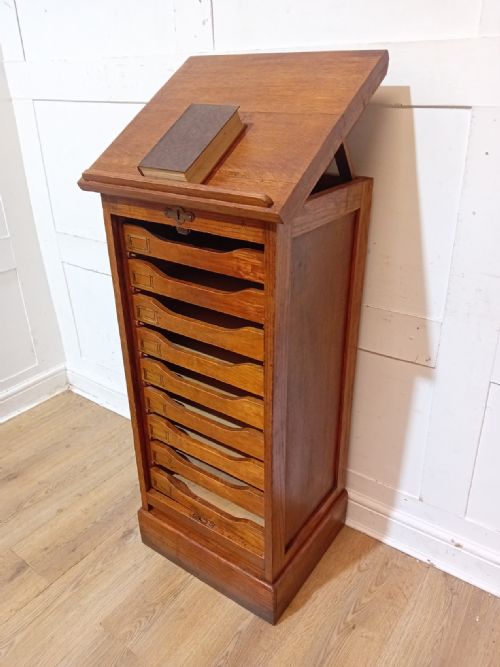
The pieces on this page lean heavily into Edwardian production, supplemented by late Victorian and early twentieth-century examples. Common formats include multi-drawer filing units, modular letter files, and specialised storage designed for music or documents.
Originating mostly from commercial and domestic offices of the period, these pieces prioritize sturdy utility over delicate ornamentation. Oak dominates the construction, paired with utilitarian hardware suited for daily clerical work.
How they were made
Construction relies heavily on solid oak and oak veneers, providing the durable framework necessary for heavy office use. Secondary woods like pine appear in internal partitions and drawer linings.
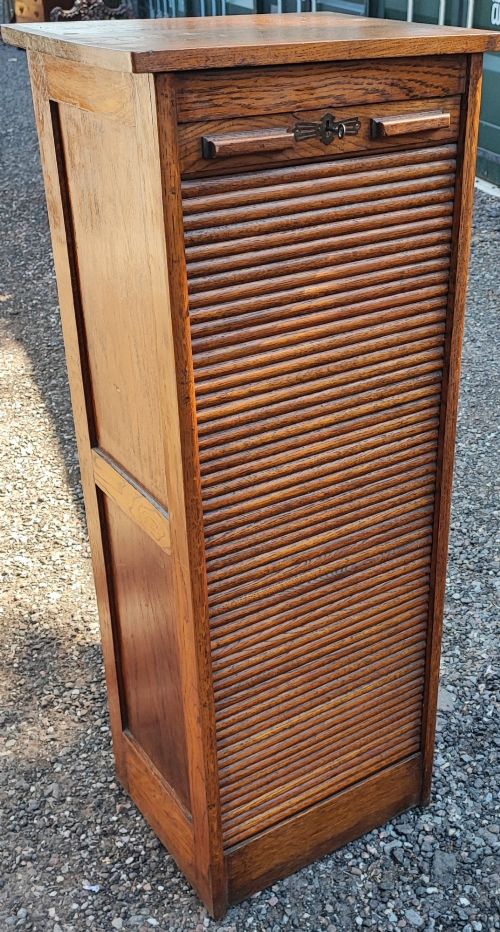
Hardware consists of brass and other metals utilised for handles, label holders, and locking mechanisms. Tambour fronts employ flexible wooden slats running in tracked channels to conceal interior filing compartments.
Listings feature oak construction combined with brass, metal, canvas, and leather elements across Edwardian and early twentieth-century periods.
What varies in quality
Quality in an edwardian oak office chest rests on the integrity of the mechanism, particularly in tambour doors and multi-drawer banks. Smooth operation of sliding slats and well-fitted drawer runners distinguish finer workshop output from basic utility items.
The presence of branded patent mechanisms or specialised maker attribution elevates certain pieces above standard commercial furniture. Superior examples retain original brass hardware and well-figured oak timber without excessive replacement parts.
Amberg·Shannon·Simpoles of Manchester
The Edwardian Oak Office Chest Glossary
- Tambour front
- A sliding shutter door made from narrow strips of wood glued to a canvas or leather backing. This mechanism allows the door to track around a curve and conceal the interior shelving.
- Filing cabinet
- A piece of office furniture designed to store documents in drawers or vertical hanging systems. These units formed the backbone of early twentieth-century administrative record keeping.
- Bank of drawers
- A vertical stack of multiple shallow drawers intended for sorting papers, stationery, or small items. They are commonly found in Edwardian offices and commercial establishments.
- Writing bureau
- A desk featuring a sloping fall front that folds down to provide a writing surface over a bank of drawers. Interiors typically contain pigeonholes and small compartments for correspondence.
- Haberdashery cabinet
- A multi-drawer storage unit originally utilised in retail drapery shops to hold ribbons, threads, and small accessories. Collectors repurpose these shallow drawer banks for modern domestic organisation.
Edwardian Oak Office Chest: Frequently Asked Questions
How do I use an office chest today?
These pieces integrate easily into modern home studies and living spaces for organising stationery, paperwork, and media. Their compact footprints and multiple drawers provide practical storage solutions while adding period character.
Care should be taken to place them away from direct heat sources to protect the solid oak timber and traditional finishes.
What is a tambour front cabinet?
A tambour front cabinet utilises flexible wooden slats attached to a fabric backing that slide along a recessed track. This design allows the door to roll open and disappear into the sides of the cabinet.
It offers a space-saving alternative to hinged doors in cramped office environments.
How do I date an oak office chest?
Dating relies on examining construction methods, hardware styles, and patent marks recorded on the piece. Edwardian and early twentieth-century pieces often feature standardised brass label holders and specific locking mechanisms.
Comparing the timber grain and internal secondary woods like pine helps narrow the production era.
Are these pieces suitable for heavy daily use?
Solid oak construction and robust metal hardware make these cabinets exceptionally durable for everyday storage requirements. The heavy-duty drawers and filing mechanisms were built to withstand rigorous commercial environments.
Routine maintenance of the sliding tracks and drawer runners ensures smooth operation over time.