

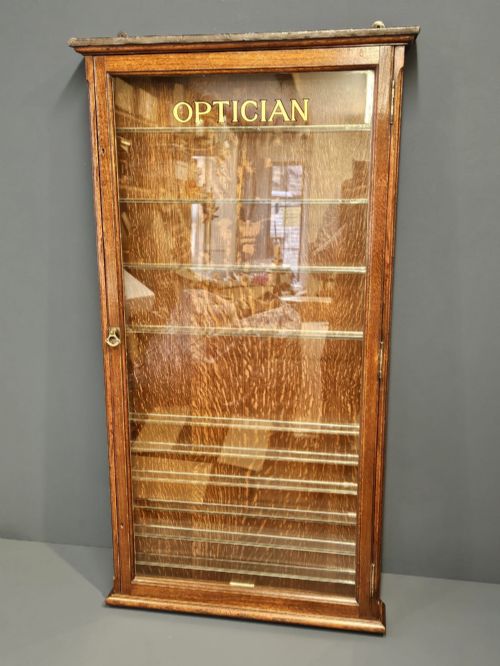


Edwardian Oak Letter Cabinet
These pieces of an edwardian oak letter cabinet are desktop and wall-mounted storage forms built to keep correspondence organised.
Edwardian Oak Letter Cabinet
An edwardian oak letter cabinet encompasses desk accessories, stationery boxes, letter boxes, and filing cabinets made from timber. You will most frequently encounter fall-front stationery cabinets, desk tidies, and postboxes dating from the late nineteenth century through to the nineteen-twenties.
The selections include country house postboxes, patent letter files, and wall-mounted variations with brass hardware. Pieces span from eighteen-sixty industrial and domestic examples up to nineteen-twenty school library and office fittings.
How they were made
Makers utilised solid oak, frequently golden oak, combined with brass for handles, hinges, and lock escutcheons. Interior fittings occasionally incorporate glass, paper, and fabric linings or partitions to segregate letters and writing materials.
Construction methods range from drop-front mechanisms and fall-front desks to wall-hanging boxes and multi-drawer filing structures. Mechanical patents, such as Amberg systems, appear alongside fitted interiors holding ink bottles and adjustable dates.
Edwardian Oak Letter Cabinet Retail Price Guide 2026
Typical asking prices for edwardian oak letter cabinet among the pieces listed under this phrase on Sellingantiques today, from the lower quarter to the upper quarter. They describe what is for sale here now, not the wider market.
Some boxes arrive complete with forgotten Victorian postage stamps still tucked behind wooden partitions.
What varies in quality
The distinction between standard utility items and finer examples rests on the integration of hardware and secondary materials like good glass ink bottles. Elaborate stationery cabinets from country houses display superior timber selection and more complex internal compartments.
Workmanship shows in the cleverness of patent mechanisms and the weight of the brass mountings applied to the oak carcass. Simpler desktop boxes contrast with substantial institutional filing units and fitted inkstands.
The Edwardian Oak Letter Cabinet Glossary
- Fall-front
- A hinged panel that folds downwards to reveal internal letter compartments and writing surfaces. This mechanism permits quick access to desk accessories.
- Stationery cabinet
- A box or desk tidy designed specifically to hold writing paper, envelopes, and ink. These pieces sit upon desks or hang on walls.
- Patent letter file
- A mechanised filing system designed to organise correspondence securely. Examples include Amberg patent cabinets from nineteen hundred.
- Inkstand
- A desktop stand incorporating ink bottles and a stationery or letter box. These coordinate pieces served writing desks in domestic settings.
Edwardian Oak Letter Cabinet: Frequently Asked Questions
What is an edwardian oak letter cabinet used for?
These cabinets served to sort incoming and outgoing post, letters, and writing paper in homes and offices. Interiors typically hold envelopes, stamps, and ink bottles.
Today, they function as practical desktop tidies for modern correspondence, stationery, or small household items while retaining their period aesthetic.
How do I date an oak letter cabinet?
Dating relies on stylistic clues, hardware materials, and mechanical patents such as Amberg systems. Pieces range from eighteen-sixty Victorian Gothic and late-nineteenth-century designs to nineteen-twenty school library fittings.
Labels, patent stamps, and the complexity of internal compartments also help establish the exact period of manufacture.
Where should I place a letter cabinet?
Desktop models sit comfortably on a writing desk, side table, or hallway surface for daily use. Wall-mounted variations require secure fixings into appropriate masonry or studwork.
Keep them away from direct heat sources and strong sunlight to protect the oak timber and any interior fabric linings.