


Edwardian Napkin Holders
Edwardian napkin holders are practical table accessories designed to keep linen tidy, and collectors seek them for their fine metalwork and period charm.
Edwardian Napkin Holders
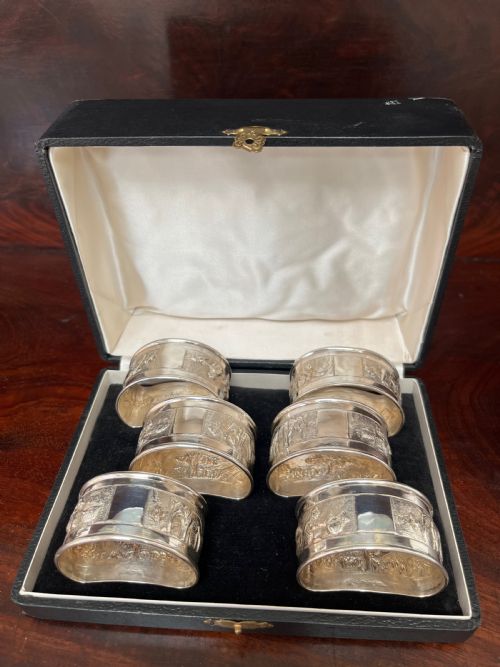
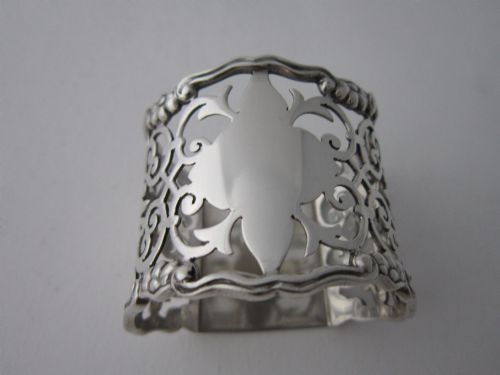
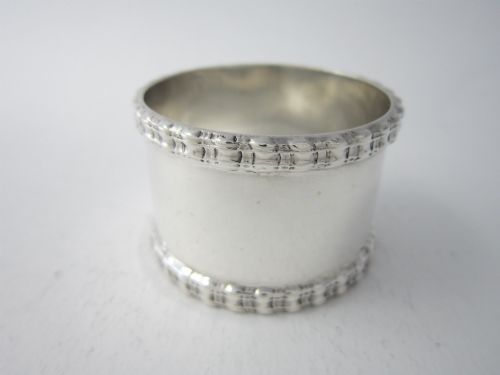
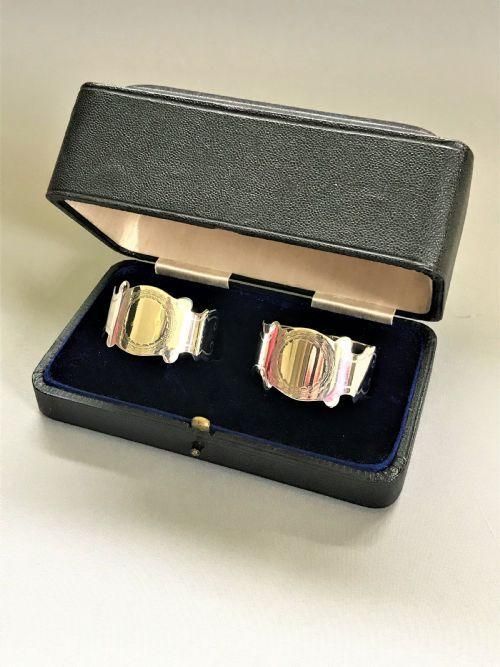
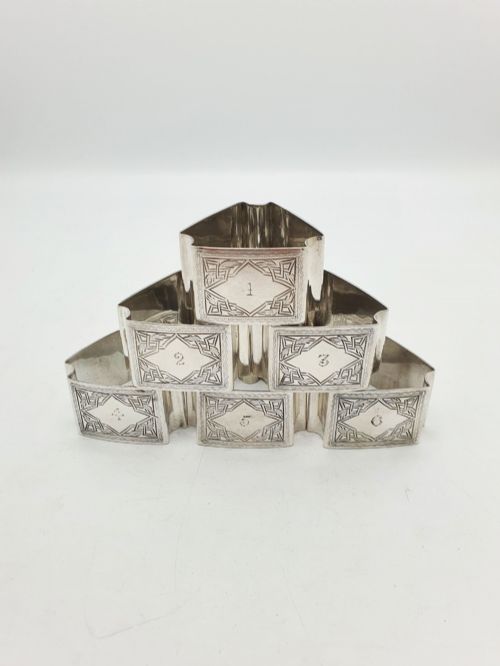
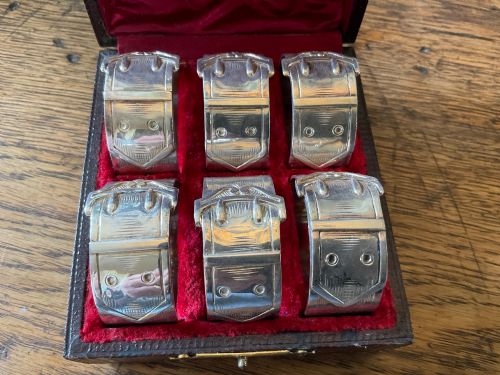
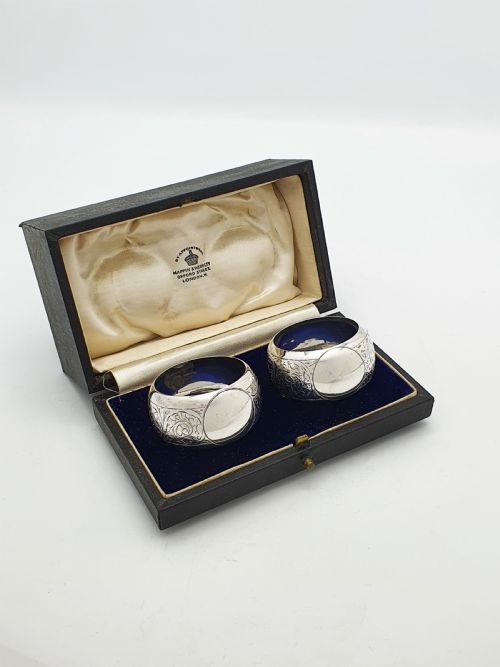
When you search for edwardian napkin holders, you encounter a selection of silver, silver plate, and pewter pieces originating predominantly from the early twentieth century alongside related Victorian and George V examples. These items appear singly or in matched pairs and cased sets, sometimes numbered or modelled in imaginative shapes such as belt buckles.
The assortment extends to functional variants including napkin clips and toast racks, reflecting the formal dining habits of the period. While many items date directly from the Edwardian era, the selection also incorporates objects from adjacent decades produced in silver and mixed materials.
What varies in quality
The distinction between standard production and the top of the range rests on the maker's reputation, the thickness of the silver or metal used, and the presence of specialist decorative techniques like enamel work. Pieces bearing hallmarks from notable workshops or designers command greater attention from collectors due to their superior artistic design.
The completeness and original condition of fitted cases lined with velvet, silk, or leather also influence the standing of a set. Well-preserved original boxes and clean, crisp engraving elevate ordinary tableware into notable examples of period craftsmanship.
Listings feature sterling silver, silver plate, and pewter across periods from the Victorian era through the 1950s.
C.T. Burrows & Sons·Tiffany & Co·Liberty & Co·Mappin & Webb·Guild of Handicraft·Hukin & Heath
The Edwardian Napkin Holders Glossary
- Hallmark
- An official stamp applied to precious metals indicating the assay office, metal standard, and date letter. These marks allow collectors to date silver items accurately.
- Sterling silver
- An alloy containing a high proportion of pure silver combined with other metals to ensure durability. This material forms the basis of many pieces on the page.
- Silver plate
- A base metal coated with a thin layer of silver through electroplating or other chemical processes. It provided an affordable alternative to solid silver.
- Pewter
- A malleable metal alloy composed largely of tin, traditionally used for domestic vessels and decorative objects. It yields a distinctive dull grey finish.
- Toast rack
- A small table frame with vertical metal divisions designed to hold slices of toast upright. This form frequently shares stylistic traits with napkin rings.
Edwardian Napkin Holders: Frequently Asked Questions
How do I date a silver napkin ring?
Look for the assay office mark, standard mark, and date letter stamped directly onto the metal surface. These official hallmarks provide the exact year and location of manufacture.
Style and case design also offer clues when hallmarks are rubbed or absent. Comparing the typography and decorative motifs helps narrow down the period.
Were napkin holders used daily?
Middle and upper-class households utilised them during formal dining to identify individual linen napkins between meals. Numbered sets ensured family members or guests retained their specific napkin throughout the week.
They were kept on the dining table or stored in fitted presentation cases when not in active use. Cased sets were frequently given as christening or wedding gifts.
What is the difference between a ring and a clip?
Napkin rings are rigid circular bands that encircle a rolled napkin, whilst napkin clips use a spring mechanism or tension to attach the linen directly to clothing. Both serve the same primary function of keeping napkins accessible during a meal.
Clips are less common and often feature shield shapes or decorative terminals. Rings appear more frequently, both individually and in large matched sets.
How should I clean antique silver?
Use a soft microfibre cloth and a mild silver polish designed specifically for antique metals. Avoid aggressive rubbing that can wear away thin silver plate or soften crisp hallmarks.
Store pieces in dry conditions away from direct sunlight to minimise tarnishing. If the item includes silk or velvet lining, keep moisture away from the interior fabric.