


Edwardian Metal Storage Box
An Edwardian metal storage box brings robust utility and period character to domestic spaces, offering durable containment shaped by early twentieth-century craftsmanship.
Edwardian Metal Storage Box
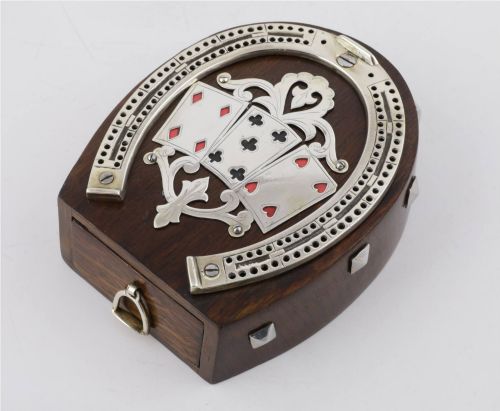
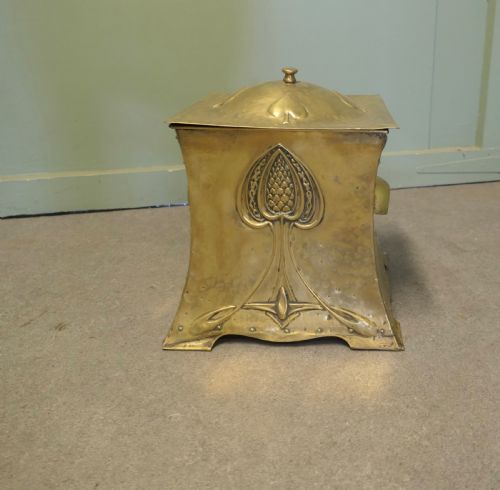
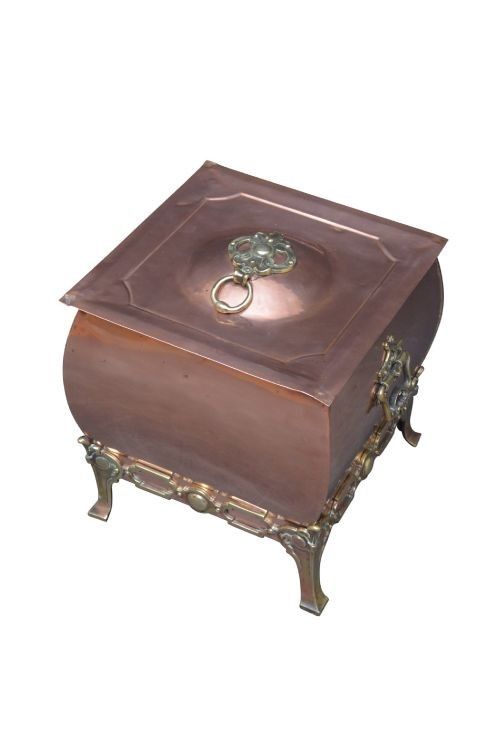
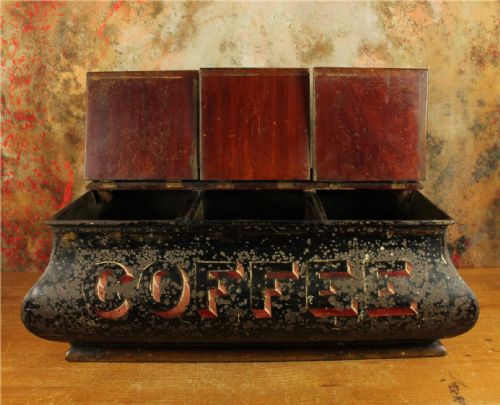
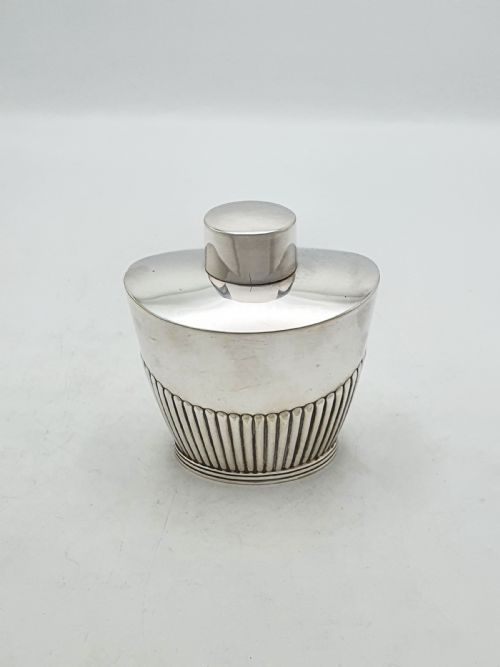
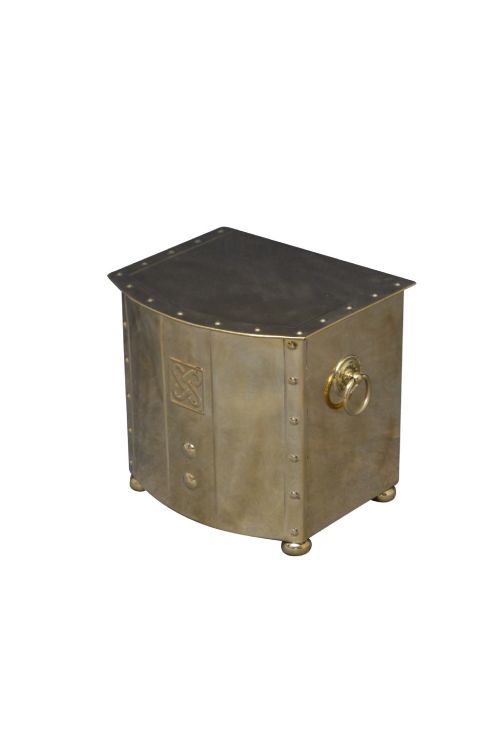
The search phrase edwardian metal storage box encompasses a diverse group of utilitarian vessels, ranging from coal bins and log buckets to tea caddies, deed boxes, and novelty biscuit tins produced around the turn of the twentieth century. These items emerge from various periods including the Victorian era, the Edwardian years, and the early twentieth century, reflecting the robust manufacturing output of those decades. Buyers will encounter forms spanning plain sheet metal document boxes to decorative brass and copper fireside vessels.
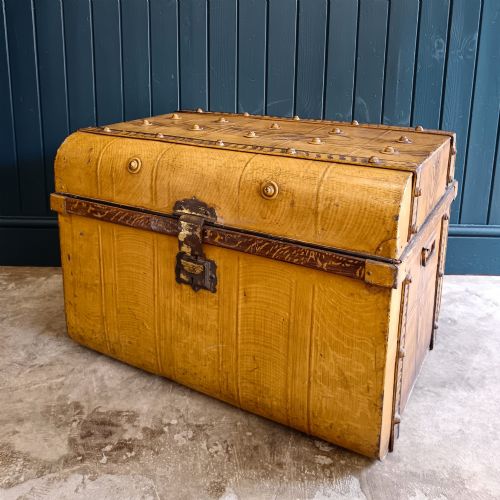
Many surviving examples demonstrate specific stylistic influences, such as Arts and Crafts, Art Nouveau, and military campaign designs, alongside everyday domestic pieces like toleware kitchen buckets and painted steamer trunks. Materials vary from iron, steel, and zinc to copper and brass, frequently combined with wood or leather elements to create sturdy receptacles for travel or fireside use. This breadth means a buyer can select everything from a heavy-duty oak-lined silver chest to a diminutive novelty biscuit tin.
The domestic interior of the period relied heavily on such metal containers for organisation and fuel storage, meaning many items show purposeful construction designed to withstand hard daily use. Decorative versions incorporate painted finishes, spade decoration, or repoussé work, bridging the gap between functional workshop creation and parlor ornament. Consequently, these pieces suit contemporary interiors as practical storage solutions with distinct historical provenance.
How they were made
Construction relies primarily on metals such as iron, steel, brass, copper, and sheet metal, often shaped through hand-beating, riveting, or soldering to form durable containers. Many trunk and chest variants incorporate internal wooden framing or external iron bands to provide structural rigidity during transport or heavy household service.
Surface treatments define much of the character in these objects, utilising faux-wood painted finishes, black japanning, silver plating, or toleware enamel to protect the base metal and add visual appeal. Specialised applications like zinc linings in travel trunks and fitted compartments in silver chests indicate a high degree of interior planning by makers addressing specific storage requirements.
Materials span copper, iron, brass, steel, and toleware, alongside oak and leather combinations.
What varies in quality
Quality in these storage pieces rests upon the integrity of the original construction, distinguishing between mass-produced utilitarian containers and bespoke items created for specific domestic or military application. Heavier gauge metals, robust locking mechanisms, and intact internal linings separate superior campaign chests and deed boxes from lighter domestic tins.
The degree of artistic execution also marks the upper tier of the range, visible in hand-worked copper repoussé details, refined brass mounts, or carefully preserved novelty painted finishes. Pieces retaining original fitted trays, working keys, and maker marks demonstrate a higher level of preservation and original craftsmanship.
Mappin and Webb·Thomas Bradbury·Huntley and Palmers·Allen of London·Peek Frean and Co·JH Browne
The Edwardian Metal Storage Box Glossary
- Toleware
- Painted or lacquered metalware, typically tin or sheet iron, decorated with applied pigments. This technique was frequently utilised for household buckets, document boxes, and trays during the nineteenth and early twentieth centuries.
- Campaign case
- Portable furniture and storage designed for military officers or travellers on the move. These pieces often feature recessed brass handles, reinforced corners, and robust locks to endure rigorous transport.
- Deed box
- A secure metal container, usually constructed from steel or iron, meant for storing legal documents and valuable papers. They often include fall-front panels and lever locks for added security.
- Silver chest
- A heavy wooden box, frequently reinforced with steel or iron bands and lined with baize or leather, designed to hold family silver. Examples from this era often include fitted internal trays and robust carrying handles.
- Coal scuttle
- A container specifically designed to hold coal for a domestic hearth, commonly fashioned from copper or brass. These vessels often include matching shovels or spade decorations.
Edwardian Metal Storage Box: Frequently Asked Questions
What were metal storage boxes used for originally?
These containers served varied domestic and travel purposes, from holding household coal by the hearth to securing legal deeds and transporting personal belongings on steamships. Many functioned as everyday kitchen receptacles or specialised storage for biscuits and tea.
Industrial and domestic requirements dictated the choice of material, ensuring heavy items like iron and steel protected valuables, while copper and brass decorated formal rooms.
How do I care for antique metal boxes?
Maintenance requires keeping metal surfaces dry and free from moisture to prevent rust or tarnishing on iron and steel components. Dusting with a soft cloth preserves painted finishes and patinated copper without stripping historical character.
Harsh chemical polishes should be avoided on aged brass and toleware surfaces to maintain the integrity of the original finish and surface wear.
How can I tell the difference between Victorian and Edwardian examples?
Victorian storage pieces often display heavier, more ornate construction with dark woods, extensive iron banding, and utilitarian solidity. Edwardian iterations frequently embrace lighter proportions and decorative influences from Arts and Crafts or Art Nouveau movements.
Makers' marks and structural hardware styles also provide chronological clues, though stylistic overlap remains common during transitional decades.
Are novelty biscuit tins considered storage boxes?
Novelty biscuit tins function as decorative storage containers designed to resemble entirely different objects, such as books, satchels, or carved wooden boxes. Manufacturers like Huntley and Palmers produced these to appeal to collectors and householders who valued whimsical presentation.
Despite their original perishable contents, their robust metal construction allowed them to survive as enduring small keepsake boxes.