


Edwardian Metal Stand
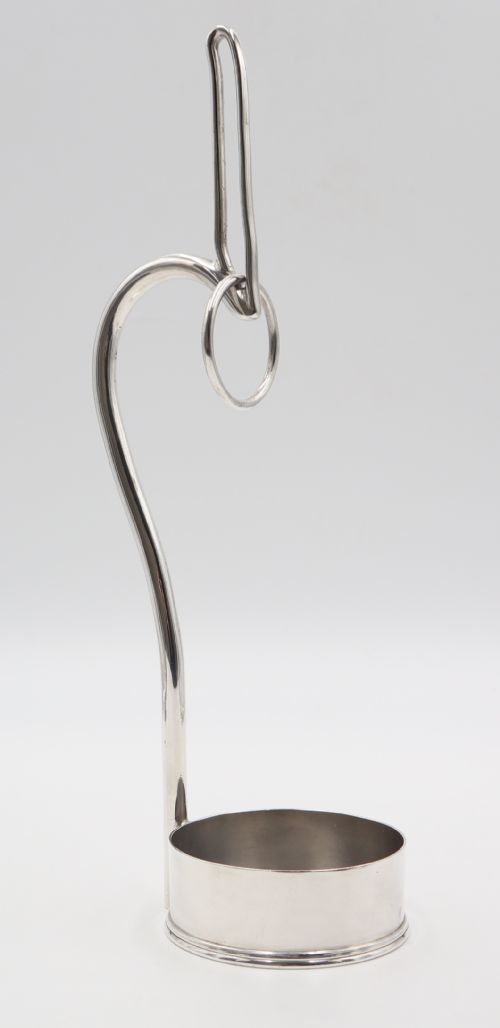
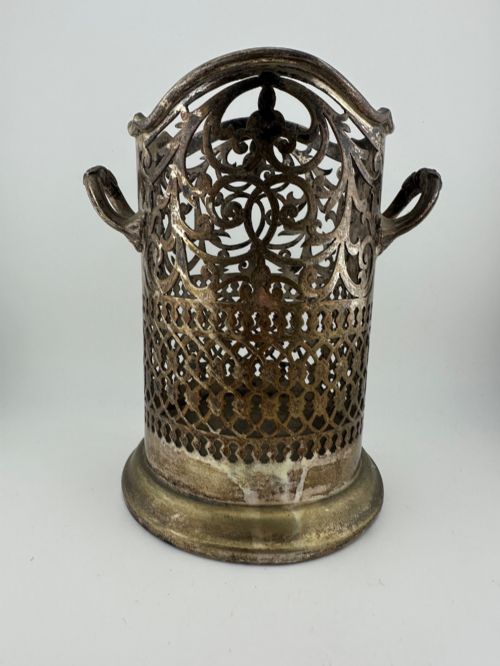
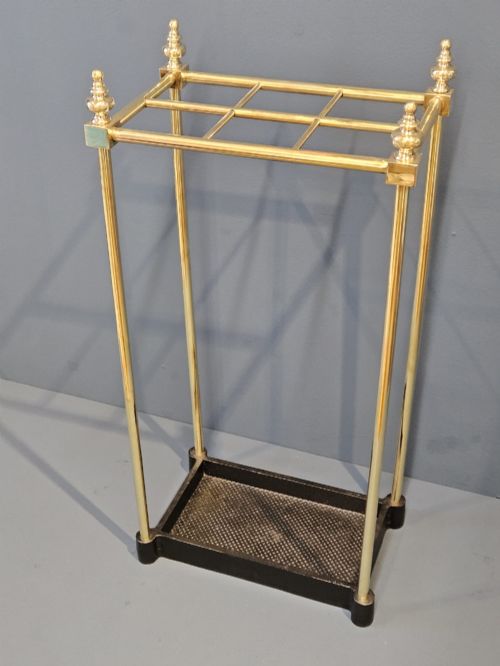
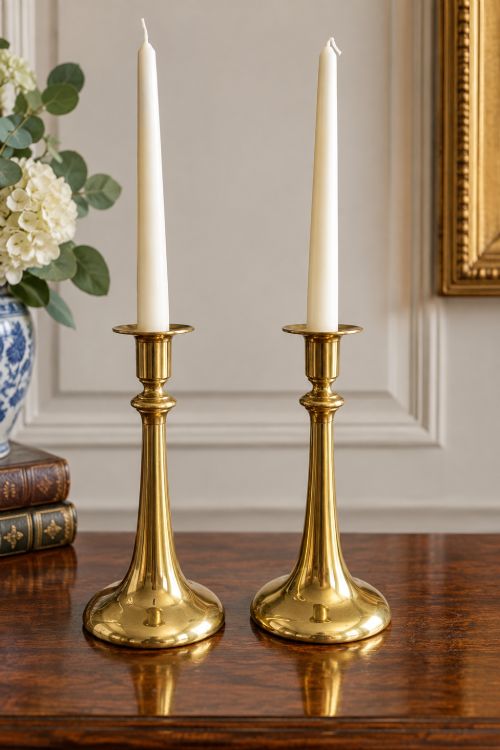
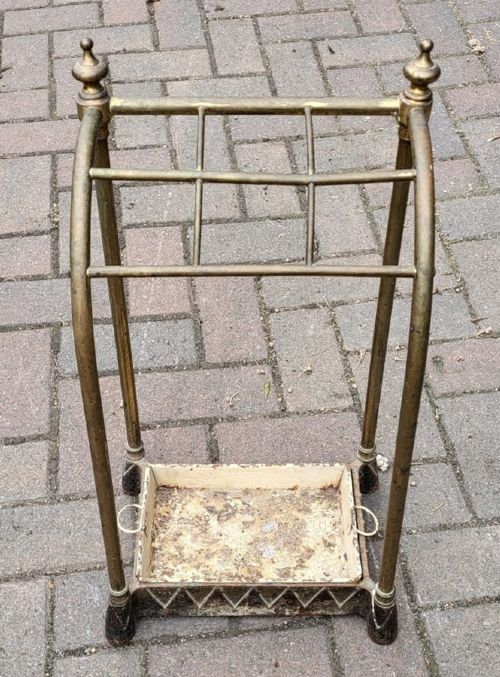
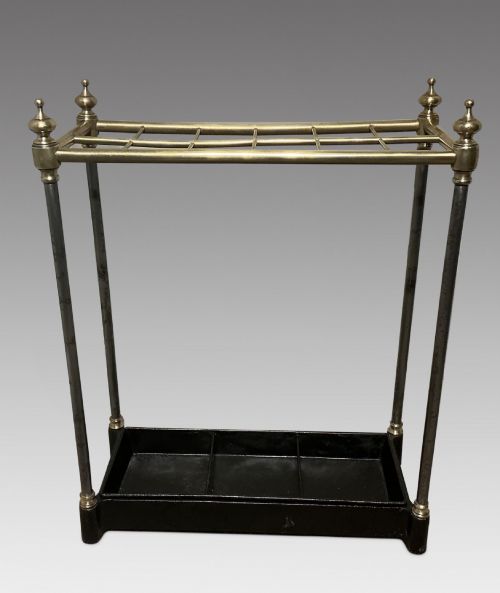
An edwardian metal stand brings utilitarian elegance to a hallway, taking the form of brass or iron umbrella holders and plant displays from the early twentieth century.
Edwardian Metal Stand
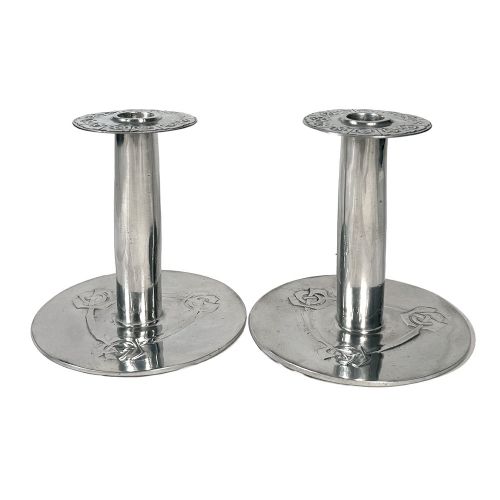
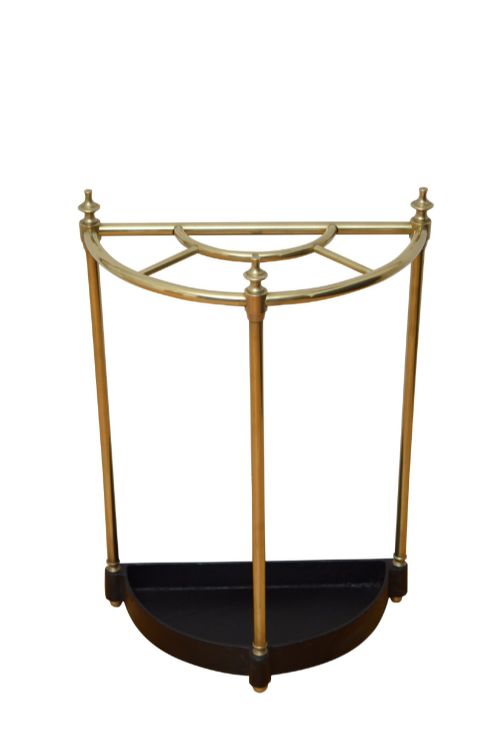
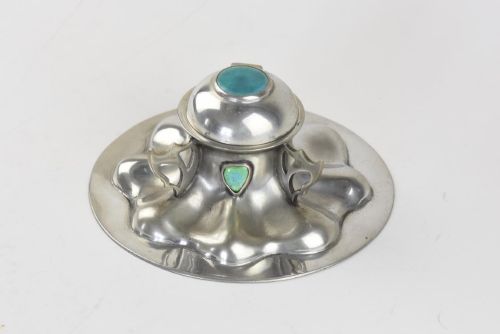
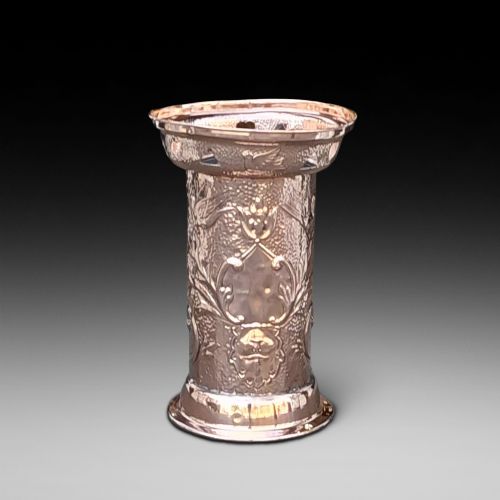
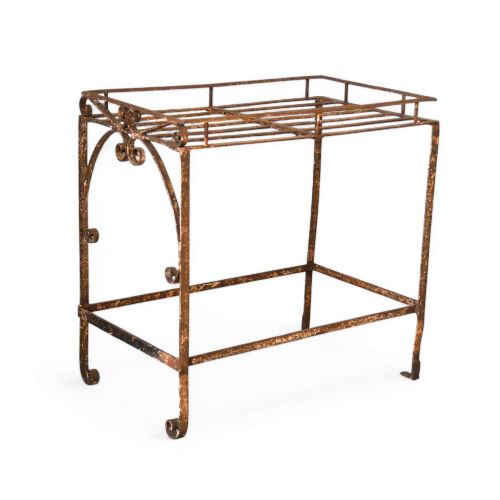
An edwardian metal stand encompasses practical domestic furnishings designed for holding walking sticks, umbrellas, plants, and logs in period interiors. Buyers pursuing an edwardian metal stand most frequently encounter demi-lune brass umbrella holders, heavy cast iron hallway pieces, and copper plant stands originating from the late nineteenth and early twentieth centuries.
Makers of the period utilised durable metals like brass, cast iron, and wrought iron to construct robust items suited for daily household use. These functional objects range from simple utilitarian hallway racks to decorative accessories displaying distinct Arts and Crafts and Art Nouveau stylistic influences.
Materials and Construction
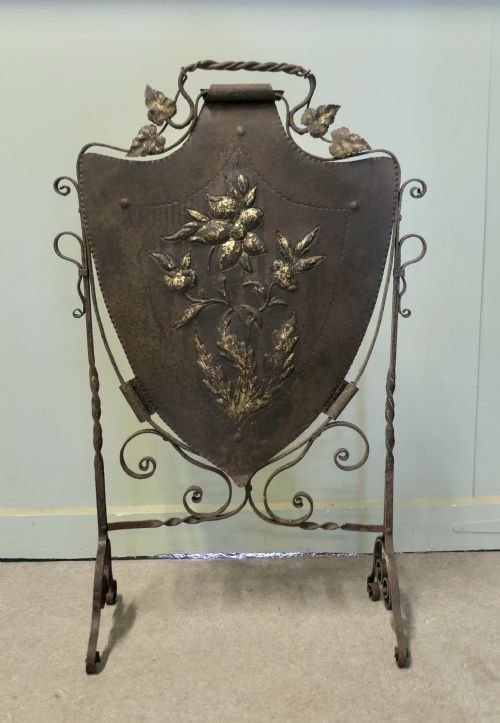
Artisans relied heavily on brass, cast iron, and wrought iron, often combining metals within a single piece such as a copper bin fitted to an iron frame or a brass stand incorporating steel components. Casting, beating, and riveting formed the primary techniques employed to shape these durable household accessories.
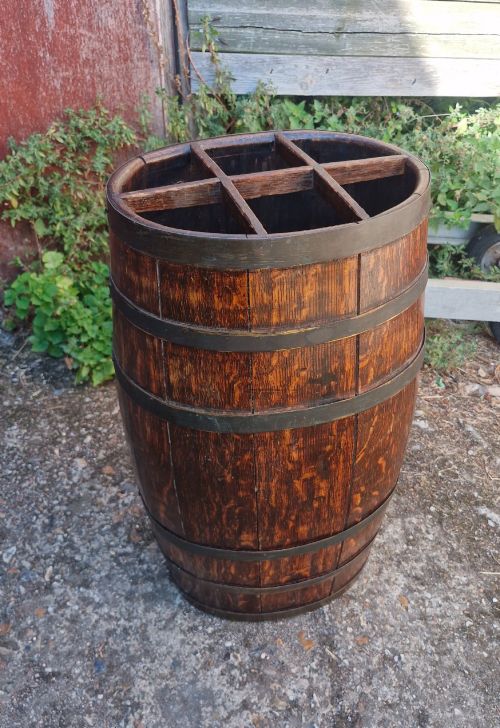
Surfaces received various treatments, from polished finishes on bright brass to patinated bronzed effects and industrial black paint on cast iron structures. Wood and wire work occasionally supplemented the metal frameworks, particularly in conservatory plant stands and barrel stick holders.
Edwardian Metal Stand Retail Price Guide 2026
Typical asking prices for edwardian metal stand among the pieces listed under this phrase on Sellingantiques today, from the lower quarter to the upper quarter. They describe what is for sale here now, not the wider market.
Listings feature brass, cast iron, wrought iron, and copper forms spanning the Victorian, Edwardian, and Art Nouveau periods.
Distinctions in Quality
Quality rests upon the weight and thickness of the metal utilised, alongside the crispness of any cast decorative details or hand-hammered surfaces. Substantial gauge brass and solid cast iron frames indicate superior manufacture compared to lighter, pressed metal alternatives.
Design integrity further separates standard utility items from finer examples attributed to specific artistic movements like Arts and Crafts or Art Nouveau. Thoughtful proportions, pleasing patination, and robust structural assembly distinguish the more desirable specimens.
Liberty and Co·Archibald Knox·William Hutton
The Edwardian Metal Stand Glossary
- Demi-lune
- A half-moon shape frequently utilised for umbrella and stick stands designed to sit flat against a hallway wall. This configuration maximises floor space while accommodating walking sticks and wet umbrellas.
- Cast iron
- An iron-carbon alloy poured into moulds to create rigid structures and decorative forms. It provides the heavy base weight required for stable hallway umbrella stands.
- Wrought iron
- Iron heated and hammered into shape by hand, resulting in fibrous structures with high tensile strength. This material appears in estate-made garden racks and plant holders.
- Arts and Crafts
- A design movement valuing traditional craftsmanship and honest construction over mass production. Pieces from this tradition often feature hand-worked copper and brass.
- Art Nouveau
- A style characterised by flowing, organic lines inspired by natural forms. Metal stands displaying this influence exhibit stylized floral motifs and whiplash curves.
Edwardian Metal Stand: Frequently Asked Questions
What is an edwardian metal stand used for?
These metal furnishings served practical domestic roles in hallways and conservatories, primarily holding wet umbrellas, walking sticks, potted plants, and logs for the hearth.
Their robust construction allowed them to endure heavy daily use in busy entrance halls while contributing to the decorative scheme of the home.
How do I identify an edwardian piece?
Authentic items typically date from the late nineteenth century through to the early decades of the twentieth century, displaying construction methods and materials common to that era.
Stylistic cues such as Art Nouveau floral motifs or Arts and Crafts hammered copper surfaces frequently point towards this period of manufacture.
Are brass stands difficult to maintain?
Brass surfaces require minimal upkeep, generally needing only an occasional dusting and gentle cleaning to preserve their natural metallic sheen and patination.
Avoiding harsh chemical polishes ensures the metal retains the desirable aged character accumulated over decades of existence.
Where should I place a metal stand?
Hallways remain the traditional location for umbrella and stick holders, keeping wet weather accessories organised near the primary entrance of the house.
Plant stands and jardiniere holders suit conservatories and reception rooms where natural light highlights their metal construction.