




Edwardian Marquetry Tier Stand
These edwardian marquetry tier stand pieces combine layered display surfaces with delicate inlaid wood, offering both practical utility and decorative elegance.
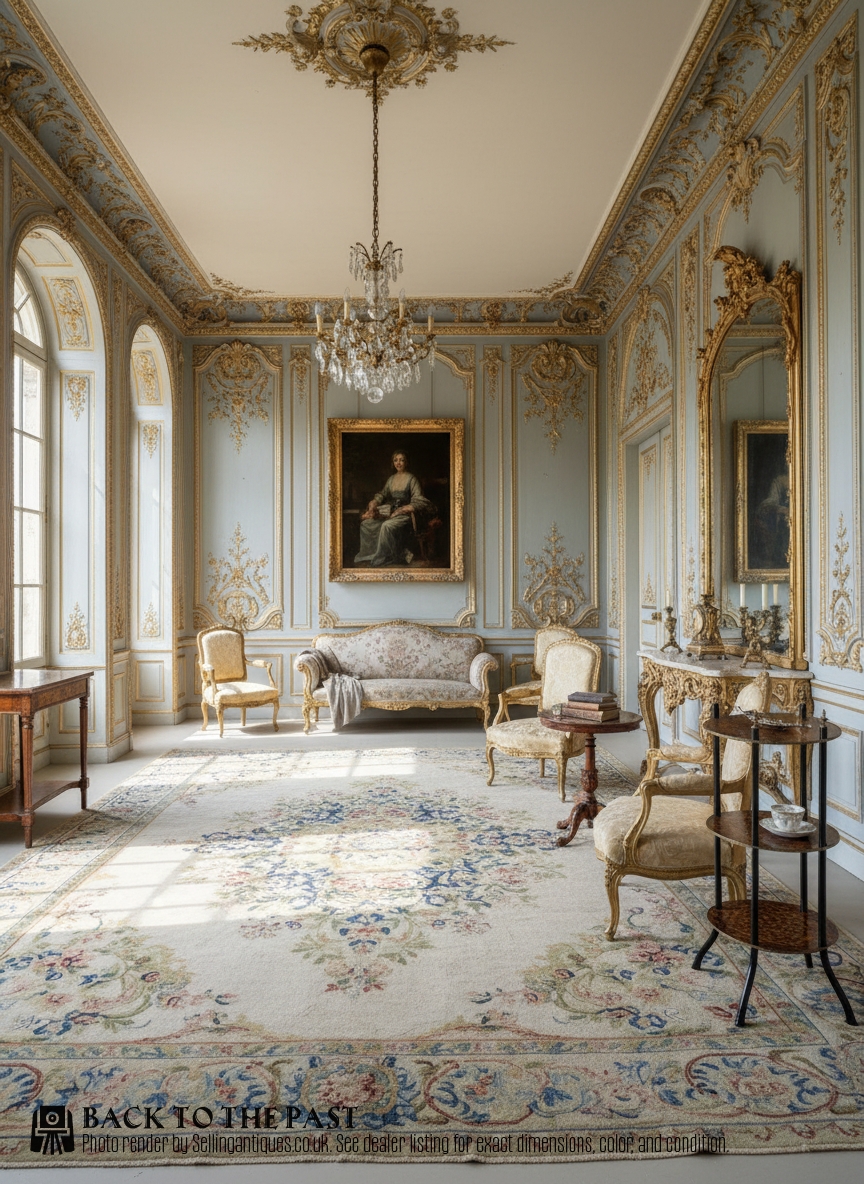
Edwardian Marquetry Tier Stand
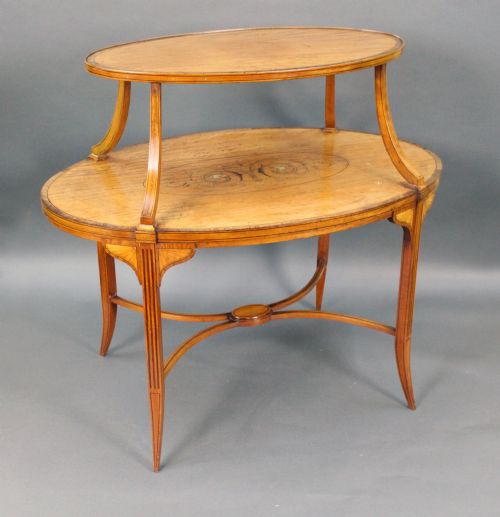
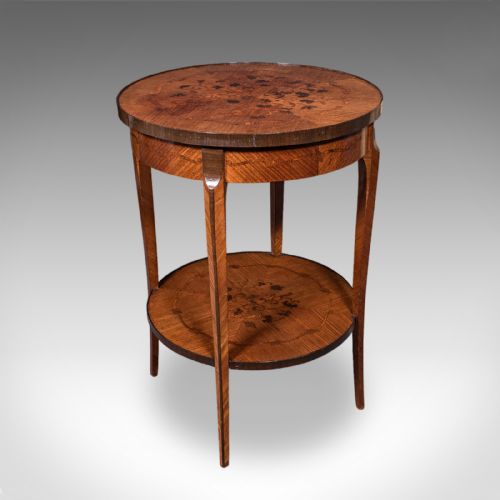
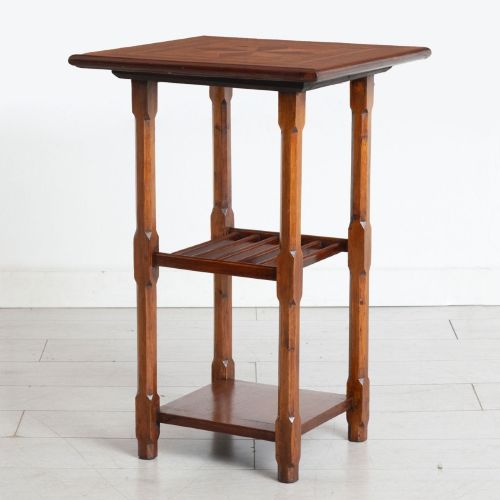
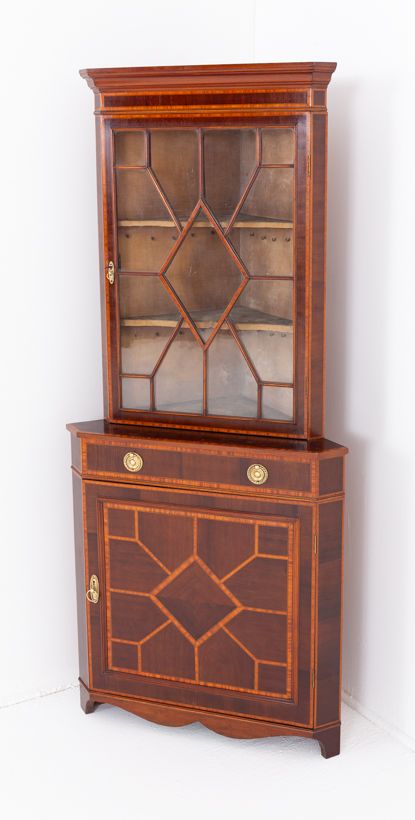
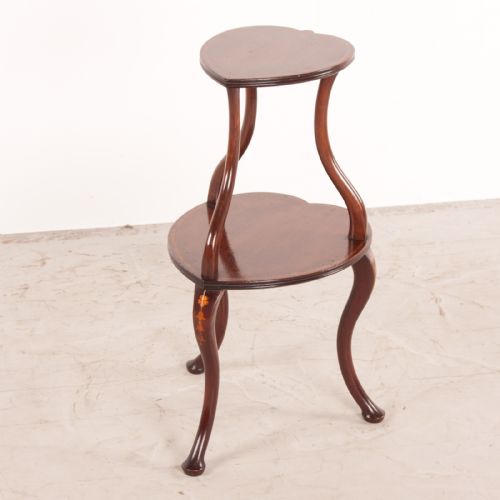
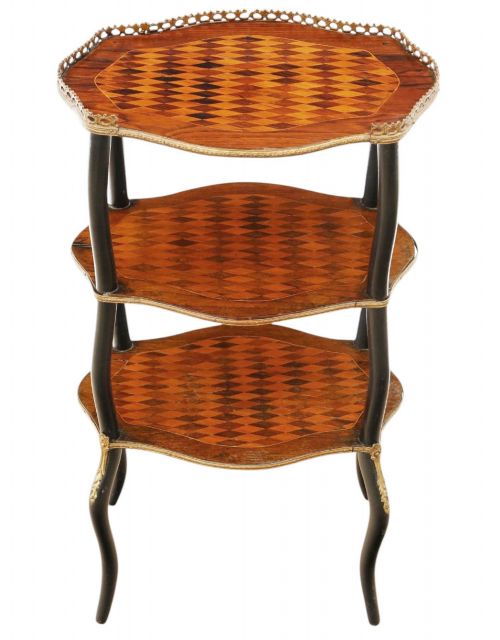
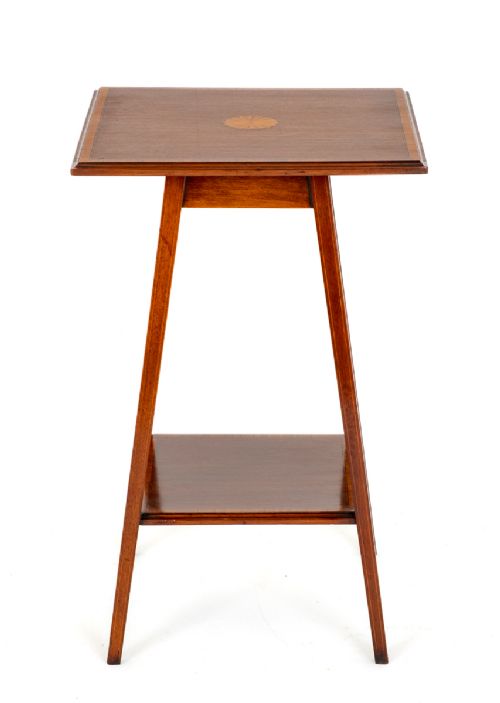
When you search for an edwardian marquetry tier stand, you encounter multi-level display pieces originating largely from the Edwardian era and the late nineteenth century. These items span two to four tiers, taking the form of etageres, whatnot stands, and occasional tables designed for compact display.
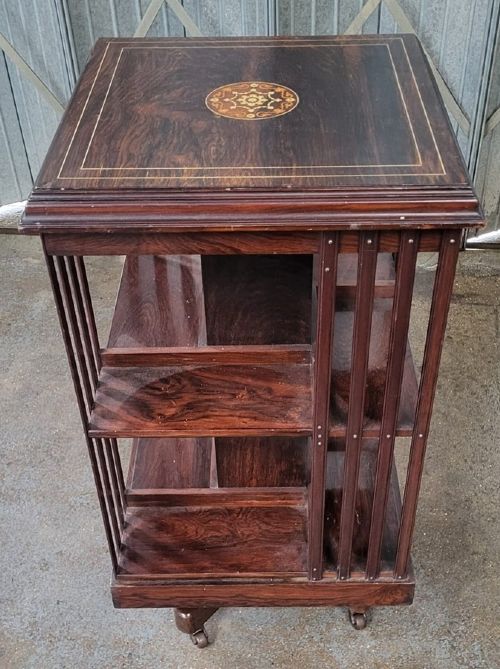
The pieces on this page draw heavily on Sheraton Revival and French styles, employing stacked surfaces supported by slender uprights. Many examples utilise shaped or oval tops, while others incorporate folding mechanisms or revolving book storage.
Origins stretch from British workshops to French ateliers, yielding variations in tier counts and overall silhouette. Mahogany and walnut provide the primary structural frameworks for these multi-level pieces.
Materials and Technique
Cabinetmakers constructed these pieces primarily using solid timbers like mahogany and walnut, frequently applying veneers of satinwood and kingwood to visible surfaces. Brass mounts and ormolu details occasionally appear on French-influenced examples.
Marquetry and parquetry inlays utilise contrasting woods such as boxwood to form intricate floral or geometric patterns across tabletops and shelves. Fine stringing lines the edges of tiers to emphasise the geometry of each level.
Periods represented span from the mid-nineteenth century through the Edwardian era to nineteen ten.
Standards of Craftsmanship
Quality rests on the precision of the timber selection and the complexity of the inlaid motifs. Finer pieces demonstrate tight joins in the marquetry work, where contrasting veneers fit seamlessly without visible gaps or excessive filler.
Structural stability across multiple tiers distinguishes superior examples from standard production. Robust uprights and secure shelf mountings ensure that stacked etageres and tier stands remain rigid under daily use.
The Edwardian Marquetry Tier Stand Glossary
- Marquetry
- Decorative veneer work arranged in pictorial or geometric patterns using various coloured woods. This technique adorns the flat surfaces of many tiers and tabletops.
- Etagere
- A piece of furniture consisting of a set of open shelves for displaying small objects. These tiered stands frequently feature three or four levels.
- Whatnot
- A multi-shelved open cabinet used for ornament or storage. Victorian and Edwardian examples often utilise corner or freestanding formats.
- Sheraton Revival
- A late nineteenth and early twentieth century design style drawing inspiration from the neoclassical work of Thomas Sheraton. Pieces typically feature light mahogany construction and delicate inlay.
- Satinwood
- A durable, lustrous yellowish timber utilised extensively for contrasting inlay and veneering. It brings a bright tone to dark mahogany structures.
Edwardian Marquetry Tier Stand: Frequently Asked Questions
What is an etagere?
An etagere is an open piece of furniture featuring multiple tiers designed for displaying decorative objects.
These pieces provide vertical storage space without heavy enclosed cabinetry.
How were tier stands used?
Tier stands served as decorative display surfaces for porcelain, small clocks, and plants in period drawing rooms.
Their multiple levels allowed households to maximise display space in compact corners or beside seating.
What woods are common?
Mahogany and walnut form the primary structural timbers for these items, supplemented by satinwood and kingwood.
Inlays incorporate boxwood and various tinted veneers to create floral or geometric details.
How to date these stands?
Dating relies on stylistic markers such as Sheraton Revival influences, combined with construction methods visible beneath the tiers.
Period labels span the Victorian era through the Edwardian period up to nineteen ten.