


Edwardian Mahogany Low Table
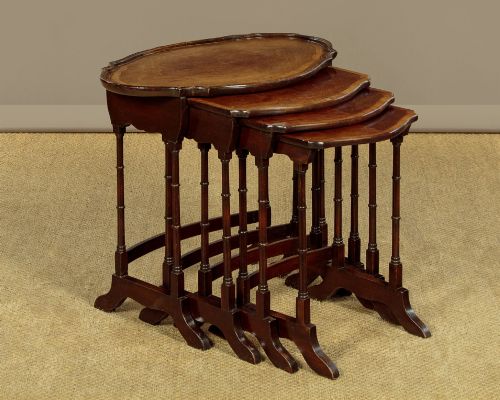
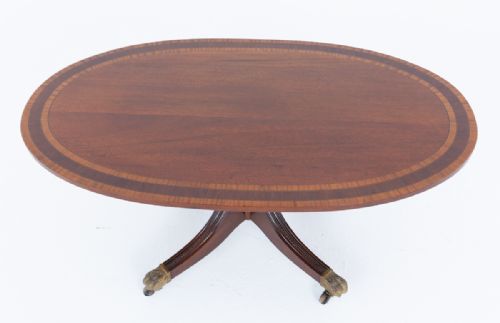
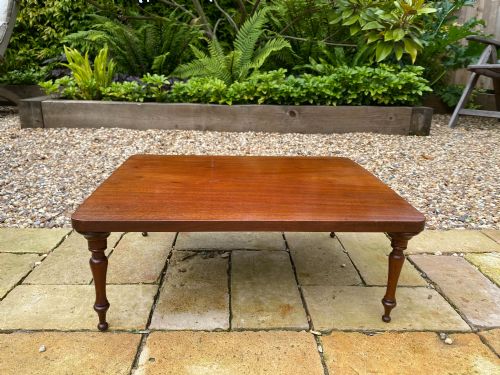
An edwardian mahogany low table brings rich timber grain and useful surface height to a traditional seating arrangement.
Edwardian Mahogany Low Table
The edwardian mahogany low table category encompasses practical items designed for domestic use, predominantly appearing as coffee tables, tray tables, and low occasional pieces. These items draw on diverse historical influences such as Sheraton Revival, Chippendale Revival, and Edwardian Louis XVI Revival styles.
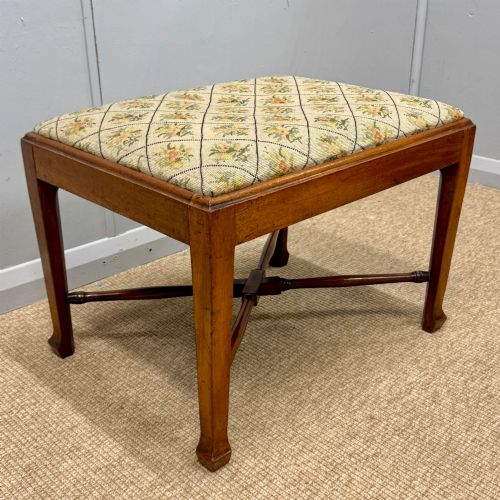
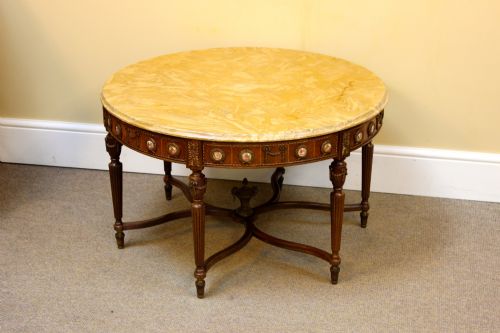
Buyers will encounter various formats across the selection, ranging from marble-topped coffee tables and oval designs to tray tables and campaign styles. The timber framework relies on mahogany, frequently complemented by satinwood inlay, brass fittings, and cane or fabric details.
While many examples originate from the Edwardian era itself, the selection also incorporates pieces from the nineteenth century, the 1920s, and the 1930s, alongside revival styles spanning Victorian to Regency motifs.
How They Were Made
Craftsmen utilised solid mahogany and flame mahogany veneers to construct these tables, often incorporating satinwood for contrasting stringing and marquetry inlay. Structural strength relied on traditional joinery techniques, augmented in some instances by brass handles, castors, and gallery rails.
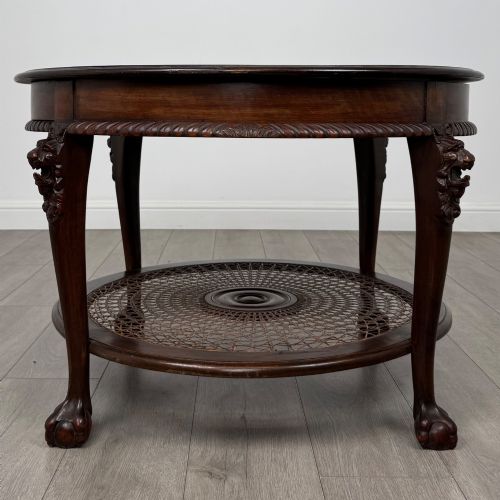
Surface treatments varied according to the intended function of the table, incorporating inserted marble slabs, inset porcelain plaques, or glass over fabric and tapestry panels. Turned or cabriole legs provided support, occasionally featuring carved pie crust edges or elaborate cross stretchers.
Materials appearing across these tables include solid mahogany, flame mahogany veneers, marble, brass, cane, tapestry, and porcelain.
What Varies in Quality
Quality in these tables is determined by the selection of timber figures, particularly the depth and movement visible in flame mahogany veneers and the precision of satinwood inlay work. Superior examples display refined proportions and crisp carving on cabriole legs or friezes rather than heavy or utilitarian lines.
The integrity of the construction dictates the standing of a piece, observable in the snugness of joints, the quality of cast brass mounts, and the stability of inset surfaces like marble or tapestry. Tables retaining original hardware and uncompromised structural frames represent the higher tier of the selection.
Waring and Gillow·Gillows
The Edwardian Mahogany Low Table Glossary
- Flame mahogany
- A veneer cut from timber where the branches join the main trunk, producing a distinctive, highly figured flamelike pattern. This decorative grain was favoured on prominent surfaces of refined tables.
- Satinwood
- A durable, yellowish-gold timber native to India and Ceylon used extensively for stringing and contrasting inlay work on mahogany furniture. Its bright tone highlights geometric or floral marquetry designs.
- Marquetry
- The art of applying decorative veneer pieces to a structure to form intricate pictorial or geometric patterns. Makers utilised contrasting woods to create detailed borders on table tops.
- Pie crust
- A raised, carved tabletop edge shaped into subtle undulating curves resembling pastry work. This decorative edging appeared on superior round occasional and coffee tables.
- Cross stretcher
- Wooden bracing members connecting the legs of a table near the base to improve structural rigidity. They often intersect centrally and may feature a turned finial.
Edwardian Mahogany Low Table: Frequently Asked Questions
What is an edwardian mahogany low table used for?
These tables provide a convenient surface for holding books, drinks, or decorative items within reach of a sofa or armchair. Their modest height makes them particularly suited to traditional sitting rooms.
Historically, variations like tray tables and campaign pieces offered portable utility, while occasional tables served lamps and tea services.
How do I identify an Edwardian piece?
Edwardian furniture often displays lighter proportions and refined revival ornamentation influenced by Sheraton or Chippendale designs, contrasting with heavier Victorian precedents. Look for mellow mahogany tones combined with delicate satinwood stringing.
Construction methods also help with dating, as Edwardian workshops blended machine precision with skilled hand finishing during a period of prolific cabinet making.
Can I use a marble top table daily?
Marble topped tables handle everyday use well because the stone surface resists moisture and heat better than polished wood. Wiping spills promptly keeps the stone in good condition.
Support frames on these tables are built solidly to bear the weight of the stone slab, making them practical for regular placement of cups and glasses.
How do I care for mahogany timber?
Mahogany benefits from occasional dusting with a soft cloth and treatment with appropriate natural waxes to nourish the grain. Avoiding direct sunlight and extreme temperature shifts prevents the timber from drying out.
Good maintenance preserves the rich colour and patina developed over decades of use in domestic settings.