


Edwardian Mahogany Filing Cabinet
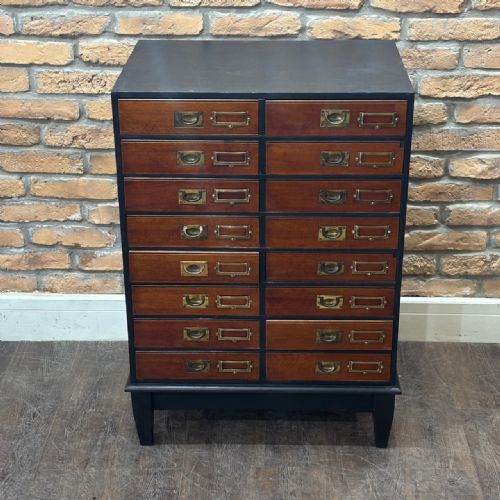
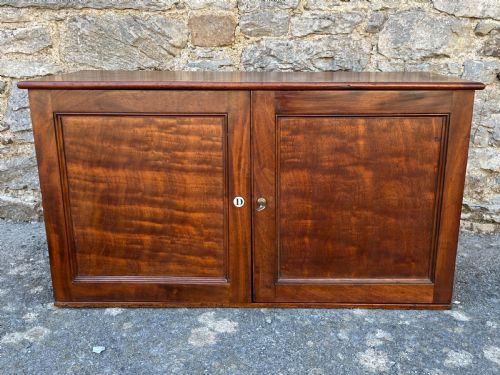
An edwardian mahogany filing cabinet brings domestic order with panelled timber and brass pulls.
Edwardian Mahogany Filing Cabinet
An edwardian mahogany filing cabinet provides structured storage for papers, music sheets and folios using multiple graduated drawers. These pieces reflect a period when offices and homes required dedicated furniture for correspondence and documents.
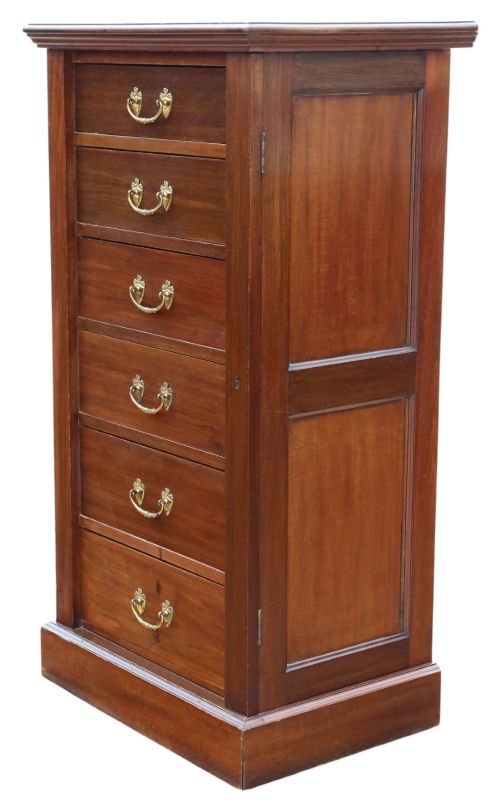
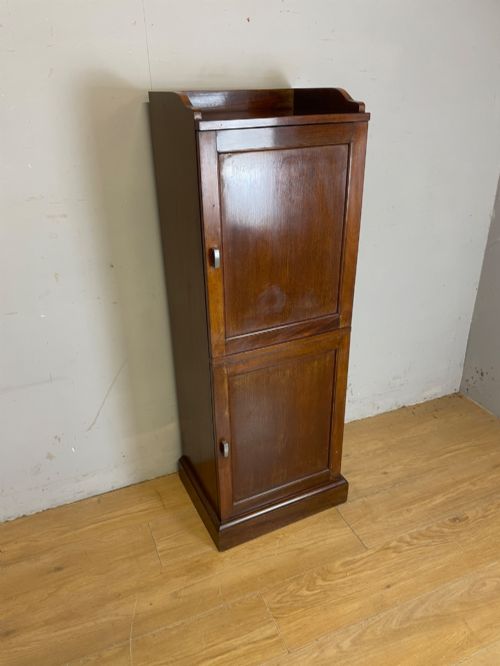
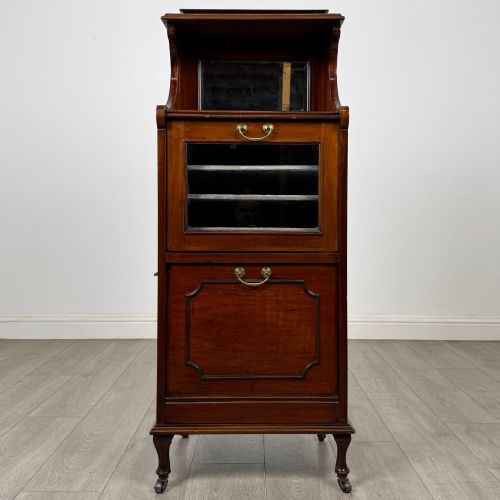
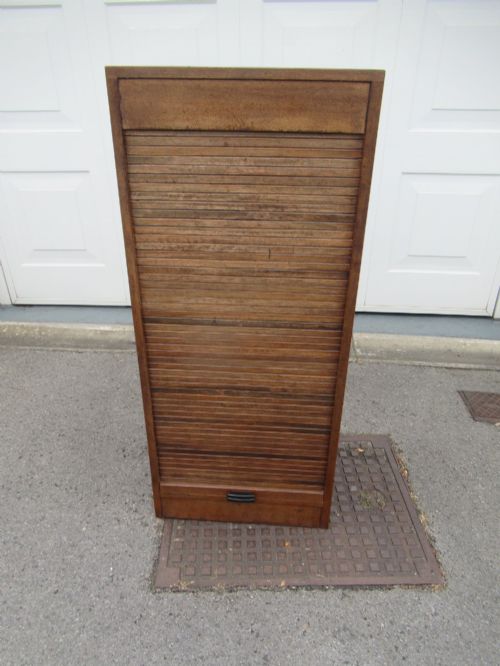
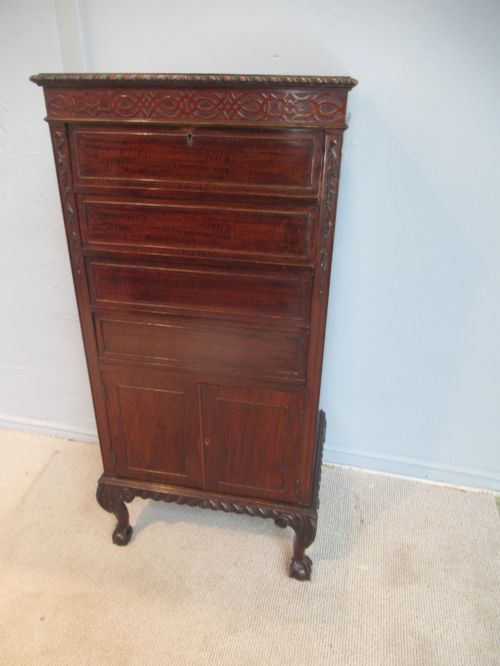
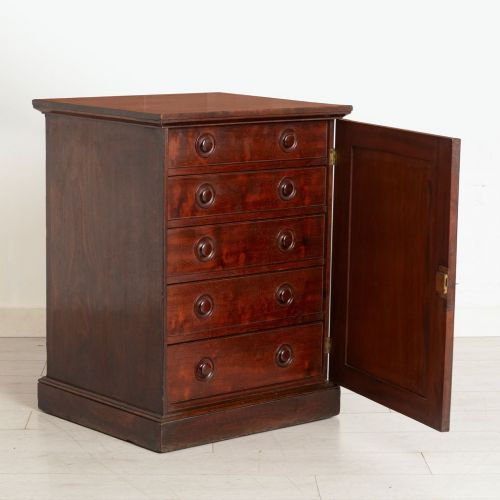
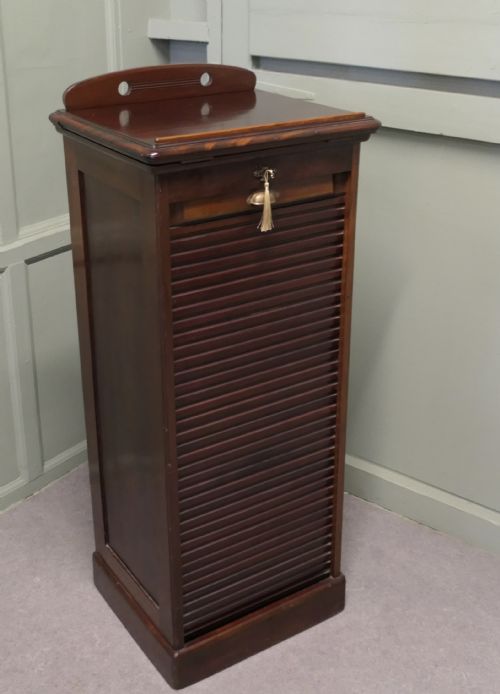
The version most commonly met on this page is the Edwardian single or double drawer bank, often featuring vertical filing mechanisms or sheet music storage compartments. Alongside these, related forms such as tambour front cabinets and music cabinets appear frequently.
Origins stretch from the late nineteenth century into the early twentieth century, encompassing Victorian and Edwardian manufacturing traditions. Makers utilised dense timbers and fitted interiors to serve professional and domestic spaces alike.
How they were made
Construction relies heavily on solid mahogany and mahogany veneers applied to secondary woods, providing a stable carcass for heavy drawer loads. Cabinetmakers joined panels using traditional dovetail joints to ensure durability under daily office use.
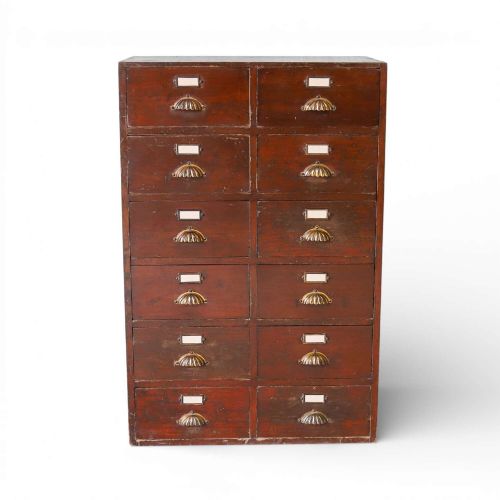
Hardware details such as brass shell pulls, label holders and metal locking rods complete the construction, securing documents while adding functional contrast to the timber. Tambour doors employ fine wooden slats glued to canvas backings to slide smoothly around curved tracks.
Some music cabinets retain faint pencil markings left by nineteenth-century musicians inside the sheet music slots.
What varies in quality
Quality separates pieces through the selection of timber grain, the precision of drawer dovetailing and the completeness of original brass hardware like label holders and pulls. Superior examples exhibit finely figured mahogany veneers and robust internal mechanics that operate without binding.
The complexity of the mechanism also distinguishes the range, from simple banks of drawers to intricate double tambour fronts and specialised music filing compartments. Original finishes and intact internal dividers elevate a piece above standard utility furniture.
The Edwardian Mahogany Filing Cabinet Glossary
- Tambour
- A flexible door made of narrow wooden strips attached to a canvas backing. It slides in a grooved track to conceal cabinet contents.
- Wellington chest
- A tall, narrow chest of drawers secured by a locking side pilaster hinged to swing or fold open. This form offers secure vertical storage for documents.
- Dovetail
- A joint formed by interlocking wedge-shaped fingers, prized for its tensile strength in drawer construction. It holds cabinet corners firmly together over decades of use.
- Folio cabinet
- A specialised storage unit designed for large sheets of paper, prints or music manuscripts. Drawers in these pieces are typically shallower and wider than standard office drawers.
- Shell pull
- A stamped or cast brass handle shaped like a scallop shell, frequently incorporating a slot for a paper label. These fittings identify period indexing systems on office furniture.
Edwardian Mahogany Filing Cabinet: Frequently Asked Questions
How do I use an edwardian mahogany filing cabinet today?
These cabinets serve well for organising paperwork, stationery and modern documents within a study or living space. The shallow drawers suit notebooks and letters, while deeper sections hold larger files.
Care should be taken not to overload sliding mechanisms on older tambour doors. Regular polishing preserves the mahogany surface against everyday wear.
Were these cabinets made for offices or homes?
Manufacturers produced them for both professional administrative environments and affluent Victorian or Edwardian homes. Sheet music variants were specifically designed for domestic parlours to house manuscript collections.
Over time, many music cabinets transitioned into general document storage as household needs shifted.
How can I tell an Edwardian piece from a Victorian one?
Edwardian pieces generally display lighter mahogany tones and cleaner lines influenced by revival styles like Chippendale and Arts and Crafts. Victorian versions tend to be heavier, utilising darker finishes and denser hardware.
Inlay wood accents and simplified mouldings also point towards the early twentieth century rather than the mid-nineteenth century.
What is a tambour front cabinet?
A tambour front utilises narrow wooden slats mounted on fabric to create a flexible shutter that rolls around a track. This design conceals the drawers while requiring less clearance than hinged doors.
Such mechanisms represent advanced cabinetmaking techniques of the period.