


Edwardian Mahogany Cellarette
An edwardian mahogany cellarette is a classic piece designed to keep bottles secure and cool, combining practical storage with refined cabinet-making.
Edwardian Mahogany Cellarette
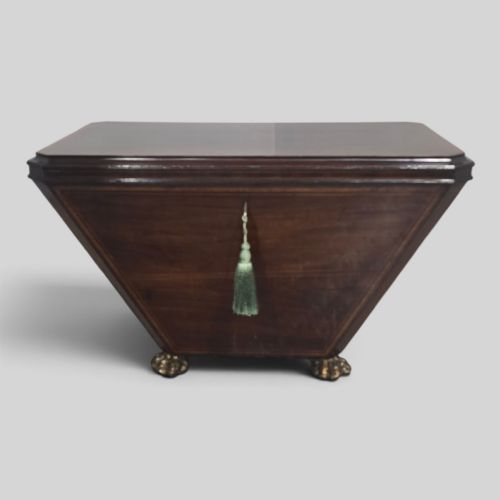
An edwardian mahogany cellarette represents a refined evolution of earlier wine storage forms, serving both practical dining room use and decorative display. These pieces frequently appear in Edwardian forms, alongside related Victorian and Georgian Revival examples.
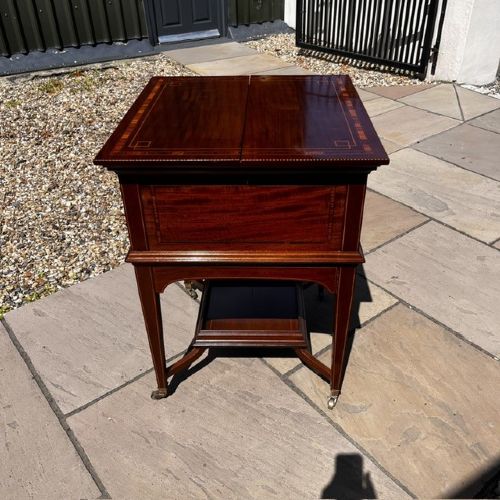
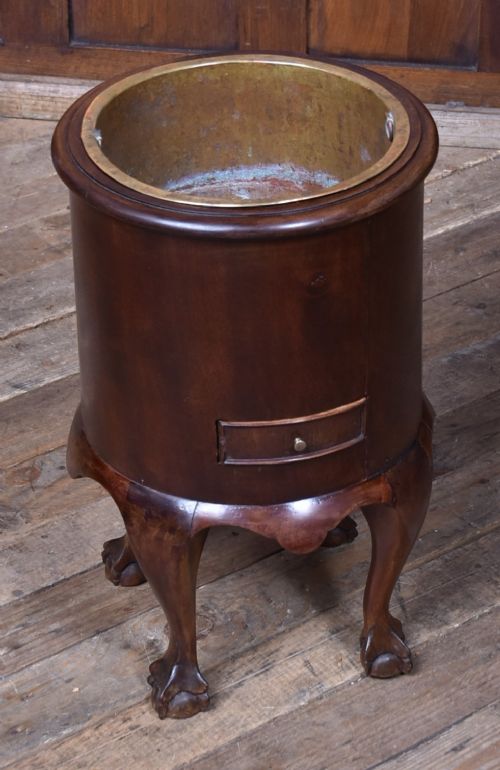
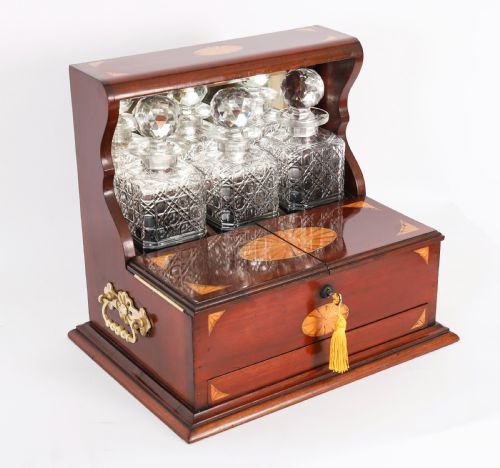
Buyers will encounter various formats including octagonal cellarettes, wine coolers in mahogany stands, and fitted drinks cabinets with inlaid details. The selection bridges formal dining accessories and occasional furniture designed for entertaining.
How they were made
Makers utilised solid mahogany and wood veneers over sturdy carcases, often incorporating contrasting satinwood and boxwood inlay for decorative panels. Brass handles, bands, and castors provide structural reinforcement as well as ornamental contrast to the dark timber.
Interior fittings sometimes include lead crystal decanters, glass compartments, or lead-lined compartments intended to hold ice and bottles securely during service.
Materials across the selection include mahogany, satinwood, brass, glass, lead crystal, and boxwood inlay.
What varies in quality
The sophistication of the timber figure and the precision of the contrasting inlay separate standard production from superior examples. Finely cut brass mounts and original internal fitments indicate higher workshop standards.
Proportion and architectural balance define the overall success of the piece, particularly where revival styles imitate earlier Georgian or Regency forms.
Edwards and Roberts·Freemans of Norwich
The Edwardian Mahogany Cellarette Glossary
- Cellarette
- A lockable container or cabinet designed for holding bottles of wine and spirits near the dining table. They frequently feature internal divisions to protect glass vessels.
- Tantalus
- A locking wooden frame holding decanters that prevents removal of the contents without a key. The frame secures the stoppers in place.
- Satinwood
- A lustrous, yellow-toned timber commonly utilised for contrasting stringing, banding, and marquetry panels on mahogany furniture. It creates a bright visual border.
- Brass bound
- Furniture strengthened or decorated with fitted strips of brass around the edges or base. This detail derives from military and heavy travel chests.
Edwardian Mahogany Cellarette: Frequently Asked Questions
What is an edwardian mahogany cellarette?
It is a specialised cabinet or chest designed for storing wine and spirits during the Edwardian era. These pieces reflect earlier dining traditions while adopting lighter proportions.
They often feature fine inlay work and fitted interiors intended to keep bottles safe and accessible during meals.
How were these cellarettes used?
They sat beside the dining table to hold wine bottles and decanters close at hand for the host. Many included lead linings for ice or compartments for glassware.
Servants would pour drinks directly from the cellarette during formal dinners without needing to return constantly to the cellars.
Where should I place one?
These cabinets work well in dining rooms, living spaces, or studies as focal points that double as functional storage. Their rich timber tones complement both traditional and contemporary interiors.
Position them away from direct heat sources to protect the mahogany and any delicate veneer work.
How do I distinguish Edwardian from Georgian styles?
Edwardian versions often display lighter construction, delicate satinwood inlay, and revival influences drawn from earlier centuries. True Georgian pieces generally exhibit heavier timber scantlings and simpler structural joinery.
Revival pieces made in the Edwardian period deliberately copy the older Regency or George III aesthetic.