




Edwardian Lustre Pottery
Edwardian lustre pottery brings a shimmering, iridescent metallic surface to decorative bowls, vases, and sets.
Edwardian Lustre Pottery
Edwardian lustre pottery encompasses decorative bowls, vases, jug and bowl sets, and bud vase trios created during the early twentieth century. These pieces capture the stylistic shifts from Edwardian elegance through Art Nouveau curves into early Art Deco geometry.
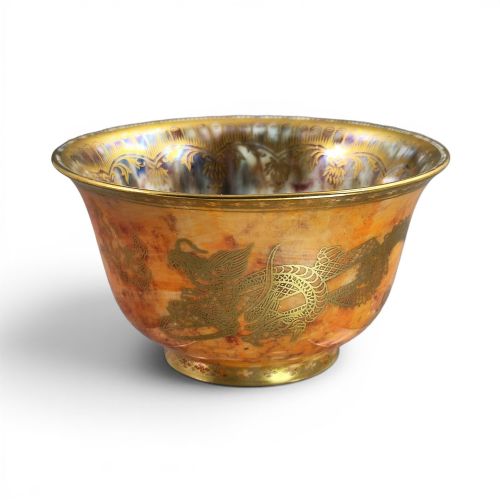
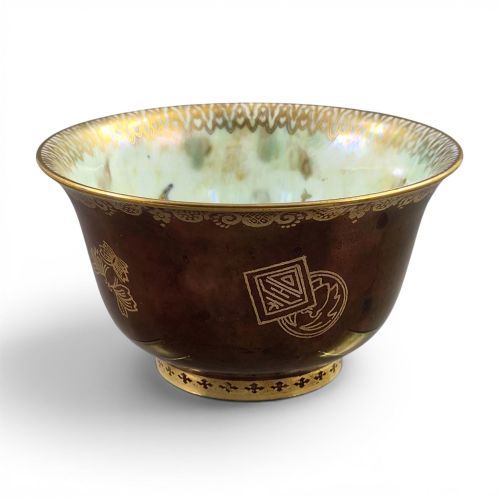
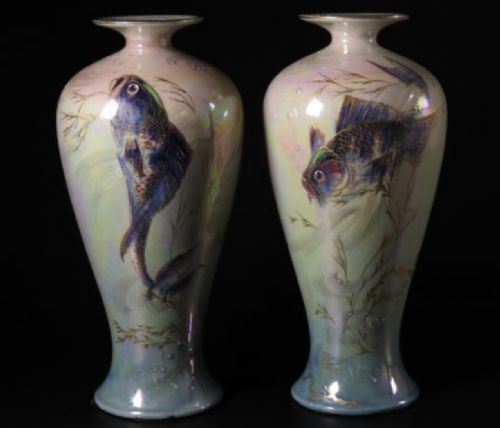
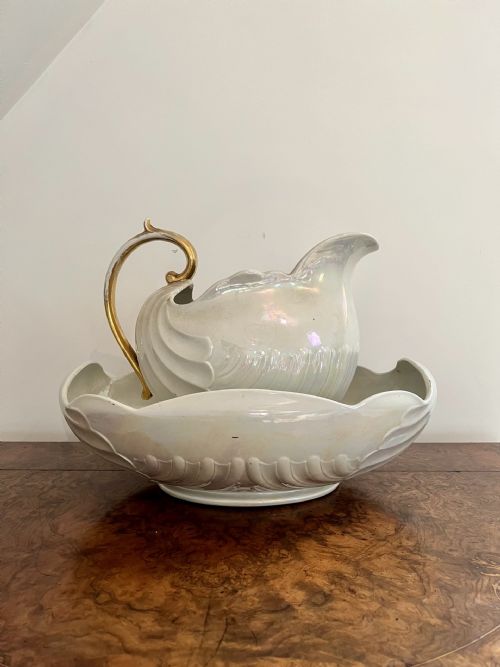
The objects appearing here showcase forms ranging from large octagonal bowls to delicate vases featuring fish, butterfly, dragon, and fairy designs. They serve as striking display items that reflect light through richly coloured glazes.
Markers of quality
Quality in these ceramics rests on the complexity and clarity of the painted and enamelled designs. Pieces featuring intricate mythological scenes or detailed natural motifs display a higher degree of artistic control than simpler monochrome examples.
The richness and evenness of the metallic sheen across the ceramic body also determine the standing of a piece. Superior examples maintain vibrant iridescence and precise application without clouding the underlying glaze.
Edwardian Lustre Pottery Retail Price Guide 2026
Typical asking prices for edwardian lustre pottery among the pieces listed under this phrase on Sellingantiques today, from the lower quarter to the upper quarter. They describe what is for sale here now, not the wider market.
Fairies, dragons, and swimming fish populate these metallic glazes, bringing miniature fantastical worlds to Edwardian tabletops.
Walter Slater·Daisy Makeig-Jones·James Hodgkiss·Richard Joyce·Wedgwood·Minton·Royal Lancastrian·Shelley
The Edwardian Lustre Pottery Glossary
- Lustre
- A type of pottery glaze containing metallic salts that produce an iridescent, metallic sheen upon firing. This technique creates the distinctive reflective surface seen on Edwardian decorative wares.
- Enamel
- Opaque glass used as a decorative coating fired onto the ceramic surface. Hand enamelling adds raised colour and intricate detail to the motifs.
- Earthenware
- Porous pottery fired at relatively low temperatures. It forms the solid clay body for many decorative bowls and vases before glazing.
- Bone China
- A type of soft-paste porcelain containing bone ash. It provides a bright white, translucent body for delicate vessels.
- Glaze
- A vitreous coating fused to a ceramic body through firing. Metallic variations within this layer create the shimmering visual effects.
Edwardian Lustre Pottery: Frequently Asked Questions
What is Edwardian lustre pottery?
Edwardian lustre pottery consists of ceramic and porcelain decorative objects featuring metallic, iridescent glazes produced in the early twentieth century.
These pieces include bowls, vases, and tableware adorned with rich colours and imaginative designs.
How do I display these pieces?
Display these ceramics in well-lit areas where natural light can catch the iridescent metallic glazes and gold leaf details.
Their reflective surfaces stand out best on open shelving or tables away from direct, harsh sunlight.
How are periods identified?
Periods are identified through stylistic markers like Art Nouveau curves and Art Deco geometry, alongside specific maker marks.
Design motifs and glaze recipes also help place these ceramics within the early twentieth century.
Were these items used daily?
Most of these decorative vessels were intended for display rather than heavy practical use in the home.
Jug and bowl sets and decorative bowls served both ornamental purposes and light functional roles.