



Edwardian Looking Glass
An edwardian looking glass is a domestic wall mirror that brings period charm and crisp reflection to a hallway or reception room.
Edwardian Looking Glass
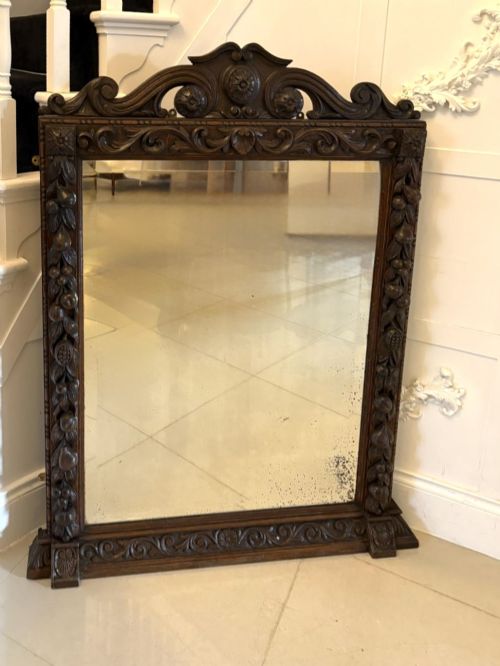
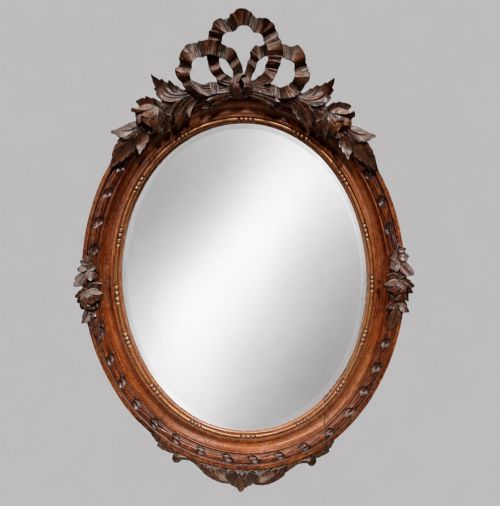
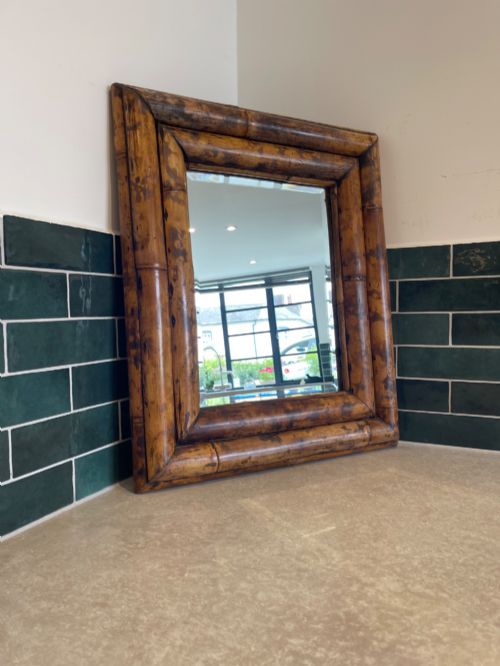
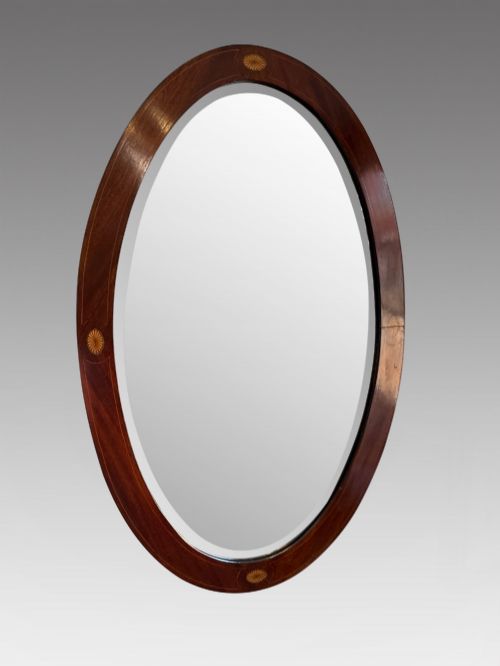
An edwardian looking glass is primarily encountered as a wall-hanging mirror, often shaped in clean ovals or rectangular frames made for daily household use. These pieces emerge from a period spanning the late nineteenth and early twentieth centuries, blending utility with traditional decorative forms.
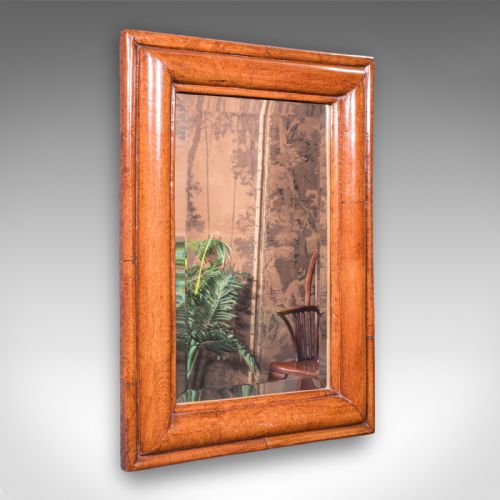
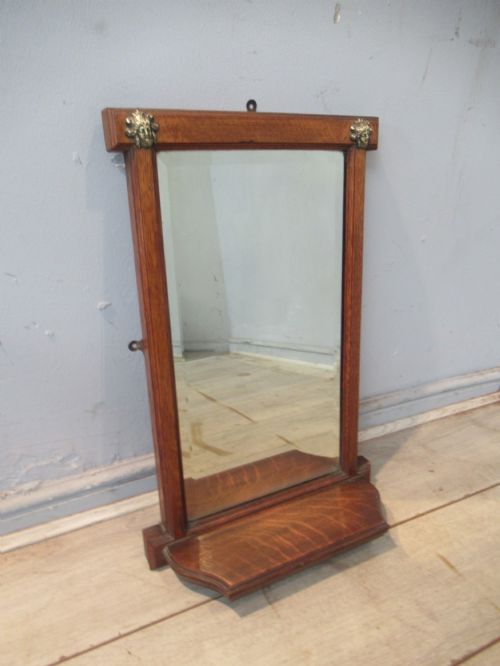
The versions most commonly met on this page combine Edwardian manufacture with earlier Victorian styles, featuring mahogany, oak, or giltwood frames. They serve as practical interior additions that reflect light and expand the sense of space in smaller rooms.
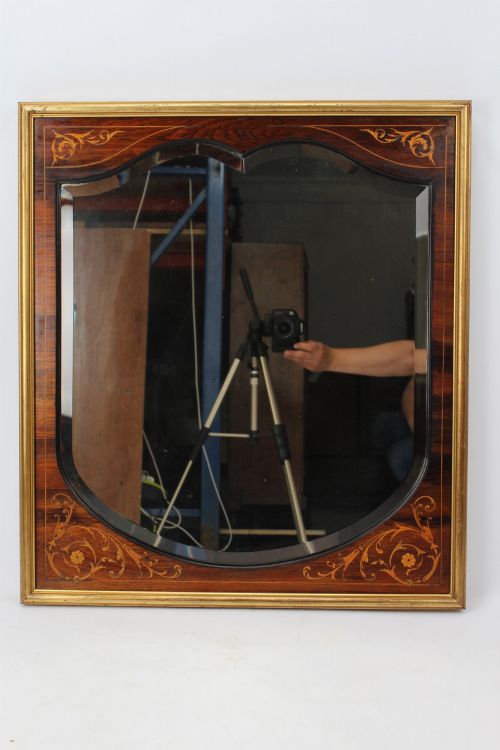
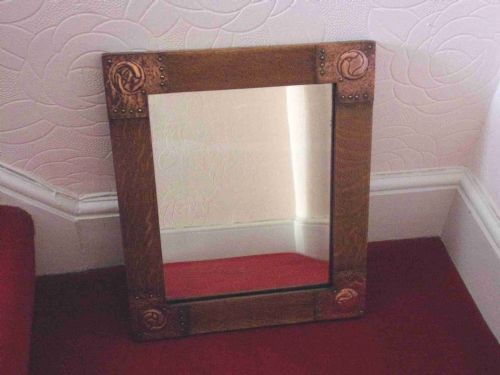
Buyers searching for an edwardian looking glass will also find occasional pieces influenced by the Arts and Crafts movement or Sheraton Revival designs. These encompass inlaid details, copper decorations, or carved wood that display the craftsmanship of the era.
Materials and Construction
Makers constructed these frames using timber such as mahogany, oak, and walnut, often applying gesso to create moulded decorative reliefs. Giltwood finishes required meticulous application of gold leaf over preparation layers upon carved wooden substrates.
Mirror glass of the period frequently featured bevelled edges, produced by grinding and polishing the perimeter to catch the light. Frames were joined using traditional cabinet-making techniques suited to hanging heavy glass securely on domestic walls.
Object types seen on this page focus entirely on wall mirrors and hanging looking glasses.
Quality Variations
The refinement of the carved wood or gesso ornamentation dictates much of the distinction across these mirrors. Crisp, deep relief work and well-preserved gilding indicate superior workshop production compared to softer, more uniform mouldings.
The integration of materials like inlaid woods, copper mounts, or original bevelled mirror glass elevates a piece. Better examples maintain structural integrity in the frame joints and retain their original hanging hardware.
The Edwardian Looking Glass Glossary
- Gesso
- A plaster-like mixture applied to wood frames to provide a smooth base for gilding or painting. It allowed makers to carve intricate relief details before finishing.
- Bevelled Glass
- Mirror glass with angled edges cut and polished to a thinner slope around the perimeter. This technique creates a prismatic light effect.
- Giltwood
- Timber carved and coated with gold leaf or metallic powder. It provides a bright, reflective surface characteristic of formal wall mirrors.
- Fret Wall Mirror
- A mirror featuring a flat wooden frame pierced with decorative scrollwork or geometric patterns. These are often associated with eighteenth-century revivals.
- Girandole
- A decorative wall mirror fitted with attached candle sconces or branch holders. The candle light reflected brightly in the glass.
Edwardian Looking Glass: Frequently Asked Questions
Where should I hang a looking glass?
These mirrors suit entrance halls, above mantelpieces, or in reception rooms where they can reflect natural light from windows.
Ensure the wall fixings match the weight of the timber frame and mirror glass to keep the piece secure.
How do I identify an Edwardian piece?
Look for timber choices like oak and mahogany combined with lighter inlay work or subtle carving styles typical of the early twentieth century.
Construction methods and backboards often provide clues to the manufacturing period alongside the style of the frame.
Are these mirrors heavy?
Many wall mirrors from this era carry substantial weight due to the solid timber frames and thick glass plates.
Proper wall anchors and picture wire rated for heavy loads are essential for safe domestic display.
What is a bevelled edge?
A bevelled edge is the angled slope ground around the perimeter of the mirror glass.
This traditional finish catches the light and frames the reflection with a subtle prismatic border.