






Edwardian Lidded Glass Bowl
These edwardian lidded glass bowl selections offer charming period storage, combining practical elegance with fine early twentieth-century craftsmanship.
Edwardian Lidded Glass Bowl
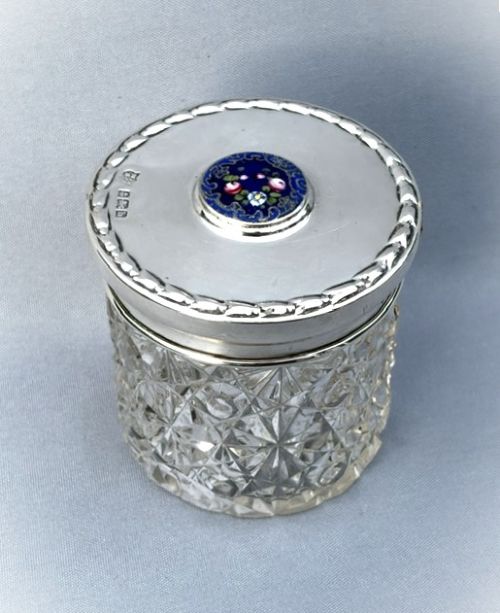
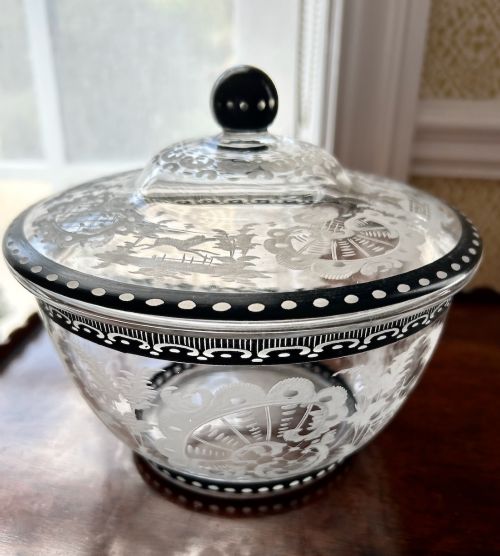
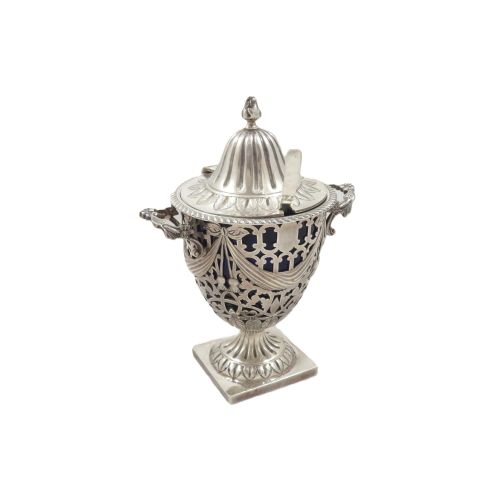
An edwardian lidded glass bowl encompasses a variety of small covered vessels designed for domestic use, predominantly appearing as trinket boxes, vanity jars, and sugar baskets.
The pieces on this page span the Edwardian period and the early twentieth century, alongside a small number of Victorian examples.
Forms range from cut crystal boxes mounted in sterling silver to colourful glass jars featuring enamel or tortoiseshell lids.
How they were made
Makers utilised heavy cut glass and crystal for the bodies, often shaping them into deep bowls or pumpkin forms.
Lids and mounts predominantly consist of sterling silver, frequently paired with decorative elements such as enamel work or inlaid tortoiseshell.
Edwardian Lidded Glass Bowl Retail Price Guide 2026
Typical asking prices for edwardian lidded glass bowl among the pieces listed under this phrase on Sellingantiques today, from the lower quarter to the upper quarter. They describe what is for sale here now, not the wider market.
One listed punch bowl brings a festive touch to autumn with its distinctive pumpkin shape.
What varies in quality
The distinction between standard examples and superior pieces rests on the crispness of the glass cutting and the weight of the silver mounts.
Intricate detailing, such as hand-applied enamel or finely polished tortoiseshell lids, elevates the overall refinement of an individual vessel.
The Edwardian Lidded Glass Bowl Glossary
- Sterling silver
- A standard alloy of silver comprising 92.5 percent pure silver and 7.5 percent other metals, typically copper. This material provides the durable framework for many fitted lids and rims.
- Tortoiseshell
- The mottled brown and amber shell of certain turtle species, historically used to veneer or create decorative boxes. It offers a rich, glossy surface that contrasts with bright silver.
- Cranberry glass
- A type of transparent red glass produced by adding gold chloride to the molten batch. It creates a distinctive pinkish-red hue seen in decorative jars and trinket boxes.
- Trinket box
- A small lidded container intended for storing jewellery and small personal items. These pieces often feature glass bases combined with precious metal lids.
Edwardian Lidded Glass Bowl: Frequently Asked Questions
What were edwardian lidded glass bowls used for?
These covered vessels served various domestic functions, primarily holding small personal items like jewellery, pins, or cosmetics on a dressing table. Some variations functioned as sugar basins or pot pourri containers in reception rooms.
Their enclosed design kept contents clean while adding a decorative touch to interior surfaces.
How do I care for silver and glass items?
Maintenance involves cleaning the glass body with warm soapy water and a soft cloth to preserve clarity. Sterling silver mounts require occasional polishing with a specialised cloth to remove tarnish without touching adjacent glass or tortoiseshell.
Avoid submerging pieces that feature glued components or delicate organic materials in water.
How can I tell an Edwardian piece from a Victorian one?
Distinguishing between these eras relies on examining the hallmarks on the silver components and noting stylistic shifts in the glass cutting. Edwardian designs often lean towards lighter, airier forms compared to heavier Victorian counterparts.
Comparing hallmarking dates on the metal mounts provides a reliable guide to the exact decade of manufacture.
Are these glass bowls fragile?
While the cut crystal and glass bodies are typically thick and robust, care is required around rims and fine silver hinges. Normal domestic handling poses no risk, but sudden temperature changes can stress older glass.
Placing them on stable surfaces away from table edges protects both the glass and the fitted metal lids.