


Edwardian Leather Box
When you search for an edwardian leather box, you discover functional storage and travel pieces shaped by early twentieth-century craftsmanship.
Edwardian Leather Box
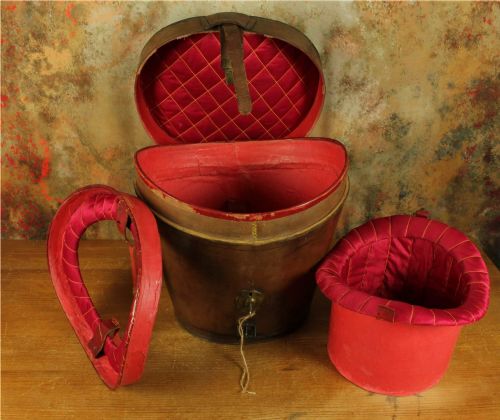
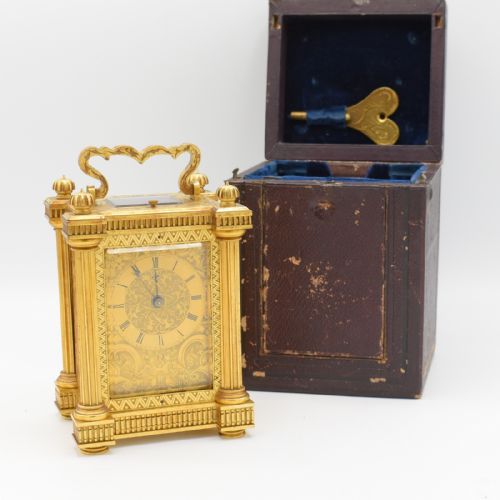
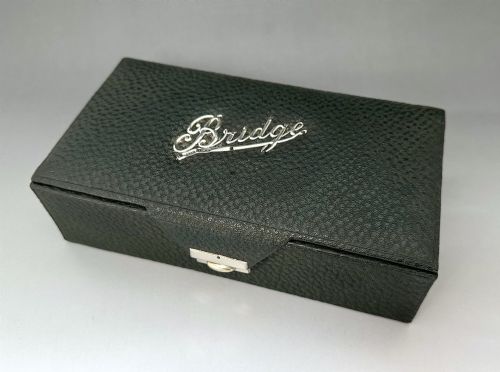
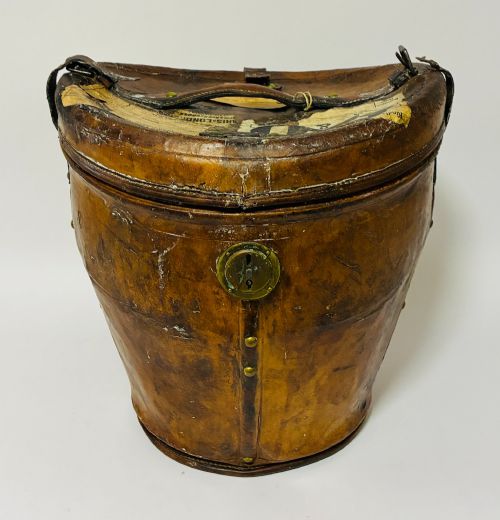
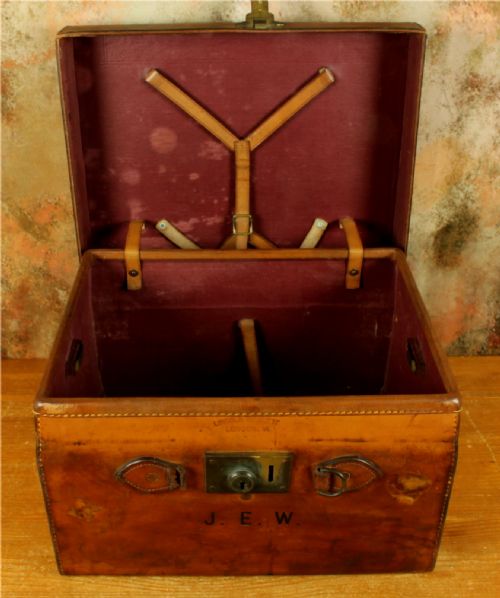
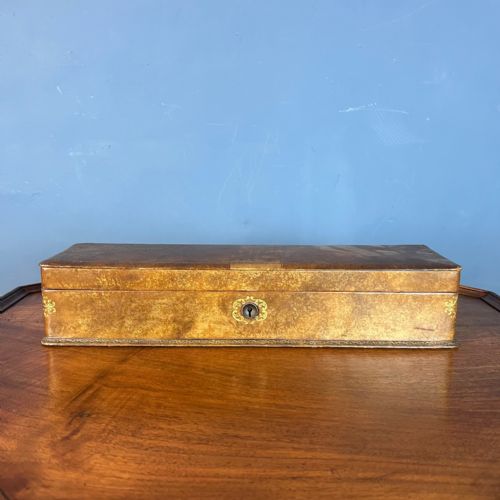
An edwardian leather box encompasses a diverse array of personal containers, including jewellery caskets, bridge and playing card boxes, stamp cases, and travel hat boxes produced around the start of the twentieth century. These objects served the practical domestic and travelling needs of the period, designed to secure valuables, stationery, and formal attire.
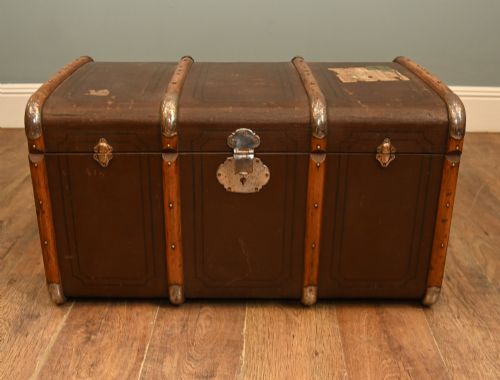
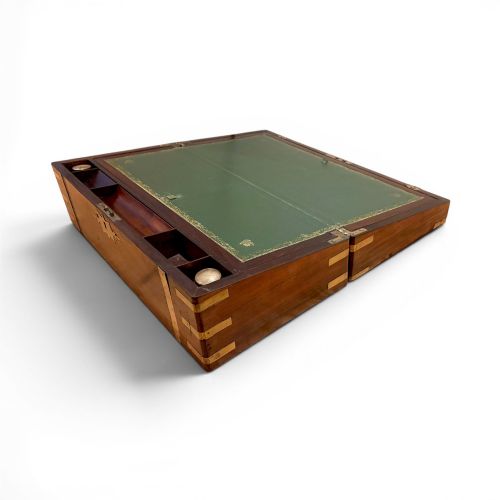
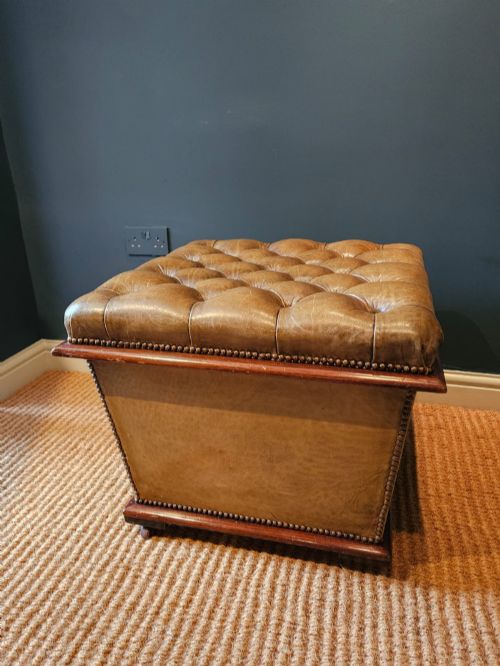
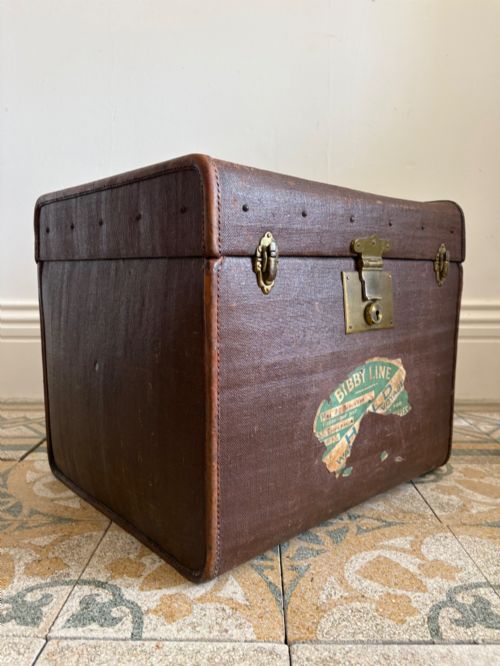
The versions most frequently encountered on this page date from the Edwardian era through to the 1920s, often featuring fitted interiors lined for specific uses such as cigars, sandwiches, or writing implements. Alongside smaller desktop and vanity items, larger examples include robust canvas and leather luggage trunks, suitcases, and storage chests suited for transit.
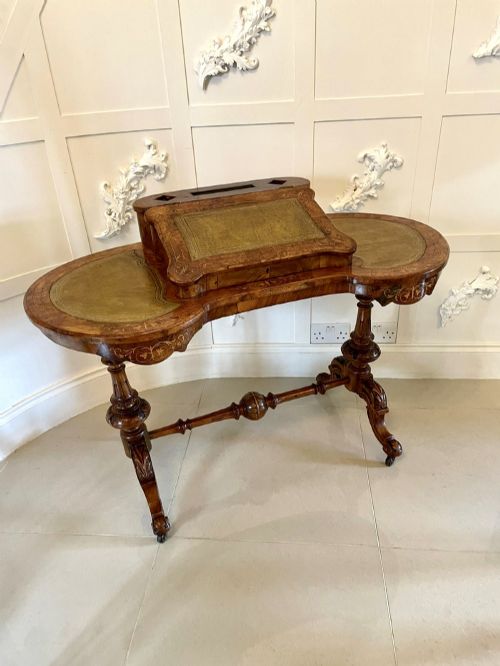
Constructed primarily to meet the demands of contemporary travel and organised household management, these containers frequently incorporate brass mounts, locks, and monogrammed details. They bridge the gap between utility and decorative desk or dressing table accessories from the late nineteenth and early twentieth centuries.
How they were made
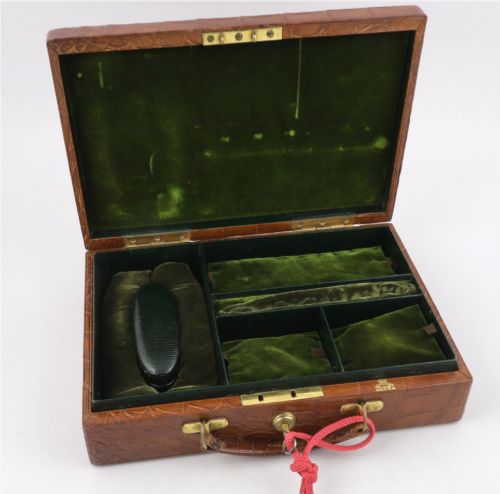
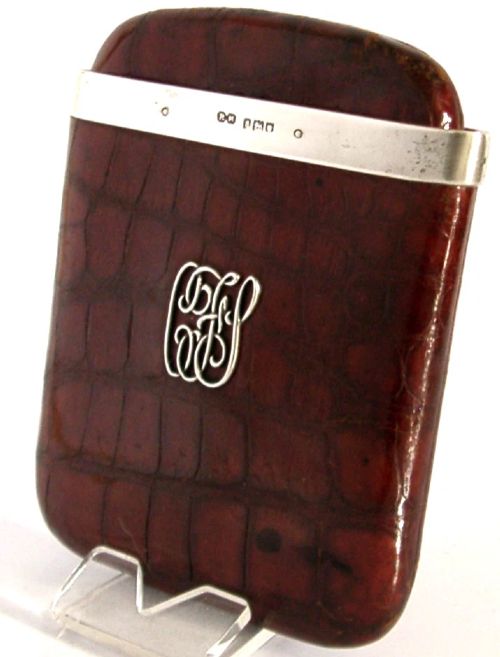
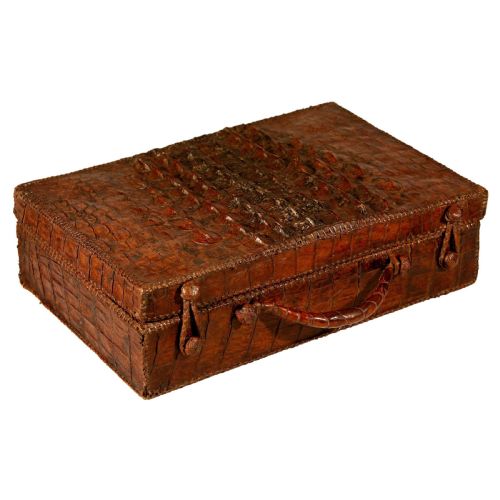
Makers utilised sturdy wooden or metal carcases as foundations, covering them in cattle hide, canvas, or exotic variants such as crocodile and alligator leather. Exterior surfaces frequently employed hand-dyeing techniques, tooled detailing, and protective brass banding or reinforced corners to withstand frequent handling.
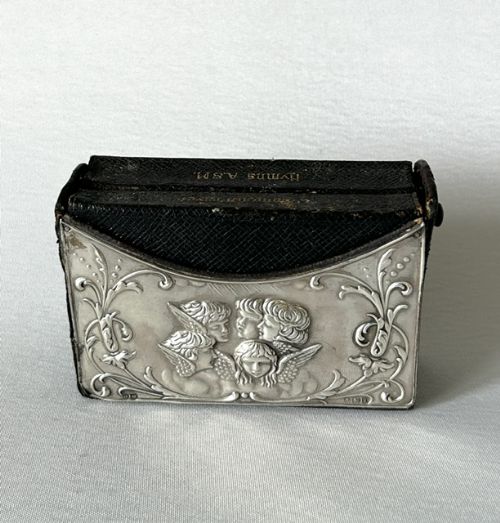
Interiors were meticulously fitted with velvet, silk, or leather linings, often incorporating compartments, mirrors, and custom slots for accessories like glass bottles, razors, or playing cards. Many smaller containers integrated sterling silver mounts, hinges, and locks bearing hallmarks from regional assay offices.
Edwardian Leather Box Retail Price Guide 2026
Typical asking prices for edwardian leather box among the pieces listed under this phrase on Sellingantiques today, from the lower quarter to the upper quarter. They describe what is for sale here now, not the wider market.
Listings feature pieces spanning the Victorian, Edwardian, and 1920s periods, constructed from leather, brass, wood, and sterling silver.
What varies in quality
Quality rests significantly upon the integrity of the materials and the sophistication of the interior fittings, ranging from plain utility cases to elaborately partitioned caskets with working locks and keys. The choice of exterior skin, from standard grained leather to hornback crocodile and specialised canvas, dictates the original tier of the piece.
The presence of original maker details, silversmith hallmarks, and bespoke internal configurations distinguishes standard production items from high-end commissioned work. Craftsmanship is further evident in the precision of the stitching, the weight of the brass hardware, and the preservation of fitted compartments.
J C Vickery·Howell And James·Lincoln Bennett·Huntley And Palmers·Peek Frean And Co·John Pound·Levi And Salaman·Drew And Sons
The Edwardian Leather Box Glossary
- Campaign
- Describing portable furniture and storage designed for military officers or travel, typically featuring recessed brass handles and reinforced corners. These pieces were built for durability during transit.
- Hallmark
- An official stamp applied to precious metals like sterling silver, indicating the maker, assay office, and year of testing. These marks help date the mounts on leather boxes.
- Fitted interior
- An internal arrangement featuring custom compartments, trays, or slots designed to hold specific items securely. Such layouts are common in dressing cases and games boxes.
- Portmanteau
- A large leather travel trunk or suitcase that opens into two equal sections. The term denotes substantial luggage intended for extended journeys.
- Tooled leather
- Leather decorated by impressing heated metal tools or stamps into the surface to create patterns or armorial motifs. This technique adds ornamental texture to book boxes and desk accessories.
Edwardian Leather Box: Frequently Asked Questions
What were leather boxes used for?
These containers served varied purposes across domestic and travelling spheres, acting as secure receptacles for jewellery, playing cards, stamps, and writing materials. Larger iterations functioned as hat boxes, sandwich cases, or robust luggage trunks for early twentieth-century journeys.
Internal fittings often reveal the intended function, housing everything from glass bottles and cutlery to cigars and personal documents. Their design reflected the structured social habits and travel requirements of the era.
How do I date an Edwardian leather box?
Dating relies heavily on style markers, associated paperwork, and any incorporated silver hallmarks that record the exact year and assay office. Maker marks and stamps inside the lid frequently point to specific retail establishments active during the period.
Materials and construction techniques also offer chronological clues, as does accompanying ephemera like original travel labels. Comparing the form to documented catalogue examples helps narrow the decade of manufacture.
Are travel trunks and small boxes made the same way?
While both utilise a structural carcase covered in leather or canvas, large travel trunks incorporate heavy framing, wooden slats, and robust brass banding to endure rough transit. Smaller desktop boxes and vanity cases focus instead on delicate interior linings, leather tooling, and silver mounts.
Trunks prioritise exterior weather resistance and reinforced corners, whereas smaller items emphasise fine surface decoration and compartmentalised storage for personal items.
How should I care for vintage leather?
Maintenance requires keeping the material away from direct sunlight and excessive moisture to prevent the leather from drying out or cracking. Gentle dusting and occasional specialist conditioning help preserve the supple quality of the hide.
Metal mounts and silver elements benefit from careful cleaning without abrasive agents that might damage the surrounding leather surfaces or stamped details.