




Edwardian Leaded Light
Edwardian leaded light panels and windows bring historic colour and texture into a room through hand-painted glass and lead cames.
Edwardian Leaded Light
An edwardian leaded light typically appears as a window panel or glazed door insert, frequently decorated with hand-painted scenes of landscapes, flowers, or birds. These panels originate from the periods spanning the late nineteenth century through the early decades of the twentieth century, aligning with Victorian, Edwardian, and Arts and Crafts design movements.
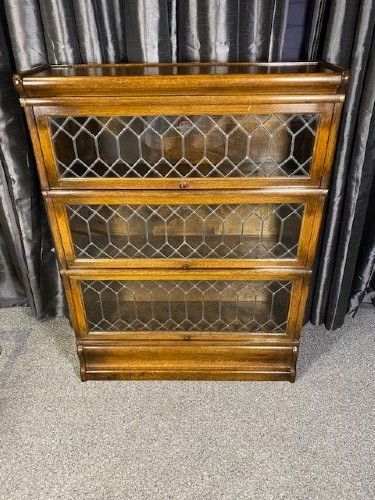
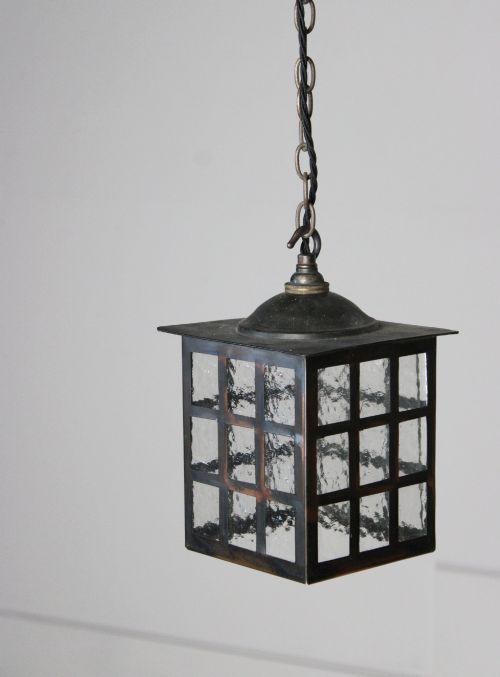
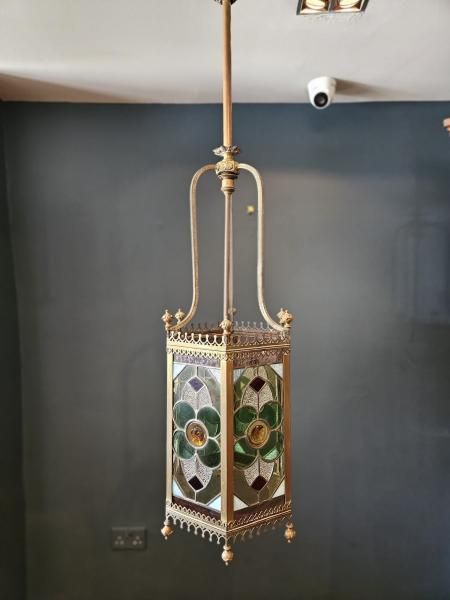
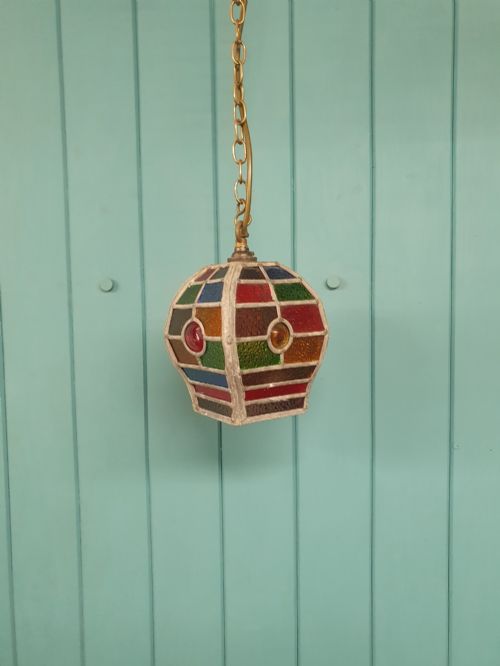
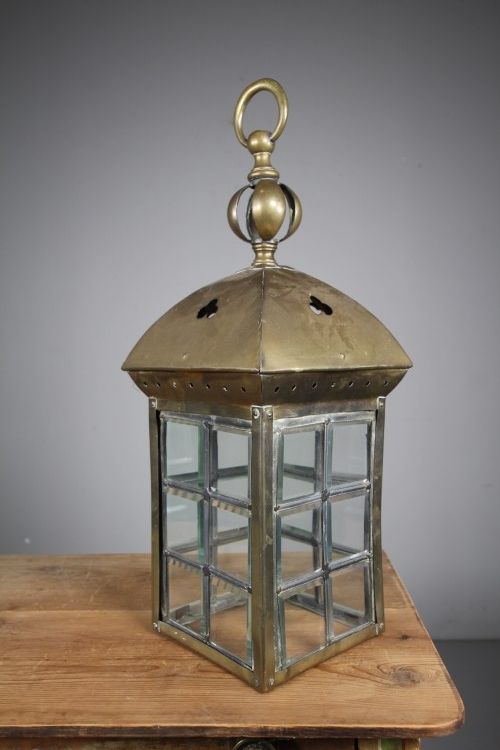
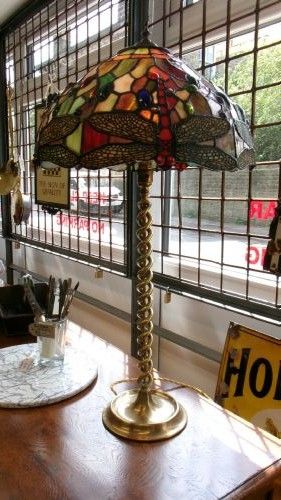
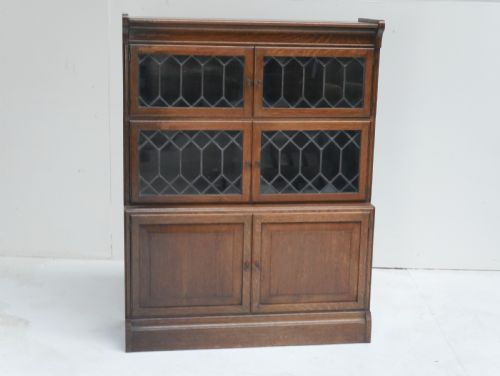
Beyond architectural windows, related items sharing similar glass and metal construction include hanging hall lanterns, pendant lights, and occasional pieces of furniture incorporating leaded glass doors such as bookcases and sideboards.
Materials and construction
Pieces are constructed by joining sections of cut glass using flexible lead cames, soldered at the joints to form a rigid structural lattice. Individual glass panes often incorporate coloured, amber, or textured bullseyes alongside sections featuring hand-painted naturalistic designs.
Metal components such as brass or copper provide the framework for hanging lanterns and lamps, while furniture pieces utilise hardwoods like oak and pine to house the fragile glass panels securely.
Items span the Victorian, Edwardian, Arts and Crafts, and Art Nouveau styles.
Quality and craftsmanship
The sophistication of the hand-painted details and the complexity of the glass composition distinguish finer examples from standard production. Detailed pictorial panels depicting countryside scenes, winter views, or specific bird motifs demonstrate greater artistic skill than simple geometric arrangements.
The structural integrity of the lead came network and the preservation of the original glass without excessive modern replacement determine the authenticity and durability of each piece.
Maple and Co·Minty·Globe Wernicke
The Edwardian Leaded Light Glossary
- Came
- A slender channel of lead used to hold together pieces of stained or clear glass in a window. These metal strips form the linear pattern of the design.
- Bullseye
- A small, circular piece of glass featuring a central raised knob, formed by the pontil mark in traditional glassblowing. They add texture and amber tones to window compositions.
- Stained glass
- Glass that has been coloured during its manufacture by the addition of metallic oxides. It retains its hue permanently rather than relying on surface paint.
- Arts and Crafts
- A design movement valuing traditional craftsmanship and simple forms. It strongly influences the floral and natural motifs found in these domestic windows.
- Art Nouveau
- A style characterised by fluid, organic lines and stylised plant motifs. This aesthetic often appears in the sweeping curves of period window designs.
Edwardian Leaded Light: Frequently Asked Questions
How do I hang a leaded glass window?
Heavy window panels require secure chain or wire fixings attached to structural window frames rather than standard picture hooks.
Weight distribution across the lead framework matters, so professional framing or internal mounting ensures the glass does not sag over time.
Are these windows suitable for exterior use?
Most surviving decorative panels function best as internal room dividers or hung against existing window panes to protect the historic lead.
Exposure to modern weather can weaken fragile soldered joints and delicate hand-painted surfaces found on early pieces.
How do I clean leaded glass?
Use a soft, dry cloth or a gentle sponge with mild soapy water to avoid disturbing the painted details and fragile lead cames.
Harsh chemical cleaners can erode the solder and damage the surface pigments of antique glass.
How do I date an edwardian leaded light?
Dating relies on stylistic clues such as the transition from Victorian Gothic heaviness to flowing Arts and Crafts or Art Nouveau motifs.
Construction methods and accompanying woodwork, such as oak or pine frames, also provide clear chronological markers.