


Decorative Glass Window Panel
These decorative glass window panel examples bring rich colour and historic character to a room, filtering daylight through centuries of traditional craftsmanship.
Decorative Glass Window Panel
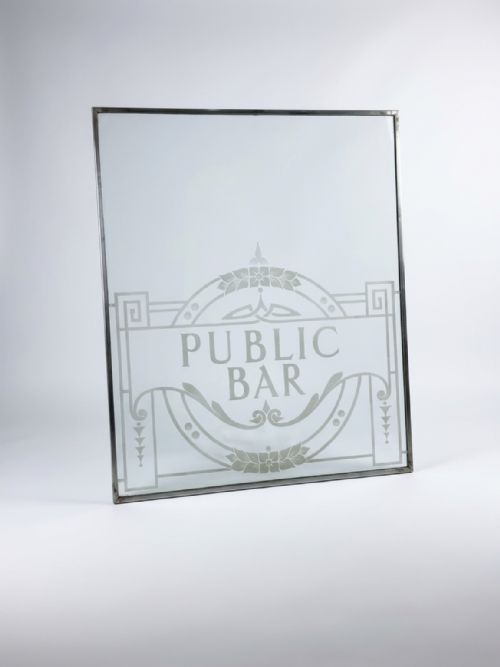
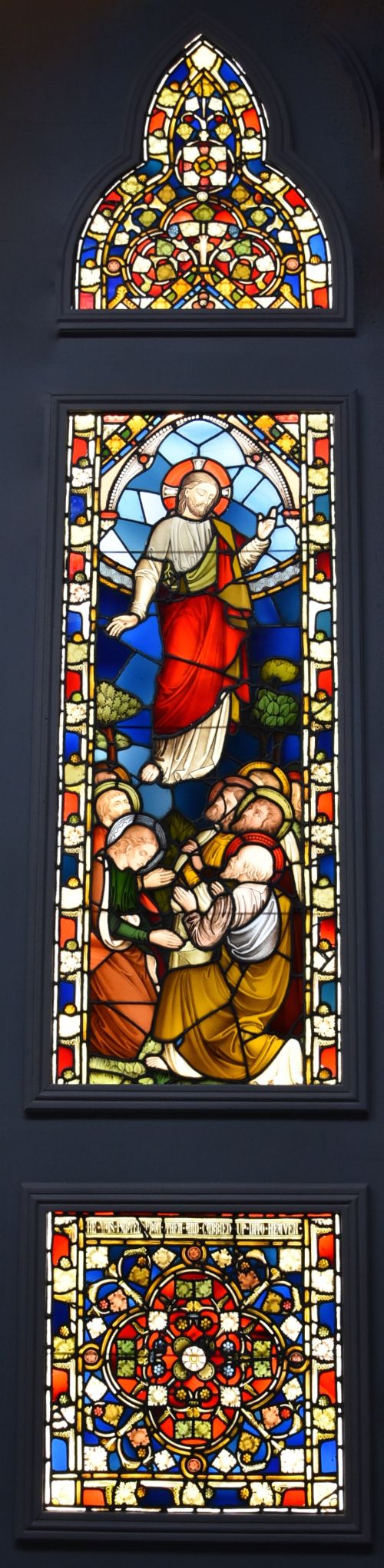
A decorative glass window panel brings architectural salvage and historic charm directly into interior spaces, offering rich colour and pattern. When searching for a decorative glass window panel, buyers encounter Victorian, Edwardian, and 1930s examples shaped by traditional periods. These architectural pieces transform plain daylight into pools of coloured or etched light.
The selection ranges from large-scale mid-nineteenth-century triptychs and pub windows to domestic Edwardian pairs and 1930s Dutch folk art designs. Most pieces incorporate lead cames holding together stained, painted, or etched glass elements. Architectural salvage formats allow these panels to be hung as wall art, fitted into modern partitions, or placed within existing window frames.
How they were made
Maker construction relies heavily on lead cames joining individual sections of glass together into cohesive pictorial designs. Artisans combined stained glass with hand-painted details depicting countryside scenes, floral motifs, and figurative subjects. Etched glass techniques created opaque and translucent patterns across the surface, often seen in nineteenth-century public house settings.
Support structures frequently involve timber frames or pine wood surrounds that held the heavy leaded glazing securely in place within buildings. Bullseye glass elements appear alongside painted fruit and animal designs, demonstrating varied kiln-firing methods. Metal reinforcement bars were soldered into the lead matrix to support larger panels against wind pressure.
Materials recorded across the inventory include lead, glass, timber, pine wood, stained glass, etched glass, and metal frames.
What varies in quality
Quality separates simple production windows from ambitious artistic works through the complexity of the hand-painted details and the depth of the glass colour. Superior panels display intricate brushwork in landscape scenes, religious subjects, or figurative designs such as the Shakespeare emblem and animal motifs. The integrity of the lead network and the preservation of original timber frames also influence the overall character.
The choice between a straightforward geometric leaded pattern and a pictorial painted triptych changes the visual impact within a room. Greater artistry in the etching and firing stages produces lasting brilliance in the transmitted light. Architectural salvage condition depends on how carefully the panel was removed from its original Victorian or Edwardian setting.
The Decorative Glass Window Panel Glossary
- Came
- A slender grooved strip of lead used to hold pieces of glass together in a window panel. These strips form the grid pattern that defines the overall design.
- Bullseye
- A round disc of glass formed by the centre of a blown glass cylinder or sphere, often left clear or lightly coloured. They create textural distortion and visual interest in historic glazing.
- Etched glass
- Glass treated with acid or abrasive methods to remove the surface layer and create opaque decorative designs. This technique provides subtle contrast against clear or stained sections.
- Architectural salvage
- Building elements and fixtures recovered from older structures slated for demolition or renovation. Salvaged panels retain historic fabric from Victorian and Edwardian buildings.
Decorative Glass Window Panel: Frequently Asked Questions
How do I hang a decorative glass window panel?
These panels can be suspended in front of existing light sources using sturdy chain fixtures attached to the timber frame. Ensuring the weight is properly supported protects the lead cames from stretching.
Positioning the panel where natural daylight passes through highlights the painted and stained details most effectively. Many buyers also mount them internally against a light box when window placement is not suitable.
Can these window panels be fitted into modern walls?
Architectural panels integrate well into interior partition walls to borrow light between adjacent rooms. A competent joiner creates a rebate in the timber framing to secure the panel safely.
Double glazing or secondary glazing can protect historic panels when they are installed on exterior walls. This safeguards the delicate leadwork and hand-painted surfaces from weather damage.
How do I tell Victorian panels from Edwardian ones?
Victorian examples often display heavier Gothic Revival influences, religious subjects, or dense etched pub window designs. The colour palette tends to feature rich, saturated tones and robust lead lines.
Edwardian and Arts and Crafts pieces frequently incorporate lighter floral motifs, bird scenes, or symmetrical pairings. The overarching aesthetic shifts toward airier compositions with pastoral themes.
What is the difference between stained glass and painted glass?
Stained glass uses metallic oxides fused into the glass batch during manufacture to produce permanent colour throughout the material. Every piece contributes to the mosaic pattern held by lead cames.
Painted glass involves pigments applied to the surface of clear or coloured glass and kiln-fired to bond permanently. This technique allows fine details like facial expressions, countryside scenes, and lettering to be rendered clearly.