



Edwardian Jewellery Cross
An edwardian jewellery cross combines delicate craftsmanship with devotional form, offering a tangible piece of early twentieth-century sentiment.
Edwardian Jewellery Cross
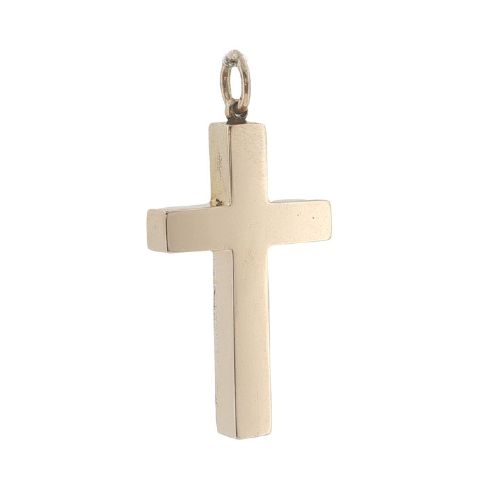
An edwardian jewellery cross takes the form of a pendant or brooch, often rendered in yellow gold, rose gold, or platinum, worn near the heart. You will frequently encounter engraved 9ct gold examples bearing Birmingham hallmarks from the opening decade of the twentieth century.
The selections span from strict Edwardian work to overlapping Victorian and Art Deco eras, alongside Arts and Crafts silver interpretations. These pieces function primarily as devotional ornaments or sentimental keepsakes rather than large display items.
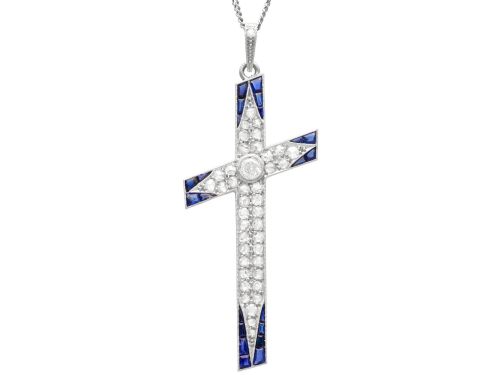
The forms range from simple engraved metal crosses to elaborate diamond, pearl, turquoise, and sapphire clusters. Pendant and brooch conversions appear regularly, designed to be worn upon chains or pinned directly to garments.
How they were made
Maker's hands shaped these crosses using 9ct, 15ct, and 18ct gold, alongside silver and platinum settings to secure precious stones. Surface decoration relied on hand engraving and meticulous chasing to catch the light.
Goldsmiths set diamonds, Montana sapphires, pearls, and turquoise into the metal framework using traditional claw, bezel, and star settings. Components like jump rings and pin stems were soldered securely to allow everyday wear.
Edwardian Jewellery Cross Retail Price Guide 2026
Typical asking prices for edwardian jewellery cross among the pieces listed under this phrase on Sellingantiques today, from the lower quarter to the upper quarter. They describe what is for sale here now, not the wider market.
One versatile cross doubles as a brooch, ready to anchor a cravat or guard a secret pocket.
What varies in quality
The distinction between ordinary and exceptional pieces rests on the crispness of the hand engraving and the balance of the proportions. Superior examples display careful stone matching and secure, integrated mountings rather than hasty assembly.
Provenance and maker attribution elevate certain works, particularly where identifiable silver and gold craftsmanship by notable partnerships survives. The integrity of the original gold colour and minimal surface wear also determine the standing of each piece.
Omar Ramsden and Alwyn Carr
The Edwardian Jewellery Cross Glossary
- Hallmark
- Official stamps pressed into precious metal to denote purity, origin assay office, and year of manufacture. These tiny marks provide the backbone for dating an antique piece.
- Albert Chain
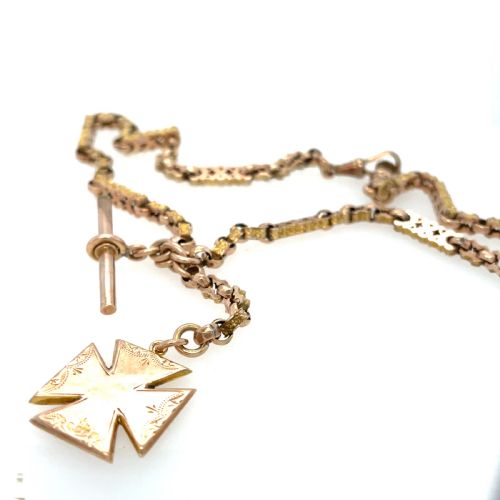
- A heavy watch chain designed to be worn across a waistcoat, often accompanied by a T-bar and fob. These chains are frequently adapted to hold pendant crosses.
- Rose Cut
- An antique stone cutting style featuring a flat base and a faceted dome that rises to a point. This cut produces a soft, starry shimmer rather than modern brilliance.
- Brooch/Pendant
- A dual-purpose mounting fitted with both a pin mechanism and a hidden loop. This allows the ornament to be pinned to clothing or suspended from a neck chain.
- Target Cluster
- A circular arrangement of small gemstones surrounding a central focal stone, resembling a target. This geometric layout is particularly characteristic of later periods.
Edwardian Jewellery Cross: Frequently Asked Questions
How do I wear an antique cross?
Most pendant versions slide easily onto a fine gold chain or silk cord to rest against the collarbone. Brooch combinations can be pinned securely to lapels or the centre of a neckline.
Ensure the safety catch functions properly if your piece uses a pin mechanism. Pairing them with contemporary chains allows everyday security while preserving the original pendant loop.
Are these crosses made of solid gold?
The listings show pieces fashioned from solid 9ct, 15ct, and 18ct yellow and rose gold, alongside platinum and silver examples. Hallmarks stamped into the metal usually confirm the exact purity standard used by the workshop.
Solid gold construction ensures the engraving remains sharp and the structure resists bending during daily wear. Unmarked pieces are typically tested to verify their metal content.
What stones are set in these crosses?
Diamonds, pearls, Montana sapphires, and turquoise appear frequently across these devotional pieces. These gems were chosen for their colour and sentimental associations during the period.
Settings vary from delicate millegrain borders to robust star settings holding individual gems. Each stone contributes to the overall texture and visual weight of the pendant.
How do I date an edwardian cross?
Hallmarks stamped directly onto the metal provide the most reliable date, often naming specific assay towns like Birmingham and exact years. Stylistic clues such as delicate platinum work or specific engraving patterns also point toward the early twentieth century.
Overlapping Victorian and Art Deco influences mean some pieces bridge distinct design eras. Examining the construction techniques helps place the cross within its historical window.