


Edwardian Jewellery Case
An edwardian jewellery case brings together glass, mahogany, and velvet to secure precious items with period elegance.
Edwardian Jewellery Case
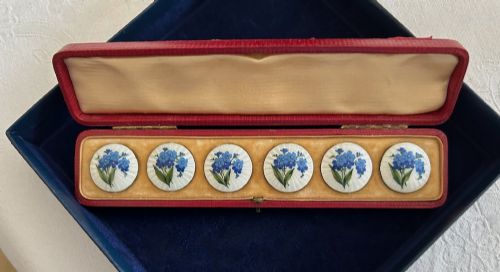
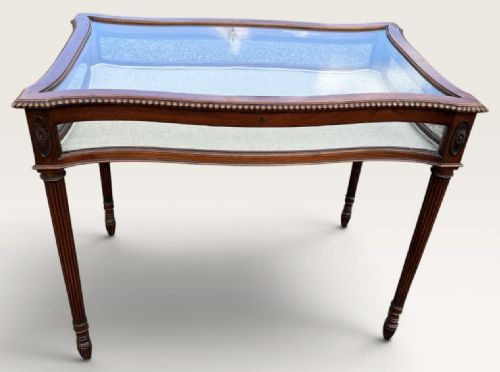
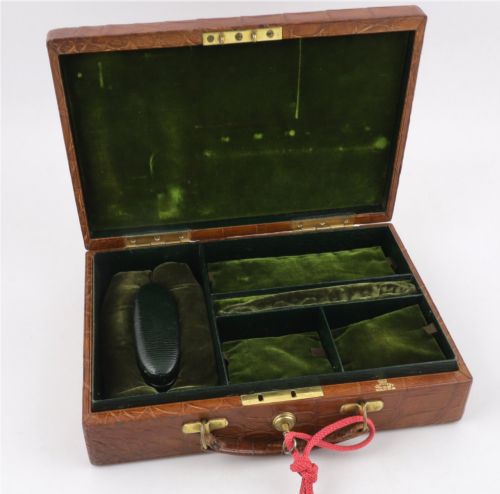
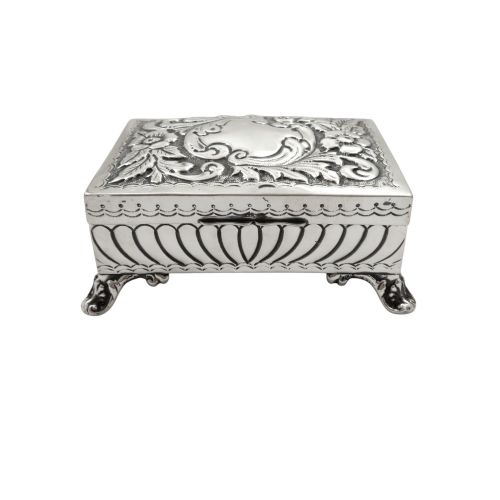
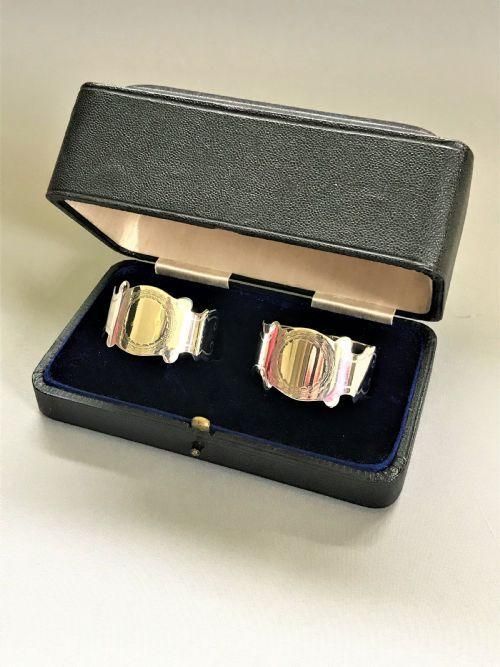
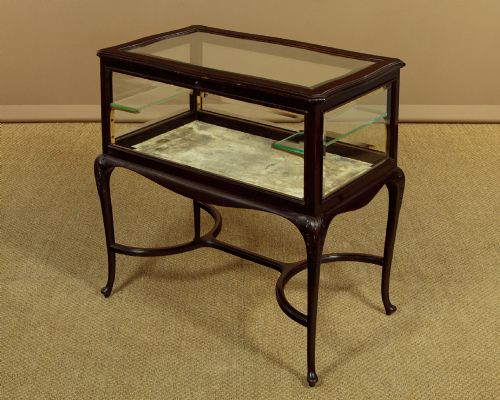
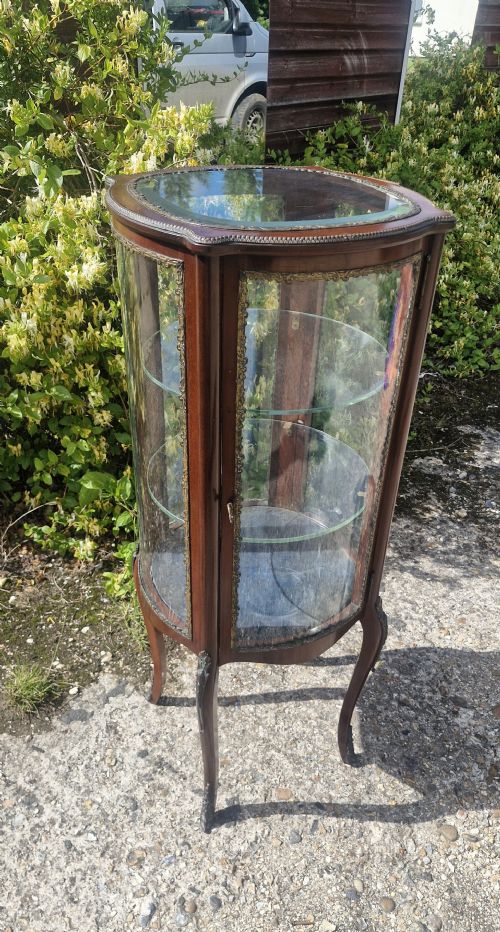
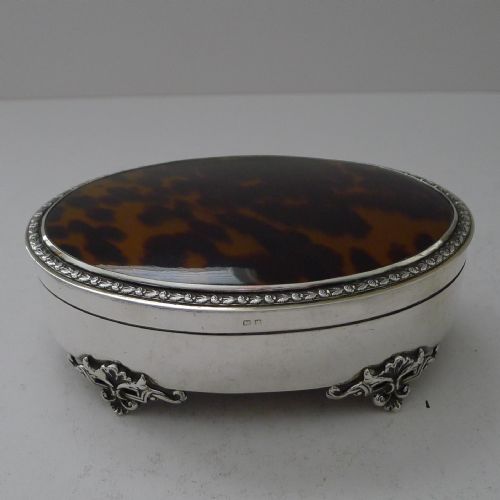
An edwardian jewellery case encompasses portable boxes and larger glass display tables intended for precious trinkets. Buyers encounter mahogany and satinwood cabinets alongside leather and sterling silver boxes dating from the early twentieth century.
The selection ranges from serpentine bijouterie tables to compact vanity boxes and fitted containers. These pieces reflect the domestic storage requirements and decorative tastes of the era.
Materials and Construction
Cabinet makers utilised solid and veneered timbers such as mahogany, satinwood, rosewood, and walnut, frequently incorporating crossbanding and marquetry. Brass mounts, gilt metal, and glass panels define the display furniture, while interiors rely on velvet and fabric linings.
Portable boxes employ materials like crocodile leather, tortoiseshell, and sterling silver. Joinery methods and brass hardware secure the glass and wood structures of the larger tables and cabinets.
Listings feature mahogany, satinwood, glass, brass, and sterling silver across Edwardian and Victorian items.
Quality and Distinction
The standard of an edwardian jewellery case depends on the precision of its inlaid woodwork and the integrity of its glazed panels. Finer examples display carefully matched grain patterns, intact velvet interiors, and original brass fittings without structural compromise.
Simpler containers rely on straightforward leatherwork or standard hardware, whereas superior pieces integrate specialised silver hallmarks, tortoiseshell accents, or intricate marquetry that elevate the craftsmanship.
J C Vickery·James Deakin & Sons
The Edwardian Jewellery Case Glossary
- Bijouterie table
- A glass-topped display table designed to showcase small ornaments and jewellery. These pieces elevate storage into a visual presentation.
- Crossbanding
- A decorative border of veneer laid perpendicular to the surrounding grain. This technique frames the top surfaces of cabinets and tables.
- Marquetry
- The art of applying pieces of veneer to a structure to form decorative patterns. Craftsmen utilise varied timber tones to create floral or geometric motifs.
- Serpentine
- A curved shape featuring a convex centre flanked by concave sides. This fluid contour appears on the edges of tables and display cases.
Edwardian Jewellery Case: Frequently Asked Questions
What is a bijouterie table?
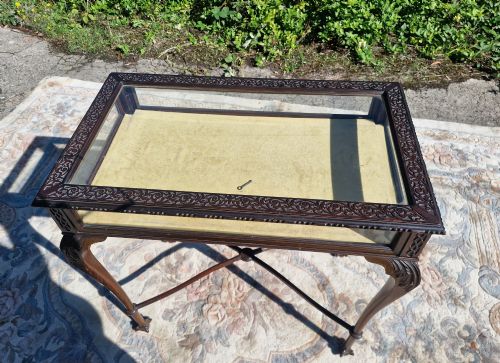
A bijouterie table is a specialised display piece featuring glazed top panels and velvet linings. It served to exhibit small valuables and precious collections in a drawing room.
These tables combine the functions of a secure container and a display surface. The glass top allows contents to be viewed without handling.
How do I care for velvet interiors?
Velvet linings require gentle dusting with a soft brush to remove accumulated debris. Avoid moisture, which can stain or distort the fabric and damage the surrounding timber.
Keeping the case away from direct sunlight protects the fabric colour from fading. Proper ventilation prevents humidity from degrading the internal materials.
How are Edwardian pieces dated?
Dating relies on stylistic markers, construction techniques, and official silver hallmarks when present. The period spans the reign of Edward VII and the early twentieth century.
Inlaid mahogany and satinwood crossbanding offer clues to the decade of manufacture. Comparative examination of hardware and linings also helps establish the timeframe.