

Edwardian Jewellery 15ct Gold
Edwardian jewellery 15ct gold pieces unite high-carat warmth with delicate gems, offering collectors wearable history from the early twentieth century.

Edwardian Jewellery 15ct Gold
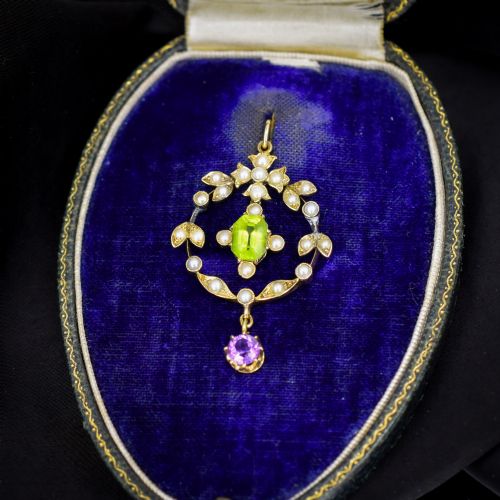
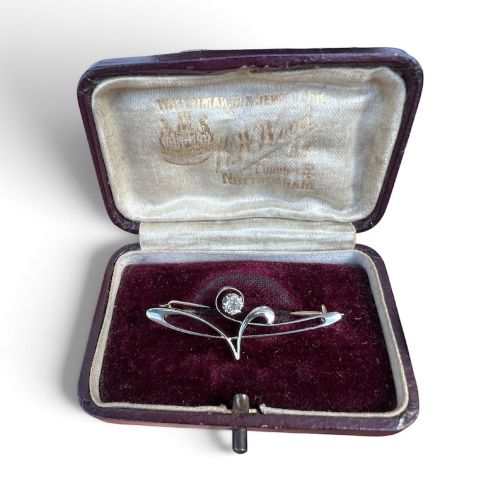
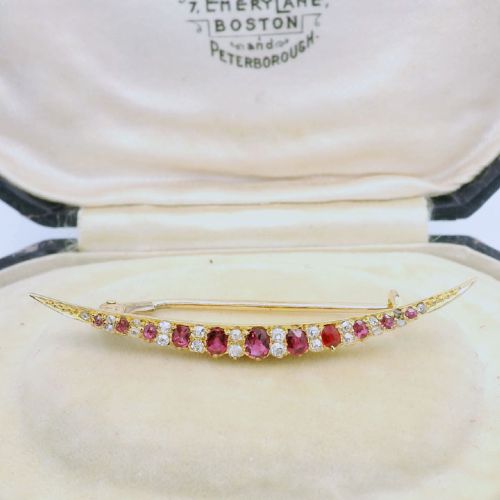
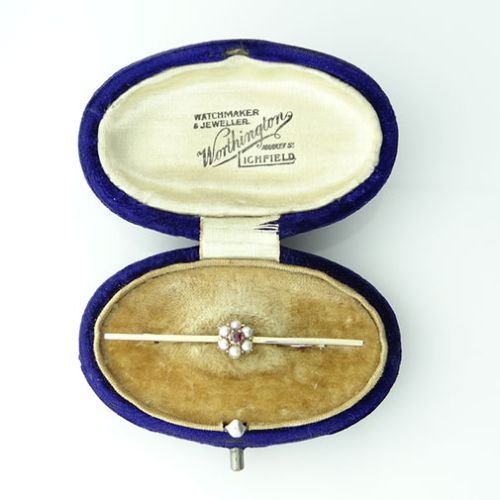
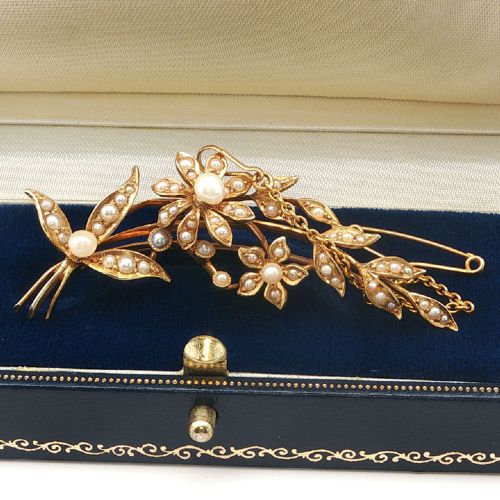
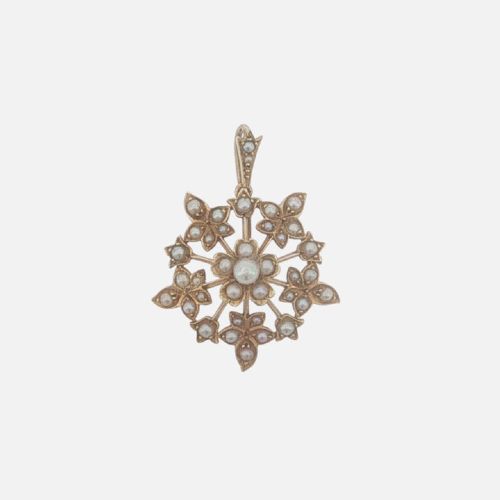
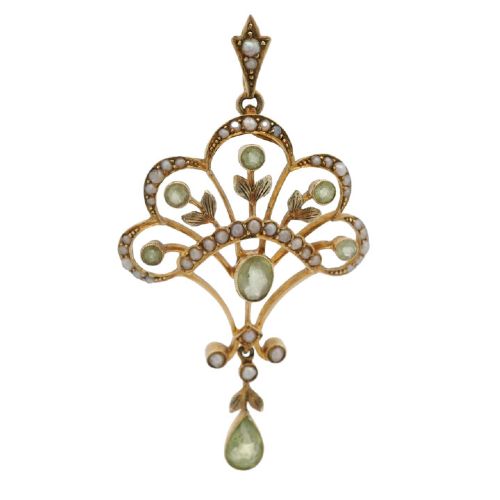
When searching for edwardian jewellery 15ct gold, collectors encounter a focused range of wearable ornaments produced around the turn of the twentieth century. The selection on this page centres on necklaces, pendants, brooches, bracelets, and rings originating primarily from the Edwardian period, alongside related Victorian and early twentieth-century examples.
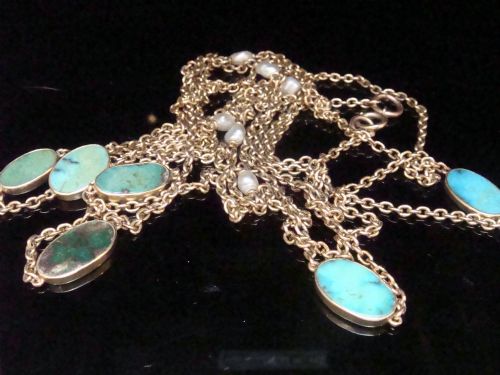
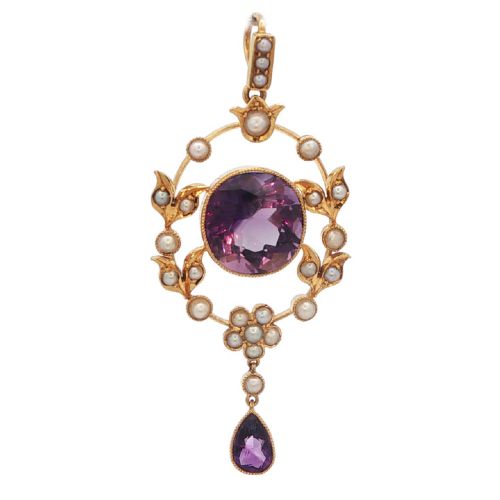
The most common formats include delicate lavalier pendants, floral and insect bar brooches, longguard chains, and hinged bangles. These items combine the characteristic higher gold purity of the era with distinctive regional craftsmanship.
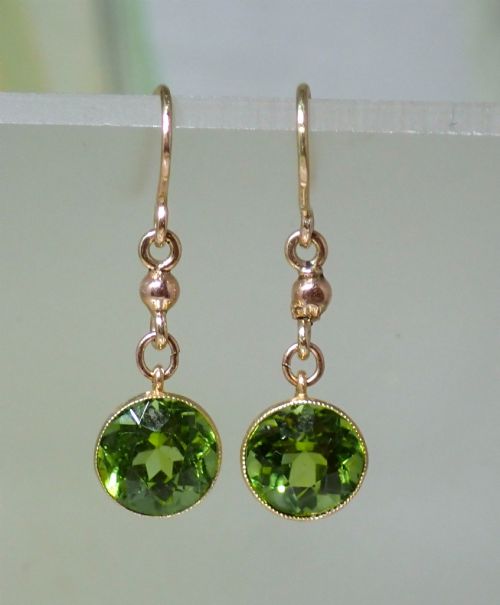
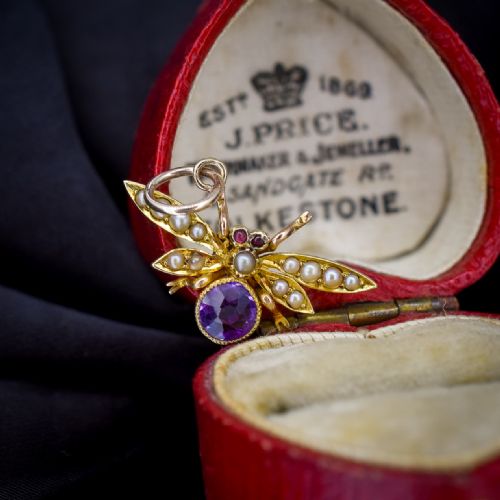
Pieces frequently incorporate stones such as seed pearls, amethysts, peridots, turquoise, and diamonds. Art Nouveau and Arts and Crafts influences also appear frequently among the listings, reflecting the aesthetic movements active at the time of manufacture.
How they were made
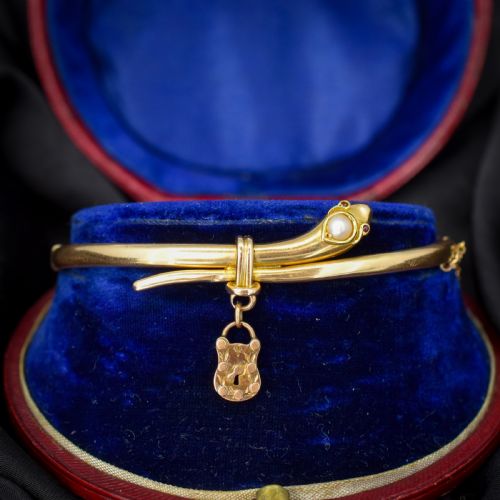
Workshops utilised distinct methods to combine 15ct gold and 15ct yellow gold with gemstones such as seed pearls, diamonds, rubies, and green garnets. Metal was drawn into fine wires, beaten into lightweight mountings, and cast into structured forms like snake serpents or floral sprays.
Gemstones were secured using bead setting, collet setting, or delicate claw work designed to maximise light passage through stones like peridot, aquamarine, and amethyst. Platinum accents occasionally appear alongside gold components in pieces influenced by contemporary Art Nouveau design.
Several items disguise their utility as functional walking stick brooches and tiny insect fly charms.
What varies in quality
Variations in quality stem from the precision of metalwork and the selection of gemstones. Superior items display meticulous assembly of intricate wirework, secure stone settings, and well-matched natural pearls or vibrant coloured stones.
The overall condition of hinges, pin stems, and safety chains on bracelets and brooches also distinguishes finer survivals. Items retaining original boxes, legible hallmarks, and unaltered structural components command greater interest from discerning collectors.
The Edwardian Jewellery 15ct Gold Glossary
- 15ct Gold
- A gold alloy containing 62.5 percent pure gold, widely used in British jewellery manufacture before being largely superseded by 9ct gold. This higher purity imparts a distinct warm yellow tone to the metal.
- Lavalier
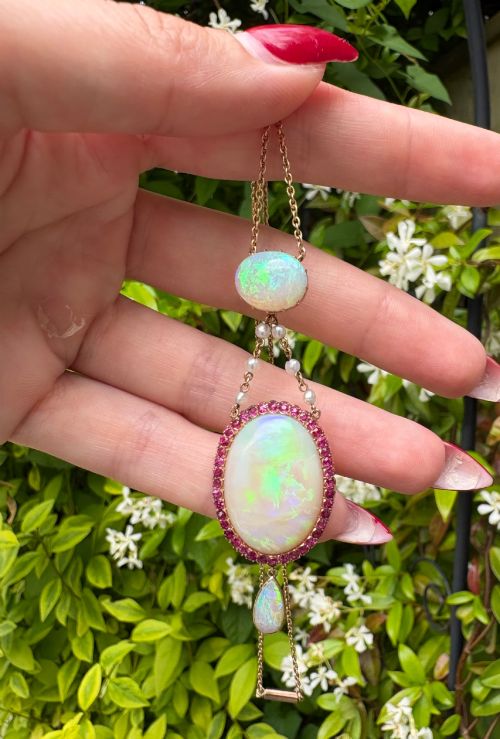
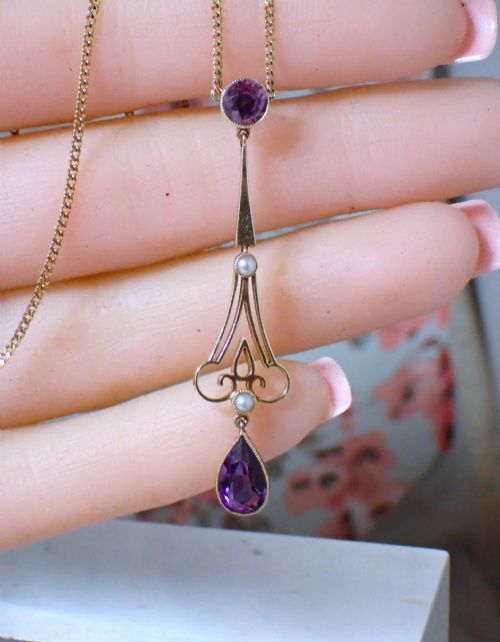
- A necklace featuring a pendant that drops below the main chain line, often incorporating multiple dangling gemstones. This style gained immense popularity during the Edwardian era.
- Seed Pearl
- Very small, natural or saltwater pearls drilled and threaded onto silk or wire to form intricate floral motifs or borders. They are a defining feature of early twentieth-century decorative ornaments.
- Longguard Chain
- An exceptionally long chain, often exceeding thirty inches, originally designed to hold a pocket watch or lorgnette. Wearers frequently doubled them for use as necklaces.
- Dog Clip
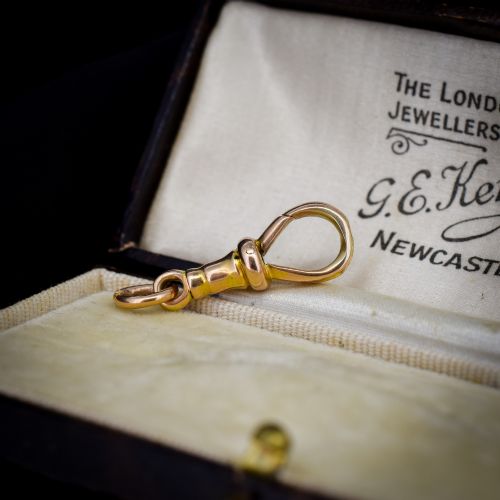
- A spring-loaded swivel clasp resembling a miniature hound fastening, commonly found on watch chains and charm pendants. It allowed secure attachment to clothing or accessories.
Edwardian Jewellery 15ct Gold: Frequently Asked Questions
How do I style an Edwardian pendant?
Edwardian pendants, particularly lavaliers and pearl-set drops, suit shorter chains to sit high on the collarbone or longer guard chains for a layered look. Their versatile proportions complement both casual garments and evening wear.
Pairing these items with contemporary minimalist clothing allows the intricate metalwork and coloured gems like peridot or amethyst to remain the visual focus.
How do I care for pearl jewellery?
Pearls require gentle maintenance because organic nacre is softer than faceted gemstones and susceptible to acids found in cosmetics, perfumes, and skin oils. Cleaning should involve only a soft, damp cloth without harsh chemical immersions.
Storing pieces individually in lined boxes prevents scratching from neighbouring items like diamond rings or gold chains.
Were these pieces hallmarked?
Many British pieces from this era bear official assay office hallmarks stamped directly onto the metal, indicating gold purity and occasionally the year of manufacture. Common marks include crown symbols alongside numerical purity stamps.
Unmarked items occasionally appear, requiring professional testing to verify the fifteen-carat gold content through acid testing or modern spectrometry.