


Edwardian Inlay Cabinet
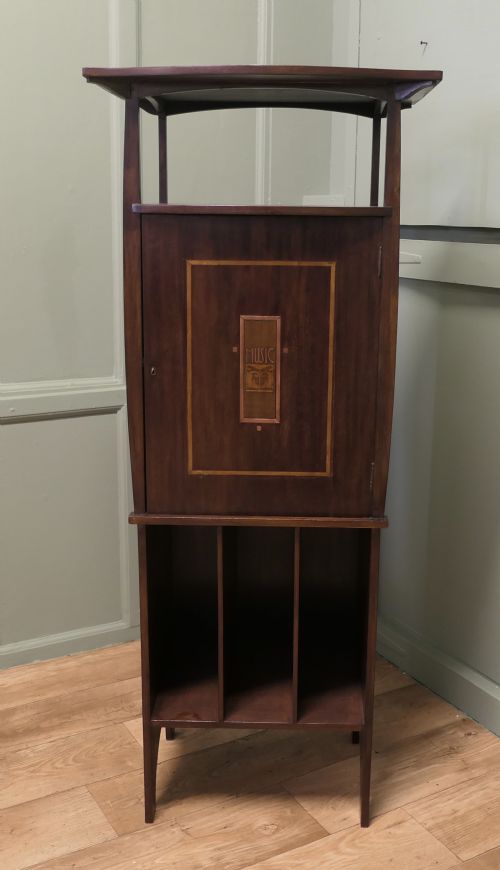
An edwardian inlay cabinet brings refined timber and delicate marquetry together, offering both useful storage and a distinct focal point for a room.
Edwardian Inlay Cabinet
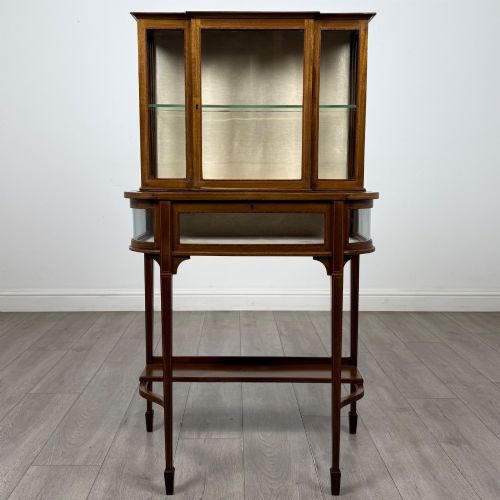
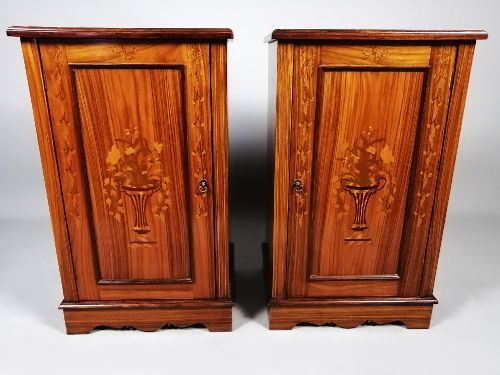
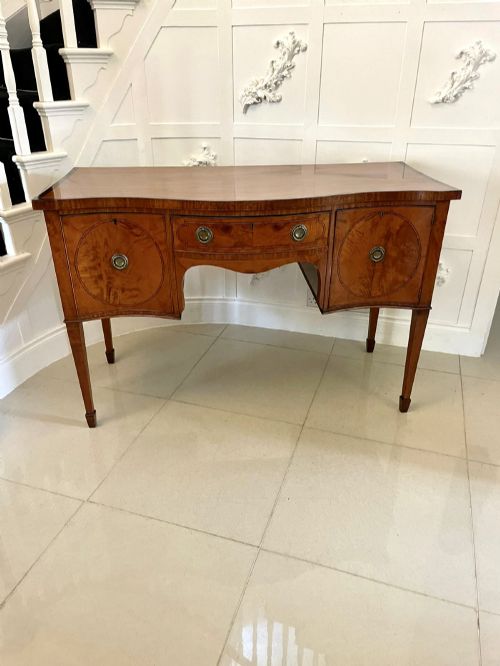
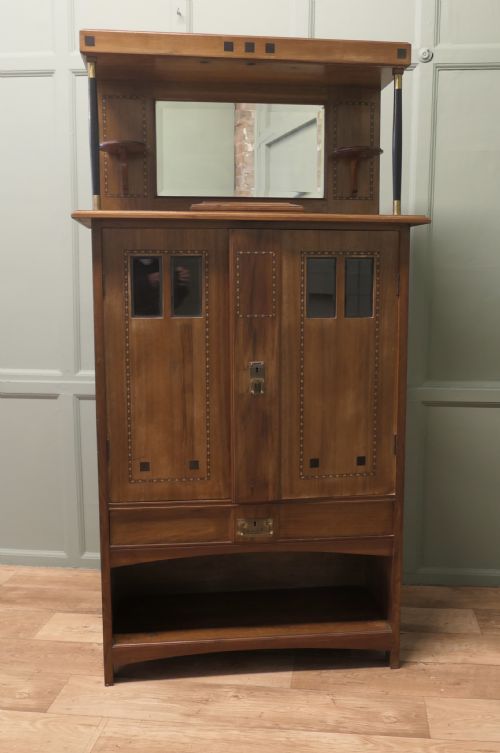
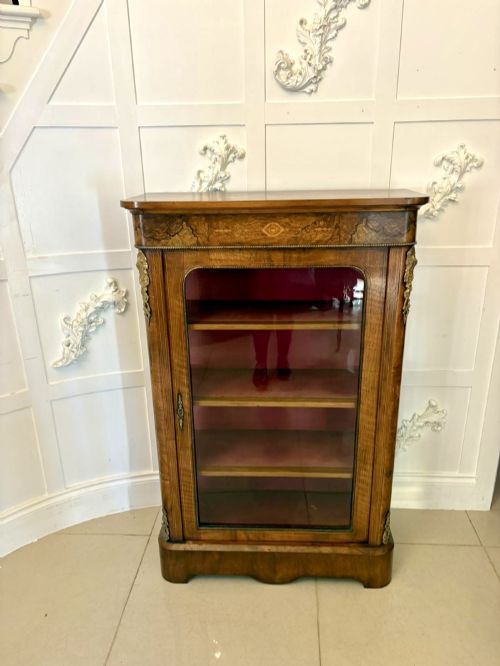
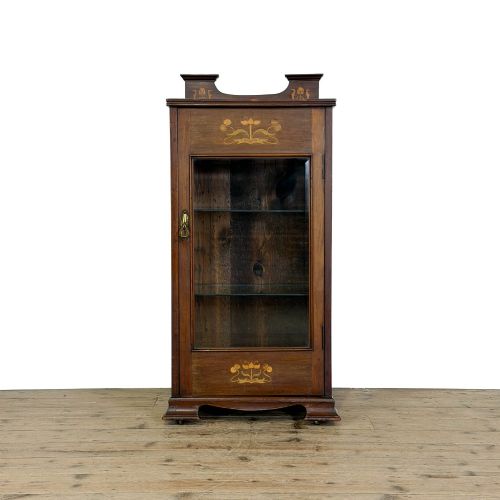
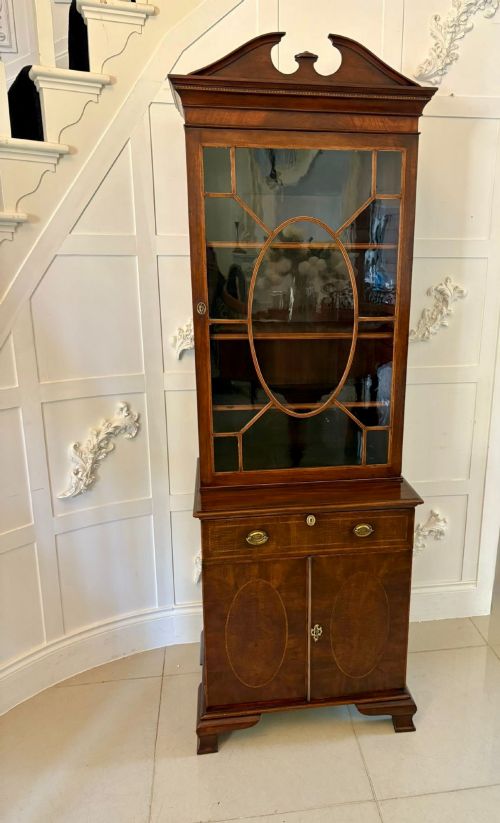
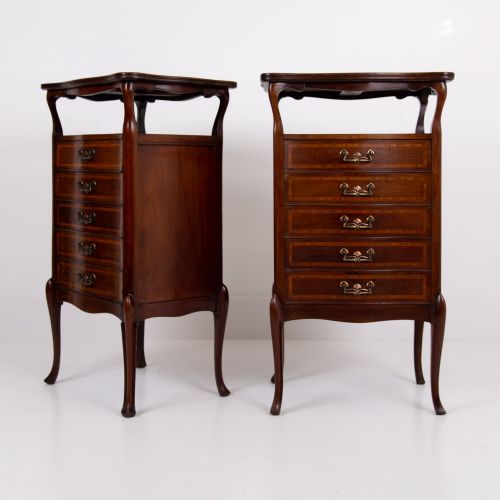
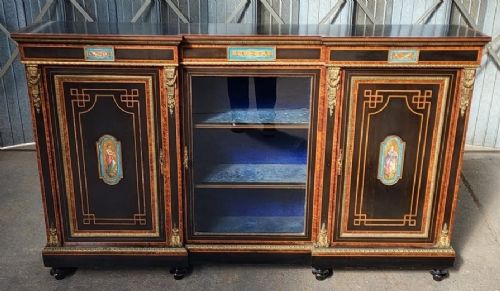
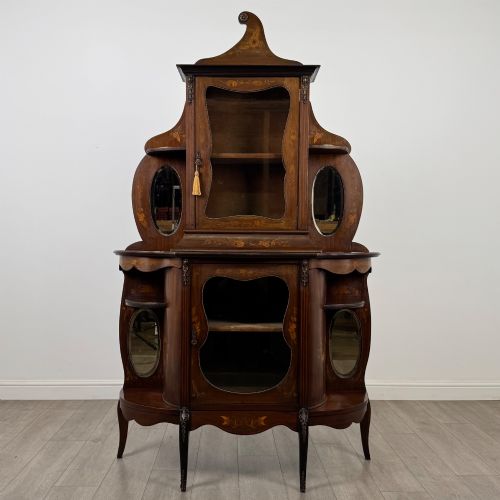
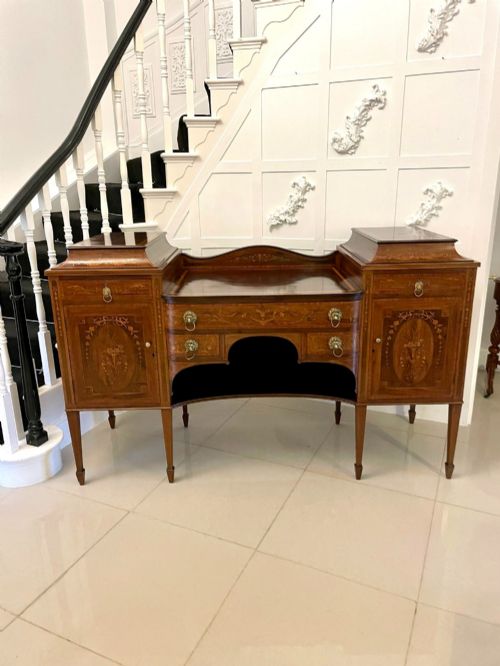
When you search for an edwardian inlay cabinet, you encounter a variety of forms including display cabinets, bookcases, sideboards, bedside cabinets, and corner cupboards that date predominantly from the late nineteenth and early twentieth centuries.
The pieces on this page span the Edwardian and Victorian eras, alongside styles such as Sheraton Revival and Art Nouveau, reflecting the decorative tastes of the period.
Mahogany remains the primary timber met in these listings, frequently accented with lighter woods and glass panels to create balanced domestic furniture.
Materials and Technique
Cabinet makers utilised dense hardwoods such as mahogany and rosewood as a sturdy base, often incorporating contrasting timbers for decorative effect.
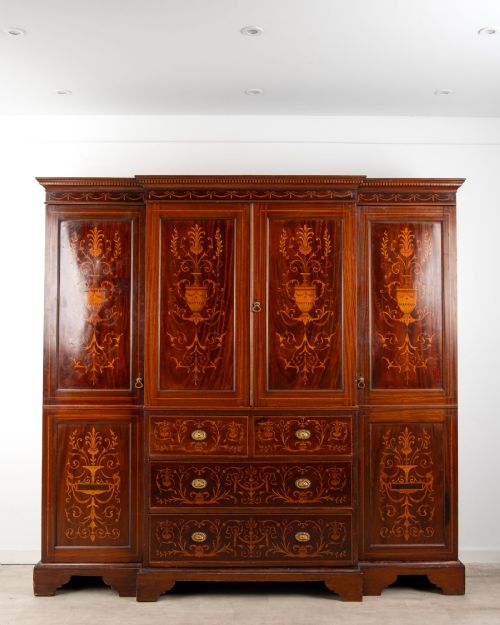
Marquetry and inlay techniques rely on thin veneers of satinwood, boxwood, and harewood, carefully fitted into recesses to form geometric patterns, scrolls, or floral motifs.
Brass hardware, mirrors, and glass doors complement the woodwork, providing functional structure and light reflection within display pieces.
Smokers cupboards keep pipes neatly contained.
Distinctions in Standard
The execution of the marquetry and the crispness of the timber contrast simpler utility items against masterworks produced by established firms.
Subtle details such as matched grain patterns, precise wood selection, and harmonious proportions separate standard production pieces from finer examples.
Hewetsons London·GM Elwood·JS Henry·maples and co·Edwards and Roberts
The Edwardian Inlay Cabinet Glossary
- Inlay
- A technique where contrasting pieces of timber, shell, or metal are inserted into a recessed surface to form a decorative pattern. This method defines the surface ornamentation of the pieces found here.
- Satinwood
- A durable tropical timber with a lustrous yellowish sheen, frequently utilised for banding and detailed inlay work. It provides sharp contrast against darker woods like mahogany.
- Marquetry
- An elaborate form of inlay that assembles pictorial or decorative veneers across a surface. Artisans cut various wood species to create intricate scenes or floral motifs.
- Sheraton Revival
- A late nineteenth and early twentieth century design movement that reinterprets eighteenth century neoclassical furniture forms. These pieces often incorporate light satinwood inlay and tapered legs.
- Compactum
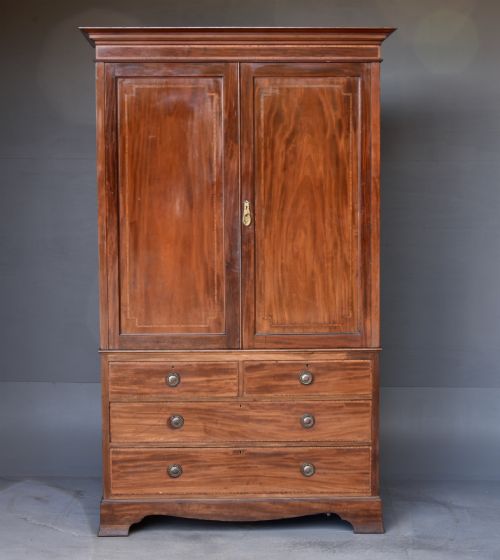
- A large fitted wardrobe combining hanging space, drawers, and linen shelves within a single carcass. It represents a practical solution for bedroom storage from the Victorian and Edwardian periods.
Edwardian Inlay Cabinet: Frequently Asked Questions
How do I identify an Edwardian cabinet?
Edwardian cabinets generally display lighter timbers, refined proportions, and delicate inlay work compared to heavier Victorian predecessors.
They often draw inspiration from earlier periods like the Sheraton revival, leaning towards elegance rather than mass.
What is satinwood inlay?
Satinwood inlay involves setting pale, yellow-toned wood veneers into dark primary timbers such as mahogany or rosewood.
This technique creates sharp visual contrast and highlights the structural lines of the cabinet.
Where were these cabinets used?
These cabinets served multiple domestic functions, from displaying porcelain in drawing rooms to holding books or bedside items.
Their varied forms allowed them to fit into parlours, bedrooms, and dining spaces alike.
How do I care for inlaid timber?
Inlaid furniture benefits from stable indoor environments away from direct sunlight and sudden temperature changes.
Regular dusting with a dry cloth and occasional application of appropriate wax helps preserve the finish of the veneer.