


Edwardian Inlaid Table Box
An edwardian inlaid table box brings together fine cabinet work and practical storage, offering a neat surface with hidden compartments inside.
Edwardian Inlaid Table Box
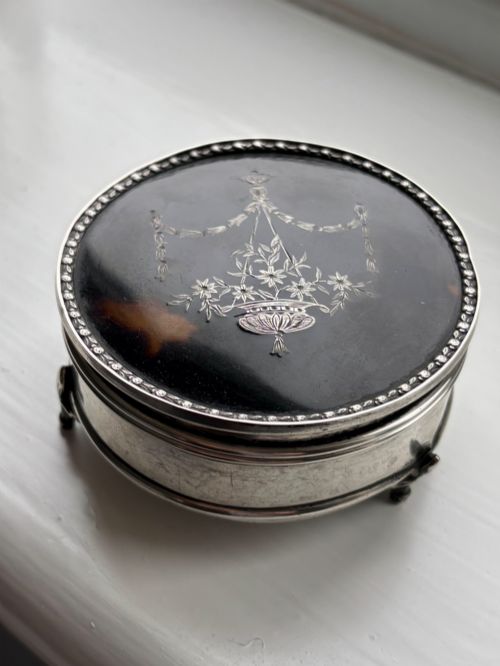
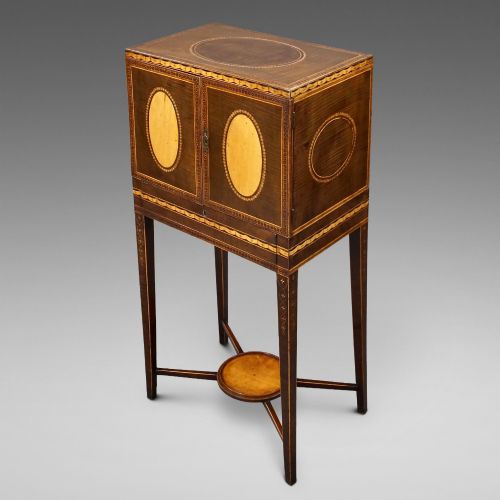
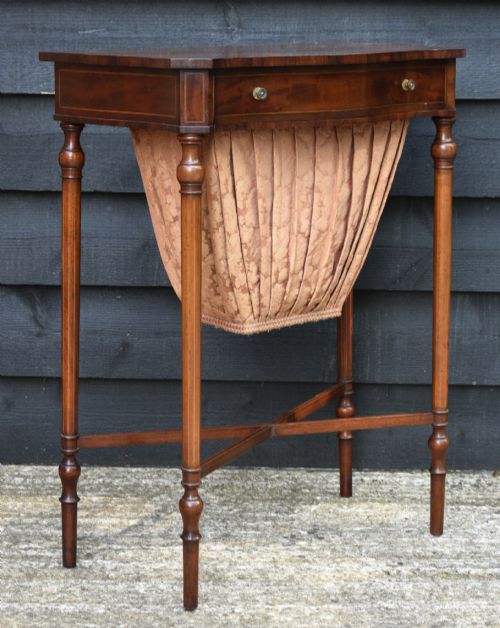
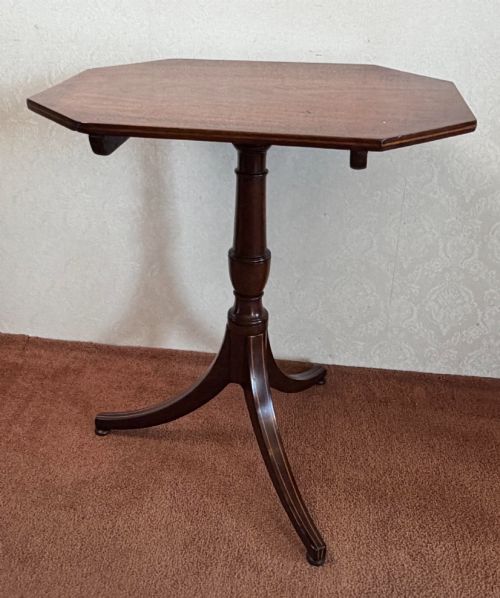
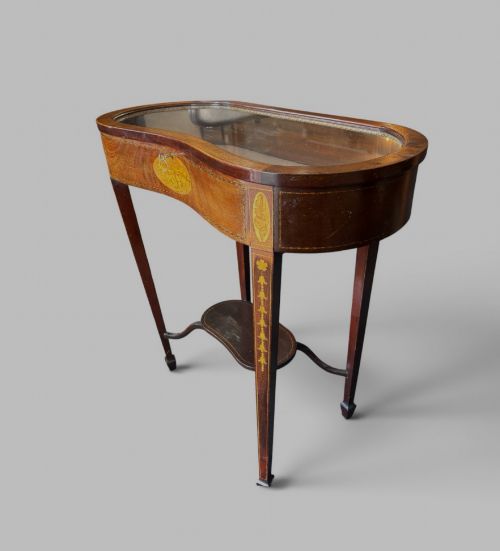
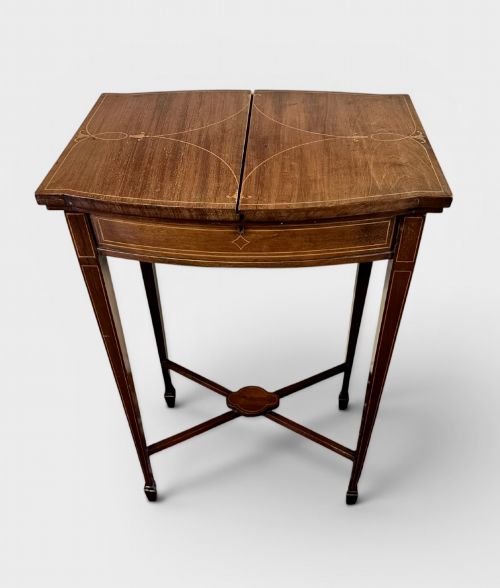
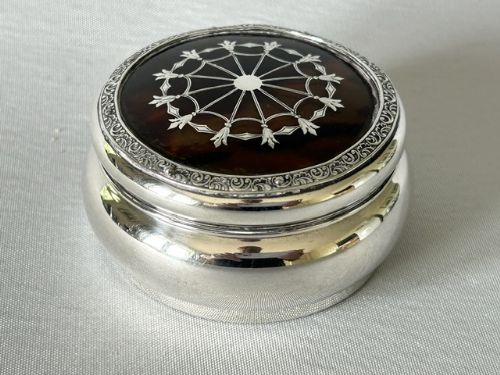
When you search for an edwardian inlaid table box, you encounter pieces that range from small vanity cases and trinket boxes to larger sewing tables and bijouterie display cabinets. The Edwardian examples dominate the selection, often combining mahogany or satinwood with delicate boxwood stringing and marquetry details.
Many of these items double as work tables or vitrines, designed to hold sewing gear, letters, or small collectables beneath glass lids or inside fitted wooden interiors. The forms span octagonal, serpentine, kidney-shaped, and rectangular silhouettes, reflecting the varied domestic needs of the period.
How they were made
Cabinet makers utilised dense hardwoods such as mahogany, rosewood, and satinwood as the primary carcase materials, often applying burr walnut veneers for rich grain movement. Delicate contrasting lines and floral motifs were created using boxwood and harewood inlay, sometimes paired with silver, tortoiseshell, and glass.
Interiors frequently featured lined silk baskets, fitted compartments, or mirrored sections constructed to keep small personal items organised. Joinery relied on traditional housing and dovetail methods to ensure stability within compact dimensions.
Archives show a recurring blend of occasional tables and sewing boxes, highlighting the era's taste for multi-functional domestic furniture.
What varies in quality
The standard of an edwardian inlaid table box rests on the crispness of the inlay work and the selection of the timber veneers. Pieces featuring finely cut boxwood stringing, symmetrical marquetry, and well-figured mahogany or satinwood sit clearly above plain or mechanically stamped alternatives.
Internal fittings and hardware also dictate worth, with original silk linings, fitted wooden trays, and hallmarked sterling silver mounts marking out superior examples from simpler utilitarian boxes.
Ollivant & Botsford·Asprey & Co.
The Edwardian Inlaid Table Box Glossary
- Bijouterie table
- A glass-topped display table designed specifically for showcasing small precious items, medals, or jewellery. These often feature hinged lids and velvet-lined interiors.
- Marquetry
- Decorative patterns formed by fitting together thin veneers of various coloured woods, bone, or shell onto a carcase. Craftsmen used this technique to create floral or geometric table tops.
- Boxwood
- A pale, hard wood commonly utilised for contrasting inlay lines, stringing, and geometric borders on dark mahogany furniture. Its fine grain allows for precise cutting.
- Serpentine
- A curved shape featuring a convex centre flanked by concave sides, typical of refined cabinet work. This contour requires skilled woodworking to achieve fluid lines.
- Stringing
- Thin strips of contrasting wood inlaid into grooves along the edges of table tops or drawer fronts. This linear detail defines the structural borders of Edwardian furniture.
Edwardian Inlaid Table Box: Frequently Asked Questions
What were table boxes used for?
These boxes served as secure repositories for personal letters, sewing implements, and small valuables. Wealthy households kept them in dressing rooms and parlours for daily convenience.
Many incorporated fitted compartments to separate jewellery, threads, or writing materials. Glass-topped versions also acted as miniature display cases for curiosities.
How do I identify an Edwardian piece?
Edwardian items typically date between nineteen hundred and nineteen ten, showing lighter timbers and more restrained decoration than heavy Victorian designs. Look for satinwood and mahogany paired with fine boxwood stringing.
Proportions tend to be smaller and lighter, reflecting changing interior tastes of the early twentieth century. Shell inlay and neoclassical motifs are also common hallmarks of this era.
Can I use a bijouterie table daily?
These tables function well for holding light items, provided you protect the delicate glass tops and wood surfaces from heavy impact. Placing them out of direct sunlight prevents the inlaid veneers from fading.
Original silk baskets inside work tables should be treated with care to preserve fragile textiles. Regular dusting keeps the polished hardwood and marquetry in good condition.
What is the difference between a work table and a trinket box?
Work tables generally stand on legs and include built-in fabric storage or deeper wells for needlework and sewing supplies. They combine furniture functionality with internal storage.
Trinket boxes are smaller, portable pieces meant to sit on top of dressing tables or desks. They focus primarily on small-scale storage for jewellery and keepsakes rather than large sewing projects.