


Edwardian Inlaid Drinks Cabinet
These edwardian inlaid drinks cabinet examples combine fine timber and intricate stringing to hold your bottles in proper style.
Edwardian Inlaid Drinks Cabinet
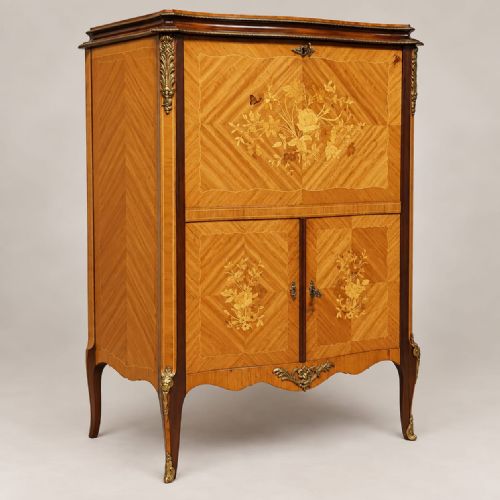
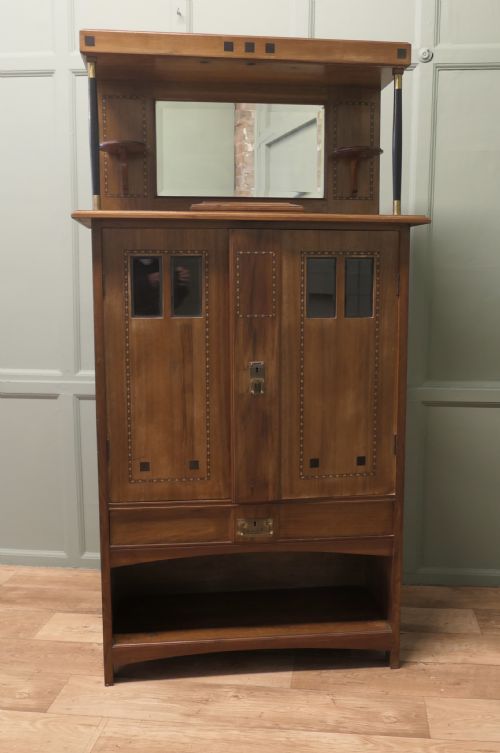
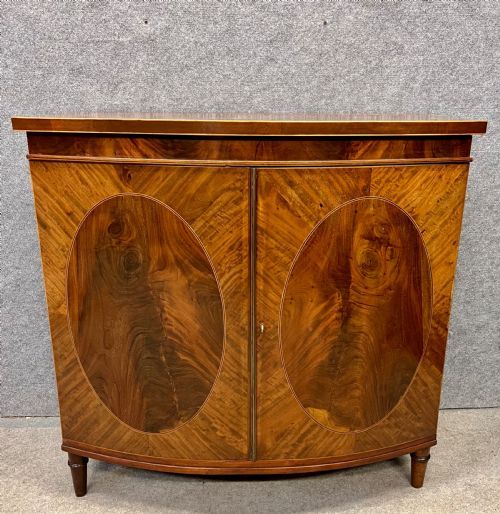
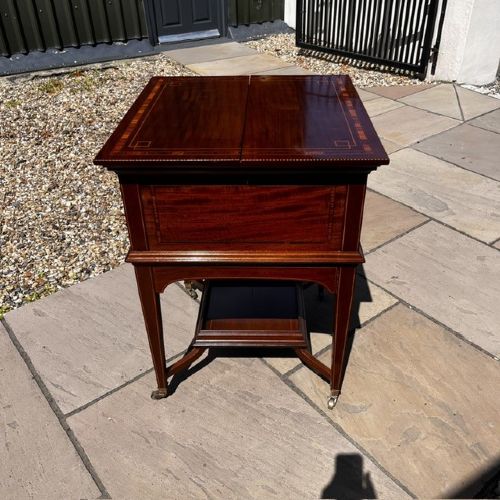
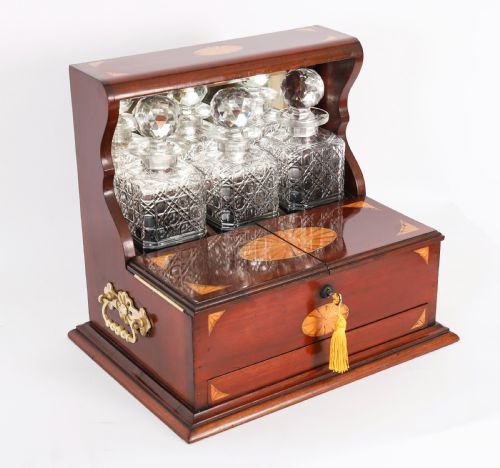
When you search for an edwardian inlaid drinks cabinet, you are looking at specialised furniture designed to house glassware, decanters, and bottles for entertaining guests. The pieces appearing here span from the Edwardian period itself into later decades, taking forms such as cocktail cabinets, drinks tables, and tantalus sets.
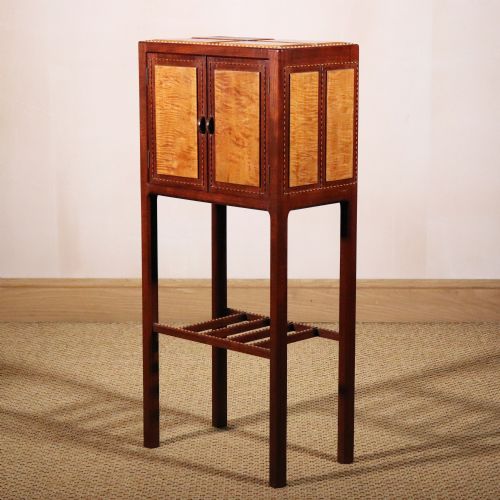
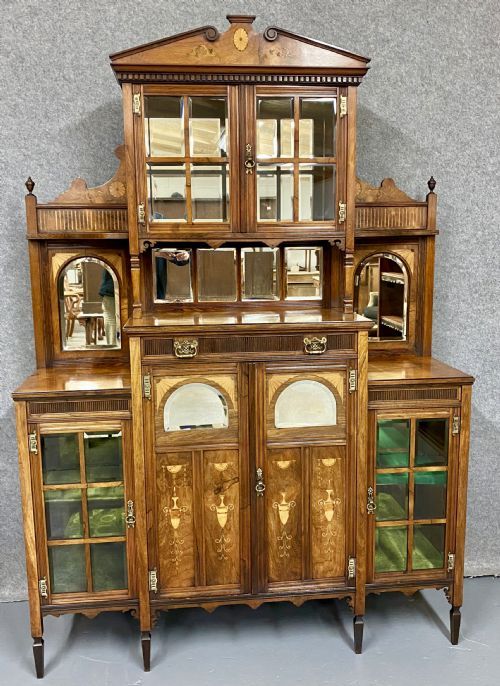
Mahogany and walnut form the primary carcasses, frequently accented with satinwood inlay and delicate stringing. Alongside traditional drinks cabinets, related forms like side cabinets, wine coolers, and tea trolleys provide alternative ways to serve refreshments.
Most examples originate from the early twentieth century, though the selection also encompasses nineteenth century work and later revivals. Buyers seeking this specific form will find everything from compact drinks tables to larger serpentine fronted cocktail cabinets.
How They Were Made
Cabinetmakers constructed these pieces using solid hardwoods like mahogany, walnut, and oak, often applying fine veneers to large surfaces. Satinwood inlay and marquetry created contrasting geometric or floral patterns across doors and tops.
Materials appearing across these pieces include mahogany, walnut, satinwood, oak, brass, and cut crystal glass.
What Varies In Quality
The refinement of the cabinetwork dictates the standing of each piece, from straightforward utility items to exhibition standard productions. Crisp execution of the marquetry and satinwood inlay marks out the finer examples in this category.
Fitted interiors with specialised storage compartments and original hardware elevate a piece above standard domestic furniture. The selection of timber veneers and the harmony of the overall proportions further distinguish finer workshops.
Whytock & Reid
The Edwardian Inlaid Drinks Cabinet Glossary
- Tantalus
- A locking wooden frame holding decanters to prevent unauthorized access to the contents. It typically includes a mechanism secured with a key.
- Serpentine
- A curved shape resembling a snake, featuring a convex centre flanked by concave curves. This contour appears on the fronts of select cabinets.
- Marquetry
- The art of applying pieces of veneer to a structure to form decorative designs. It differs from inlay by covering the entire surface rather than set recesses.
- Cellarette
- A chest or cabinet specifically designed to hold wine bottles. These often sit on stands or incorporate fitted interior partitions.
Edwardian Inlaid Drinks Cabinet: Frequently Asked Questions
What is an edwardian inlaid drinks cabinet?
It is a piece of furniture designed to store and serve beverages, typically constructed from mahogany or walnut with contrasting satinwood details.
These cabinets reflect the entertaining habits of the early twentieth century, incorporating fitted spaces for bottles and glassware.
How do I spot an original piece?
Examine the timber construction, interior fittings, and the integration of the inlay work. Genuine period examples display traditional joinery methods and materials consistent with early twentieth century production.
Look for authentic wear patterns on internal surfaces and original brass hardware.
Where were these cabinets used?
They belonged in the principal reception rooms or dining spaces of large homes where hosts entertained guests. Their primary function was keeping spirits and glassware close at hand during social gatherings.
Today, they serve a similar purpose in domestic living spaces as functional cocktail bars.
What styles accompany these cabinets?
While originating in the Edwardian era, related items draw upon Louis XV revival, Regency, and Arts and Crafts aesthetics. Cabinetmakers of the period frequently reinterpreted historical styles.
This variety means you might encounter pieces with serpentine fronts alongside simpler rectilinear forms.